EN
try amma today
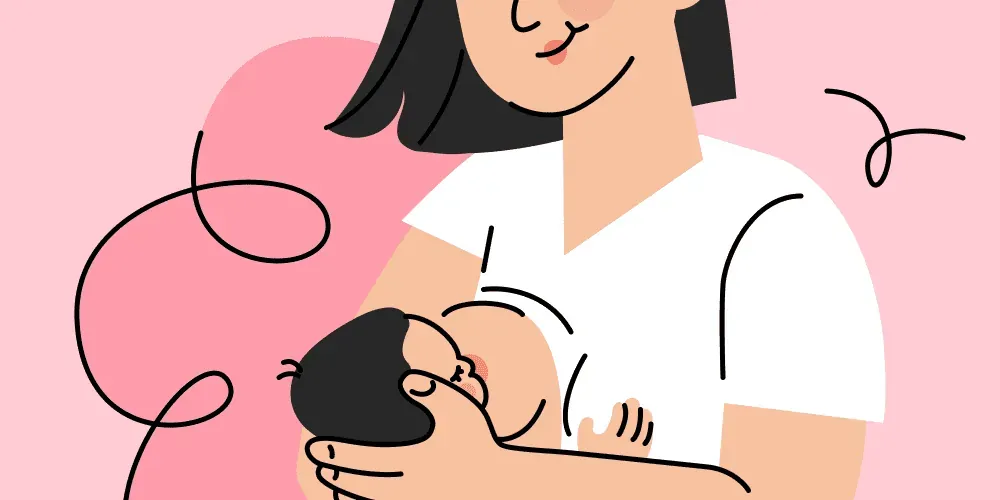
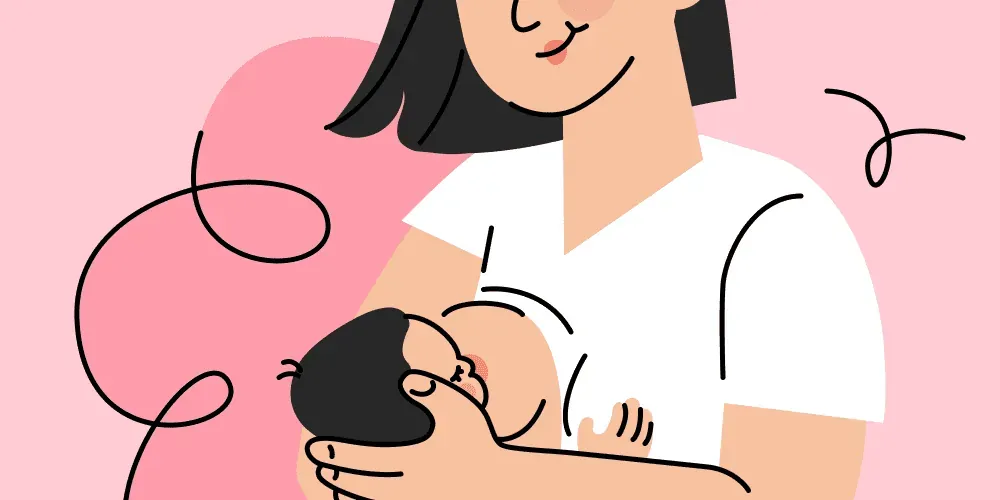
Breastfeeding while pregnant. Is it okay?
Getting Pregnant

Breastfeeding while pregnant. Is it okay?

2 min read
Key takeaways
2 min
  • Understand that exclusive breastfeeding provides contraceptive protection for only about 6 months, not throughout the entire nursing period.
  • Use additional contraception immediately if you're not exclusively breastfeeding, after 6 months of exclusive nursing, or once menstruation returns.
  • Continue breastfeeding during pregnancy if desired, as research shows no negative effects on maternal or fetal health in most cases.
  • Expect possible changes in milk production and taste during pregnancy, which may cause your nursing child to naturally wean.
  • Consult your healthcare provider if you have a complicated obstetric history, as breastfeeding while pregnant may increase miscarriage risk in these cases.

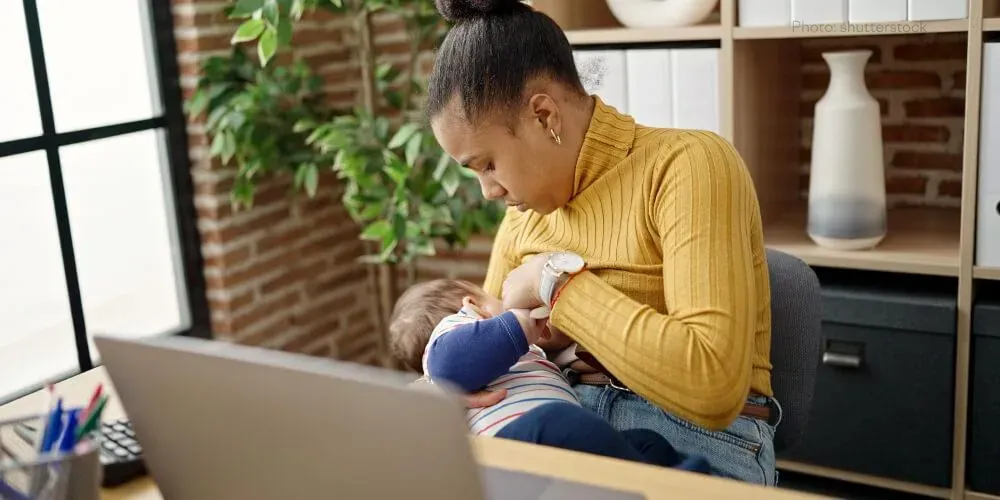
Yes, breastfeeding while pregnant is generally safe and does not harm the mother, nursing child, or unborn baby. However, pregnancy may affect milk production and taste, potentially leading to natural weaning of the older child.

amma app

Track your pregnancy in the app

Personalized content for your pregnancy week

Download App

Many believe that breastfeeding is a reliable method of contraception. But trusting in this belief may have a mother nursing one baby while pregnant with a new one. 

When, if ever, does breastfeeding protect against a new pregnancy?

Breastfeeding keeps the levels of the hormone prolactin high, and this can prevent a new pregnancy because it stops ovulation. No ovulation, no pregnancy. If a mother is breastfeeding exclusively, with no complementary formula, then she can expect this contraceptive effect to last for about six months. But if the child is on a mixed diet or is bottle fed with formula, then ovulation will resume much sooner [1].

Is it better to feed by the hour or on demand to maintain prolactin levels high enough for contraceptive effects?

The feeding schedule does not matter. Pregnancy is always possible after menstruation returns.

So, if you haven’t had a period, then you definitely can't get pregnant. Right?

Pregnancy is still possible even if you haven’t had your period because you will begin to ovulate about two weeks before menstruation starts again. Therefore, obstetricians and gynecologists recommend contraceptive protection in the following cases:

  • immediately after giving birth, if the mother does not breastfeed or combines it with formula-feeding 

  • after six months, if the mother breastfeeds the baby exclusively

  • If menstruation has resumed, regardless of the way the baby is fed

If I get pregnant, can I continue breastfeeding?

Most of the research on this topic focuses on pregnancy and shows that breastfeeding does not negatively affect the health of the mother or the unborn baby [2]. However, the effects on the nursing child have not been studied enough. Pregnancy can affect the amount of milk a mother produces, as well as its taste, which may lead the child to give up the breast. In any case, a vitamin and mineral supplement might be a good idea [3].


Will breastfeeding (nipple stimulation) increase the risk of miscarriage?

If a healthy nursing mother becomes pregnant, her risk of miscarrying is the same as anyone else’s. But if she has a complicated obstetric history or hormonal issues, then the chances of losing the pregnancy increase. The risk of miscarriage in women who are breastfeeding is believed to be lower if the nursing child is not breastfeeding exclusively [3].  
Frequently asked questions

Yes, breastfeeding while pregnant is generally safe for both mother and unborn baby according to research. However, pregnancy may affect milk production and taste, potentially leading to natural weaning.

Yes, you can get pregnant while breastfeeding. Exclusive breastfeeding provides contraceptive protection for about 6 months, but ovulation can resume before menstruation returns.

Breastfeeding during pregnancy does not increase miscarriage risk in healthy women. However, women with complicated obstetric histories or hormonal issues may have higher risks.

Exclusive breastfeeding can prevent pregnancy for approximately 6 months after birth. This protection decreases if you use formula supplements or once menstruation returns.

Yes, vitamin and mineral supplements are recommended when breastfeeding during pregnancy. This ensures adequate nutrition for both your nursing child and developing baby.

Medical Disclaimer

This article is for informational purposes only and is not a substitute for professional medical advice, diagnosis, or treatment. Always seek the advice of your physician or qualified health provider with any questions you may have regarding a medical condition.

Meet our medical experts

Medically reviewed content

Reviewed by healthcare professionals · Updated November 11, 2024

Track your pregnancy on the go

Rated 4.8417,594 reviews