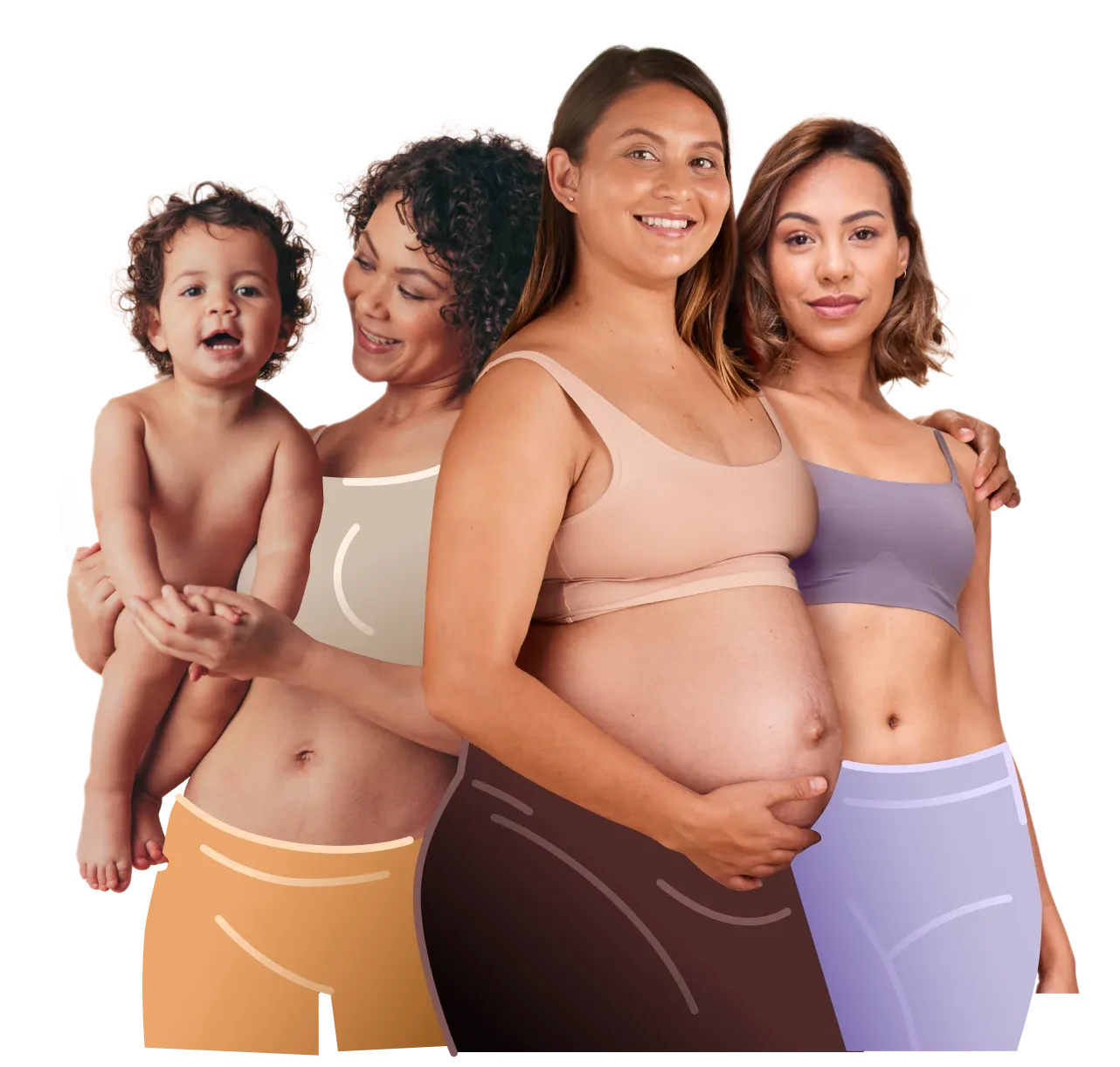

Fertility is the natural ability of a person to produce offspring. In the case of men, their role is limited to issues that affect conception, but female fertility is determined by three components: the ability to conceive, bear, and give birth to a healthy child. Fertility is a multifactorial issue that can be affected by many factors, here are some of the most common ones.
Which factors affect fertility?
Age. For a woman, age is the most important factor in terms of her chances of conceiving and giving birth to a healthy child. Over the years, the number and quality of eggs (oocytes) decreases. This process starts after 30 years of age and accelerates significantly after 35 [1]. That means that, biologically, the optimal time for conception is before the age of 30. The probability of successful conception at this age is about 20% with each cycle, but by the time a woman reaches 40, it drops to 5% [2].
Age also matters in men, who, after 40, tend to produce fewer healthy sperm than their younger counterparts. Older dads also have an increased risk of having children with birth defects due to DNA mutations in sperm [2].
The reproductive system. This factor is more related to female fertility, and many things are important: passable fallopian tubes, high-quality endometrium, a healthy uterus with a normal cavity and cervical canal, and healthy ovaries. Any abnormalities in this structure reduce the likelihood of conception. For example, if there is an obstruction in the fallopian tubes, sperm will be unable to reach the egg; it can also be difficult for an embryo to attach to the uterine cavity if there are issues with the endometrium. Problems with the reproductive organs can have various causes, such as congenital abnormalities of the uterus, endometriosis, polycystic ovary syndrome, untreated sexually transmitted infections (STIs), and abdominal/pelvic surgery [3].
In men, problems with the reproductive system are most often related to impaired potency of the seminal ducts (sperm is simply not ejected) or varicocele (a pathological expansion of the veins of the testicle and spermatic cord) [3].
Hormonal balance. A hormone imbalance in the female body can contribute to a disruption of the menstrual cycle and problems with ovulation. In men, abnormally low or high levels of certain hormones (especially testosterone) are associated with a decrease in the number of active spermatozoa, which can also hinder conception [3].
Lifestyle. Smoking, alcohol abuse, drug addiction, prolonged stress, and even excess weight can affect both female and male fertility. For example, BMI (body mass index) can be quite important. A healthy BMI is considered to be between 18.5 to 25 [4]. Women with a BMI above 30 may have difficulty conceiving because excess weight can cause the body to produce excess estrogen, which affects other hormone levels and may contribute to the suppression of ovulation [5]. If a woman does not ovulate, she can not become pregnant. On the other hand, a BMI below 18.5 can result in irregular cycles, missed periods, and issues with ovulation.
Weight can also be an issue for future dads. Men with a BMI above 30 tend to have a lower sperm count (where spermatozoa are sedentary or scarce) than those at a healthy weight [6].