EN
try amma today
What’s that aching?
Getting Pregnant

What’s that aching?

1 min readWeek 6
Key takeaways
1 min
  • Expect lower abdominal aches and stitching pains during your first trimester as normal signs of uterine stretching.
  • Monitor your symptoms carefully - aches without bleeding are typically harmless during healthy pregnancy.
  • Distinguish between normal growing pains and concerning symptoms that require medical attention.
  • Understand that uterine ligament stretching causes most first trimester abdominal discomfort.
  • Contact your healthcare provider if aches are accompanied by bleeding or severe cramping.

Lower abdominal aches and stitching pains during the first trimester are normal signs of a healthy pregnancy. These sensations result from uterine stretching and are typically harmless when not accompanied by bleeding or severe cramping.

amma app

Track your pregnancy in the app

Personalized content for your pregnancy week

Download App

What’s that aching?

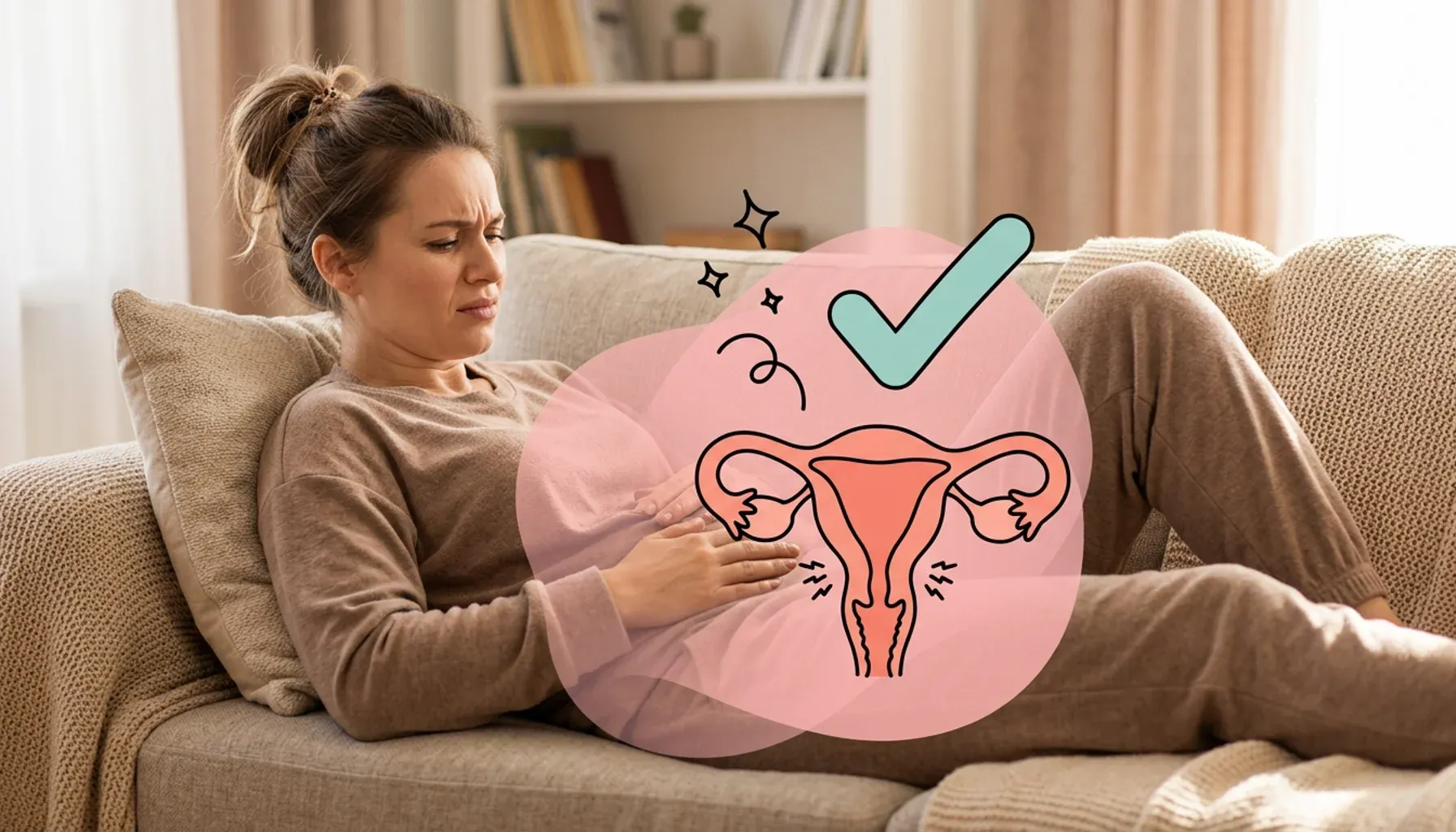
It is natural and normal for expectant mothers to experience aches or sudden stitching pains in the lower abdomen in the first trimester. These sensations are associated with sprains of the uterus. If there is no blood discharge, then there is no reason for concern [1].



Frequently asked questions

Yes, lower abdominal aches and stitching pains are completely normal during the first trimester. These sensations occur as your uterus grows and stretches to accommodate your developing baby.

Contact your doctor if aches are accompanied by bleeding, severe cramping, or persistent pain. Mild aches without bleeding are typically part of a healthy pregnancy.

Most first trimester abdominal pain is caused by uterine ligament stretching as your body adapts to pregnancy. This stretching creates the aching sensations many women experience.

Gentle stretching, warm baths, and changing positions frequently can help ease pregnancy aches. Always consult your healthcare provider before trying new remedies during pregnancy.

Mild cramping without bleeding is usually normal, especially in early pregnancy. However, severe or persistent cramping should always be evaluated by your healthcare provider.

Medical Disclaimer

This article is for informational purposes only and is not a substitute for professional medical advice, diagnosis, or treatment. Always seek the advice of your physician or qualified health provider with any questions you may have regarding a medical condition.

Meet our medical experts

Medically reviewed content

Reviewed by healthcare professionals · Updated June 5, 2025

This article is based on peer-reviewed research and trusted medical sources.

  1. Smith J. et al. Nausea and vomiting of pregnancy: Treatment and outcome. UpToDate.

Track your pregnancy on the go

Rated 4.8417,594 reviews