
While there are no specific dietary recommendations for women planning to become pregnant, there are general guidelines that can benefit your overall health. Here are a few foods that are excellent stapes in your diet, especially as you prepare to become pregnant and want to take care of your body.
Fish
Research has proven that eating certain fish rich in omega-3 fatty acids can increase your chances of conception [1]. These fatty acids also benefit baby’s brain development when eaten as part of your pregnancy diet [2, 3].
While you can enjoy both saltwater and sweetwater fish, not all fish are recommended across the board. Swordfish, marlin, and shark are best avoided, as they contain large amounts of mercury. Tuna should also be limited to two servings per week [4].
Vegetables and greens
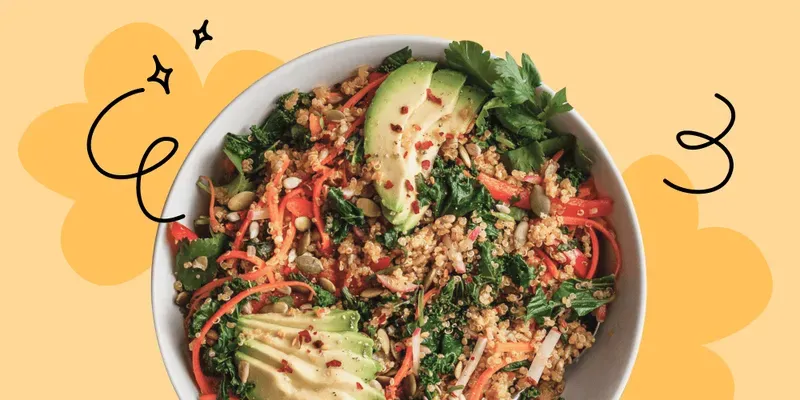
These highly nutritious foods are recommended in unlimited quantities. Spinach, broccoli, Brussels sprouts, avocado, and romaine lettuce are especially recommended for their high folic acid content. Folic acid improves fertility and lowers the risk of baby developing neurological pathologies [3, 5, 6].
Beef, nuts, and legumes
Beef, beans, chickpeas, lentils, walnuts, cashews, and pistachios are all high in iron [7]. This trace mineral is essential for the production of red blood cells, which carry oxygen. During pregnancy, you need more iron than usual, since your body is supplying oxygen not only to your organs and tissues, but to baby’s as well [4]. In addition, research shows that consuming foods rich in iron reduces the risk of anovulation (when ovaries do not release an egg) [8].
There are two important details to note. Firstly, iron is best absorbed by your body when you also consume enough vitamin C. Eat your beef with broccoli [4], or dress your lentils with lemon juice. Secondly, try not to drink tea with your iron-rich foods, as its polyphenols interfere with the body’s absorption of iron [9].
Superfood diet idea: Mediterranean
A Mediterranean diet covers many of the foods mentioned above. It includes lots of fruit and vegetables, fish, nuts, seeds, and healthy oils such as olive and avocado. It is generally low in animal fats. It also includes healthy whole grains, which do not spike your blood sugar like white flour and refined carbohydrates do [10]. Not only is a Mediterranean diet recommended for general health, but it is proven to increase the chance of conception [3].
Foods to avoid
Avoid consuming fast food, canned meats and other highly processed foods, sweets, and sodas. Studies show that foods high in trans fats and sugar decrease fertility [3].
Of course, please don’t read too much into its effects on fertility; eating these foods will not prevent pregnancy [3] and should not be thought of as contraception! And anyway, doctors and nutritionists discourage anyone - male or female, pregnant or not - from eating large amounts of these foods, as they lead to the development of diabetes, obesity, and other chronic conditions [11, 12].