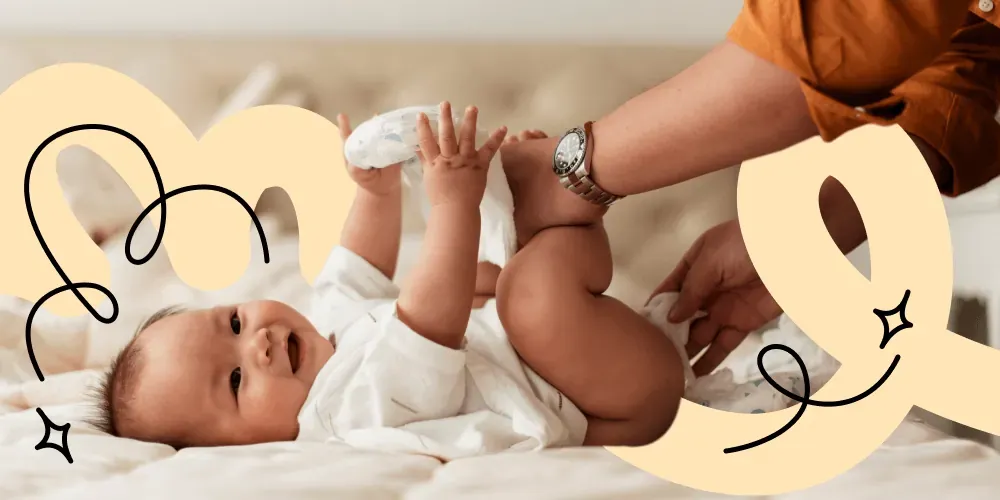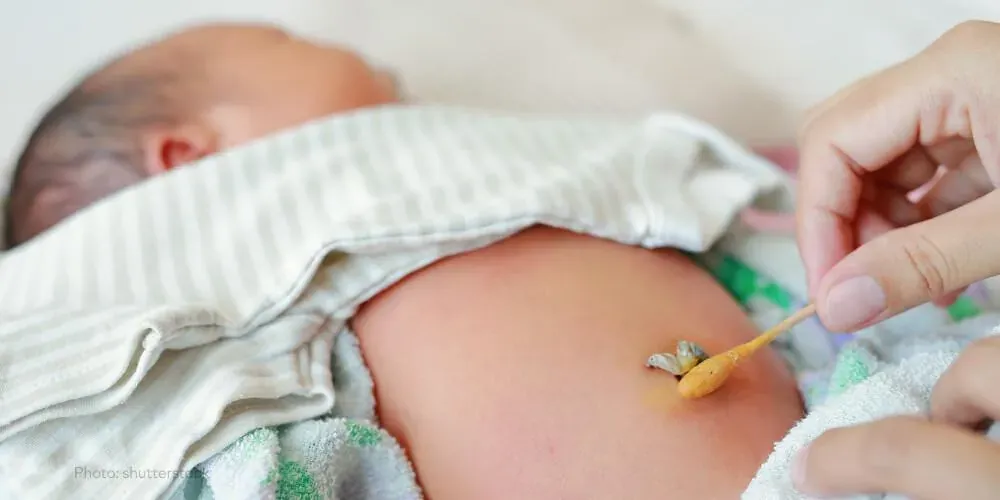

After a baby is born and their umbilical cord is cut, they have a temporary “stump” where their belly button will eventually be. It only takes a few days for this stump to dry and fall off, and the area should heal easily with proper care.
Two essentials to keep in mind
There are only two must-dos: keep the stump dry and treat it with an antiseptic if it looks infected. The first must-do is easy; the second is a little more complicated because there’s disagreement on which is the best antiseptic to use. Some professionals and families swear by good old rubbing alcohol, while others prefer chlorhexidine or iodine. Some go for topical antibiotics.
The World Health Organization (WHO) recommends simply keeping the stump dry and clean, but only if the cord was cut in a sterile environment and the baby has been in safe, clean conditions since [1].
Why doesn’t the WHO recommend antiseptic treatments for the stump?
Research shows that under normal sanitary conditions (and the absence of infection), there are no benefits to using disinfectant treatments on the umbilical stump. In fact, using them extends the time it takes for the stump to fall off by a couple of days [2].
What are the basics of dry care?
Keep the umbilical stump clean. If you see that you need to clean it, use soap and water and blot it dry with a paper towel, tissue, or soft, clean cloth.
Leave it uncovered (not covered by the diaper or clothing) to promote fast drying. It’ll fall off faster this way. Avoid tight swaddling, as it can irritate the area as well as prevent drying.
Treat it with an antiseptic such as chlorhexidine if you see early signs of infection, like redness [3].
What is a normal time frame for the stump to fall off?
It should dry up and fall off on its own 5-15 days after the baby is born [4]. Then it takes another week or two for the navel area to fully heal.
What are the risks of improper care?
The belly button provides direct access to the baby’s bloodstream, so a bacterial infection here (omphalitis) can quickly become life-threatening [2]. For this reason, maintaining a dry and clean environment is crucial to getting the stump to fall off as soon as possible.
When should I see a doctor?
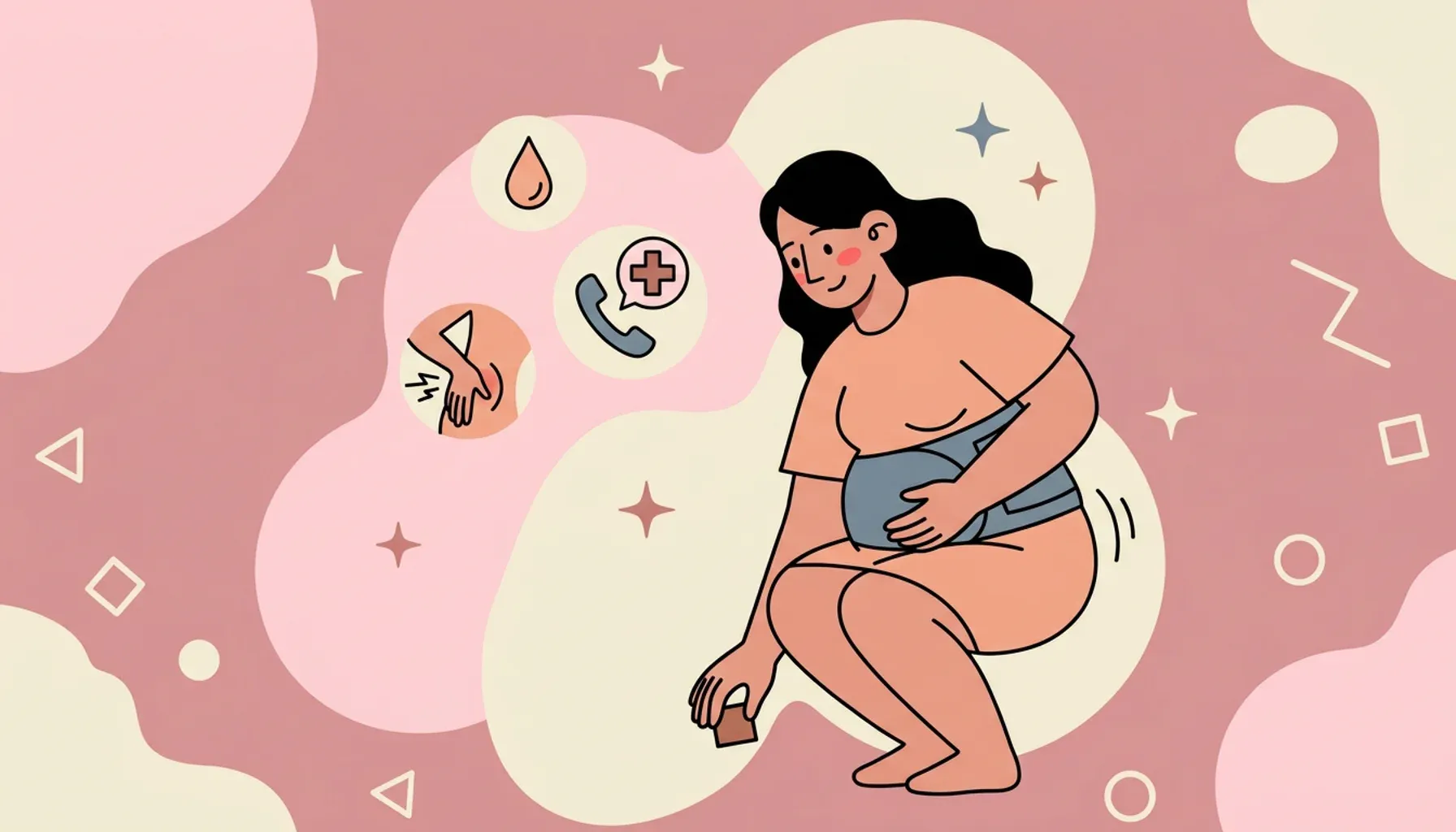
Call your doctor if:
the skin around the belly button is red and swollen;
the stump isn’t drying, shrinking, or darkening a week after baby’s birth;
the stump hasn’t dried up and fallen off after two weeks;
the stump has disappeared and you see oozing, crusts, or scabs;
the navel area smells bad.
Photo: shutterstock