EN
try amma today
Is it normal for a baby to drool and blow bubbles?
New Parent

Is it normal for a baby to drool and blow bubbles?

1 min read
Key takeaways
1 min
  • Expect normal drooling and bubble-blowing between 3-12 months as babies develop mouth muscle control and experience teething.
  • Watch for excessive drooling in newborns under 3 months, as this may indicate swallowing difficulties requiring medical attention.
  • Consult your pediatrician if drooling persists after 12 months, when children typically gain better saliva control.
  • Look for accompanying symptoms - if your baby is happy, eating well, and developing normally, bubble-blowing is harmless.
  • Understand that increased saliva production during teething (3-6 months) may actually help reduce discomfort naturally.

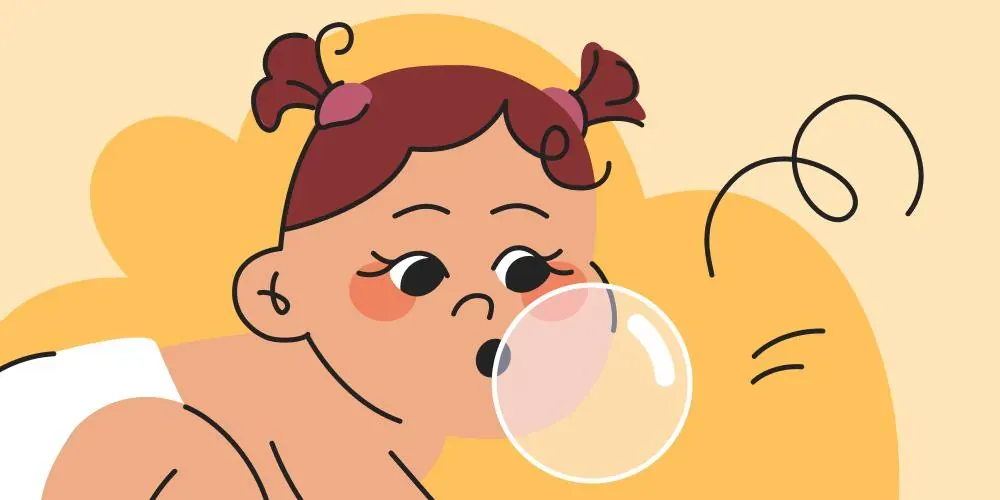
Yes, it's completely normal for babies aged 3 months to 1 year to drool and blow bubbles. This occurs as they develop mouth muscle control and experience increased saliva production during teething, typically resolving by 12 months.

amma app

Track your pregnancy in the app

Personalized content for your pregnancy week

Download App

If your child is between three months and one year old, then it is completely normal for them to drool and blow bubbles!

In younger infants, excessive drooling can signal difficulties with swallowing [1]. In older children (after one year), they usually have enough control over their mouth muscles to keep their saliva from spilling out. If not, talk to your doctor to find the possible cause [2].

However, between 3-6 months (when the first teeth are coming in), children do have increased saliva production and haven't figured out how to manage it. This is normal and some experts believe that increased drooling helps reduce discomfort during teething [3].

If blowing bubbles is the only symptom and your child seems to feel well, is smiling, cooing, and eating adequately, then there's nothing to worry about.



Frequently asked questions

Babies typically start drooling and blowing bubbles around 3 months of age. This continues until about 12 months when they develop better control over their mouth muscles and saliva production.

Contact your pediatrician if your newborn under 3 months drools excessively, or if drooling continues past 12 months. Also seek medical advice if drooling accompanies other concerning symptoms like difficulty eating or seeming unwell.

Babies blow bubbles because they're learning to control their mouth muscles and manage increased saliva production. It's a normal part of oral development and often occurs during the teething phase between 3-6 months.

Yes, some experts believe that increased saliva production and drooling during teething may help reduce discomfort. The extra saliva can provide natural relief for sore, emerging teeth and gums.

Medical Disclaimer

This article is for informational purposes only and is not a substitute for professional medical advice, diagnosis, or treatment. Always seek the advice of your physician or qualified health provider with any questions you may have regarding a medical condition.

Meet our medical experts

Medically reviewed content

Reviewed by healthcare professionals · Updated September 7, 2024

Track your pregnancy on the go

Rated 4.8417,594 reviews