EN
try amma today
Is it okay for nursing mothers to drink coffee?
New Parent

Is it okay for nursing mothers to drink coffee?

2 min read
Key takeaways
2 min
  • Limit caffeine intake to 200 mg daily while breastfeeding, which equals about two cups of coffee.
  • Monitor your baby for irritability, restlessness, or sleep troubles if consuming caffeine regularly.
  • Avoid or drastically reduce coffee consumption if nursing newborns under one month or premature babies.
  • Remember that caffeine is found in tea, energy drinks, cola, and chocolate - count all sources toward your daily limit.
  • Consult your doctor if your baby shows behavioral changes after you consume caffeinated beverages.

Yes, nursing mothers can safely drink coffee in moderation. Limit caffeine intake to 200 mg daily (about two cups of coffee) to avoid affecting your baby through breast milk. Newborns and premature babies are more sensitive to caffeine.

amma app

Track your pregnancy in the app

Personalized content for your pregnancy week

Download App

For many, a cup of fragrant coffee in the morning is a favorite way to perk up for the day ahead. But is it safe to have coffee if you are breastfeeding?  

How many cups of coffee can I enjoy if I'm breastfeeding?

Doctors recommend nursing mothers limit caffeine intake to 200 mg per day [1, 2]. This amounts to about two cups of instant or brewed coffee (200-230 ml or 8 oz each) [3].

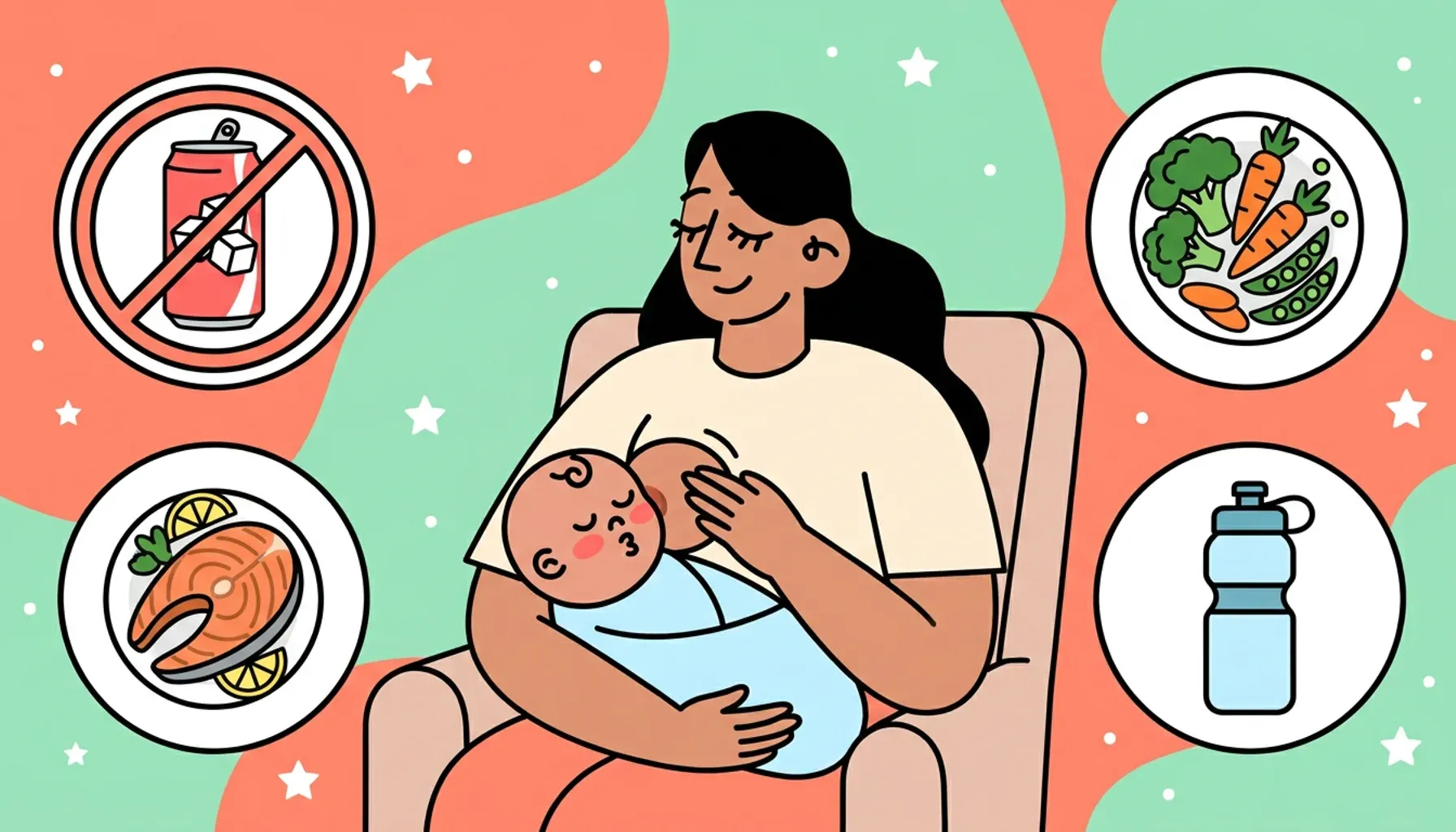
This level of caffeine poses no risk to a nursing baby. However, it's important to remember that caffeine is found in other sources as well. 

Here's what 200 mg of caffeine looks like in different foods and drinks:

  • two cups of black tea;

  • two cans of energy drink (250 ml or 8.4 oz each);

  • five cans of Cola (330 ml or 11 oz each);

  • 400 g or 14 oz of dark chocolate [3, 4].

 Is caffeine always okay for babies?

If you drink coffee within the recommended amounts, the caffeine in your breast milk is minimal, and most babies won't react to it.

However, if you drink ten or more cups a day, your baby may become moody, irritable, restless, or have trouble sleeping [5, 6]. Too much caffeine can also lower the iron in breast milk, which raises the risk of iron deficiency anemia [6].

Stick to the recommended caffeine limits. If your baby shows changes in behavior after you have caffeine, consider avoiding caffeinated drinks and foods. Symptoms should pass quickly [6].

Are there any situations in which nursing mothers should not drink coffee?

Yes, newborns (up to one month old) and premature babies are usually very sensitive to caffeine [5]. In these cases, a nursing mother should check with her doctor about having coffee or consider giving it up entirely for a while.
Frequently asked questions

Nursing mothers can safely consume up to 200 mg of caffeine daily, equivalent to about two cups of coffee. This amount poses no risk to most babies and maintains minimal caffeine levels in breast milk.

Yes, excessive caffeine can make babies irritable, restless, and have trouble sleeping. It can also reduce iron levels in breast milk, potentially leading to iron deficiency anemia in babies.

Newborns under one month and premature babies are very sensitive to caffeine. Nursing mothers should consult their doctor about coffee consumption or consider avoiding it temporarily during this period.

Besides coffee, limit black tea, energy drinks, cola, and dark chocolate. Two cups of black tea, two energy drinks, or five cans of cola each contain about 200 mg of caffeine.

Medical Disclaimer

This article is for informational purposes only and is not a substitute for professional medical advice, diagnosis, or treatment. Always seek the advice of your physician or qualified health provider with any questions you may have regarding a medical condition.

Meet our medical experts

Medically reviewed content

Reviewed by healthcare professionals · Updated September 3, 2024

Track your pregnancy on the go

Rated 4.8417,594 reviews