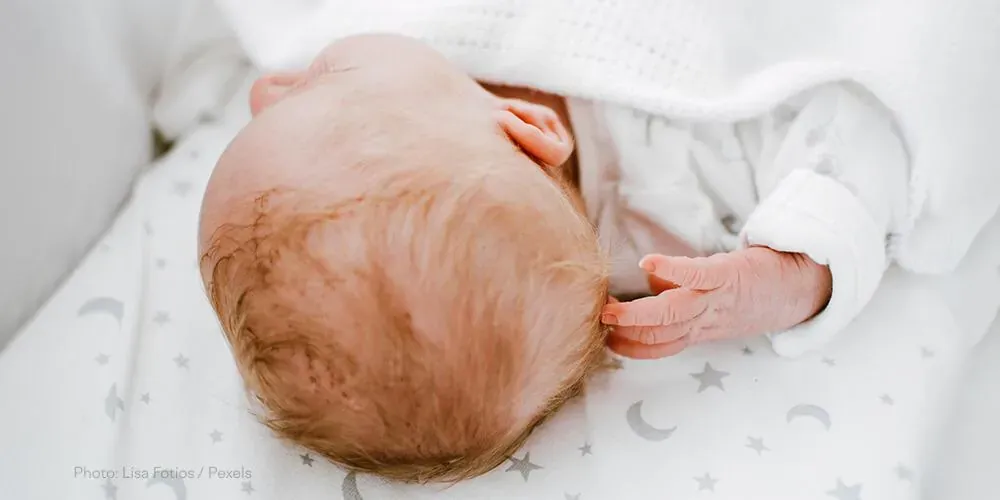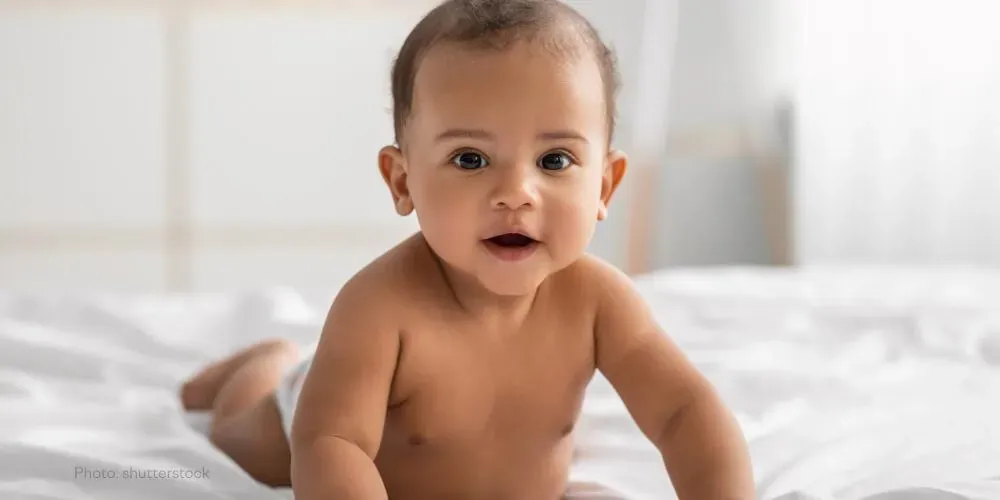

During the first year of life, a baby’s main task is learning to control their body. What have they mastered by two or three months?
Reflexes: what a baby can do from birth
From birth, babies can move in various ways, but these movements are automatic. They are part of the brain's hardwiring and don't need to be learned.
The fencing reflex
For example, if you turn your baby's head to the side, they will straighten their leg and arm on that side and bend their arm and leg on the opposite side. This posture is similar to that of a fencer [1].
There are other reflexes too. When you tilt your baby's head forward, they will clench their fists and tighten their foot muscles. If you place your baby on their stomach, they will turn their head to the side [1].
The stepping reflex
To test another reflex, hold your baby so their feet touch the floor or a surface and tilt their torso forward slightly. You’ll see their legs begin to "walk" [2].
Of course, this isn’t real walking; they are still far from learning to walk on their own.
New moves: what the baby learns
Reflexes gradually fade: some disappear in the second and third months, others by six months or a year. At the same time, the baby learns more and more movements.
What can a 3-month-old baby do? [3]
Raises head and chest when lying on stomach
Supports upper body with arms when lying on stomach
Stretches legs out and kicks when lying on stomach or back
Opens and shuts hands
Pushes down on legs when feet are placed on a firm surface
Brings hand to mouth
Takes swipes at dangling objects with hands
Grasps and shakes hand toys
All these skills are signs that your baby is developing well. By the age of five to seven months, your baby will master many more new things.
For example, they will learn to roll over onto their stomach and pull their legs towards their hands and mouth [1].
Photo: shutterstock