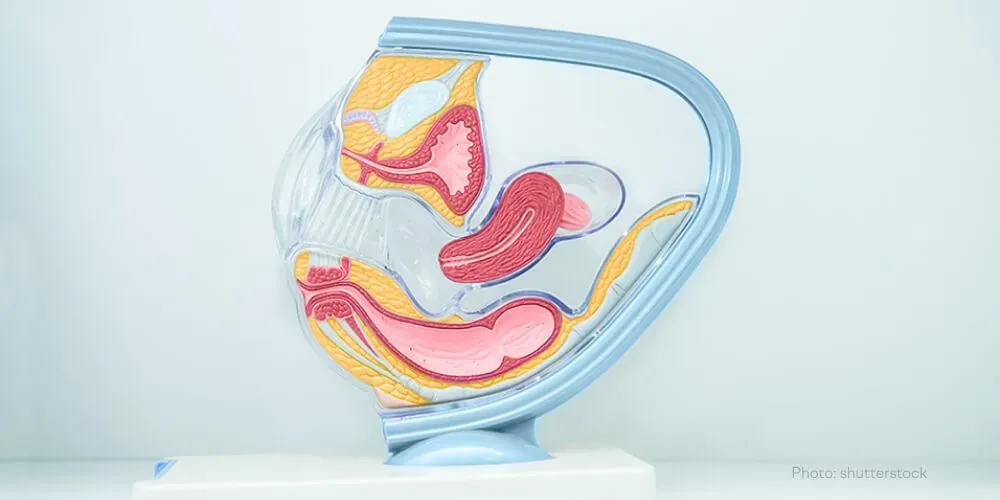

Prolapse is when one or more of the pelvic organs, like the uterus, bowel, or bladder, moves out of place and into the vagina. Here's what you need to know if you think you have a prolapse.
This condition is more common than you might expect
There are no exact statistics on prolapse because women are too embarrassed to discuss these issues with a doctor. As a result, many go untreated. After giving birth, at least 24% of women report experiencing "embarrassing" symptoms [1].
However, many researchers believe that the problem is much more common and may affect up to 50% of women after childbirth [2]. This means it is time to end the stigma!
The symptoms are different
Stress urinary incontinence is one of the most common symptoms of prolapse. However, problems with bowel movements and sex are also reasons to consult a gynecologist and seek a referral to a urologist.
There are three groups of symptoms that doctors use [3]:
I. Urination:
incontinence (including small, drop-by-drop leakage)
difficulty starting urination delayed urination (even with urge), the need for straining
weak urine stream
burning sensation in the urethra
feeling of incomplete bladder emptying
II. Defecation:
constipation
stool leakage, uncontrollable urge
feeling of being unable to empty the bowel
the need to use your fingers to assist in the passing of stool.
III. Sex:
the vagina is too wide (there are squelching sounds during sex)
pain during sexual intercourse
difficulties of penetration (including tampons or menstrual cups).
You can do without surgery
Women frequently remain silent about problems not only out of shame, but also because they are afraid of surgery. In fact, surgery is the last option for prolapse. Surgery is only prescribed in 14-19% of the cases [2].
You are able to ease the pain
If your symptoms are mild, Kegel exercises are an excellent option. You can also alleviate discomfort by drinking plenty of water and eating fiber-rich foods [4].
With severe symptoms, pessaries are used to support and hold the pelvic organs in place. They alleviate symptoms related to urination and sex. Unfortunately, they are ineffective for problems with defecation [3]. In this case, surgery may be the last resort.
Photo: shutterstock