
Time to see a gynecologist
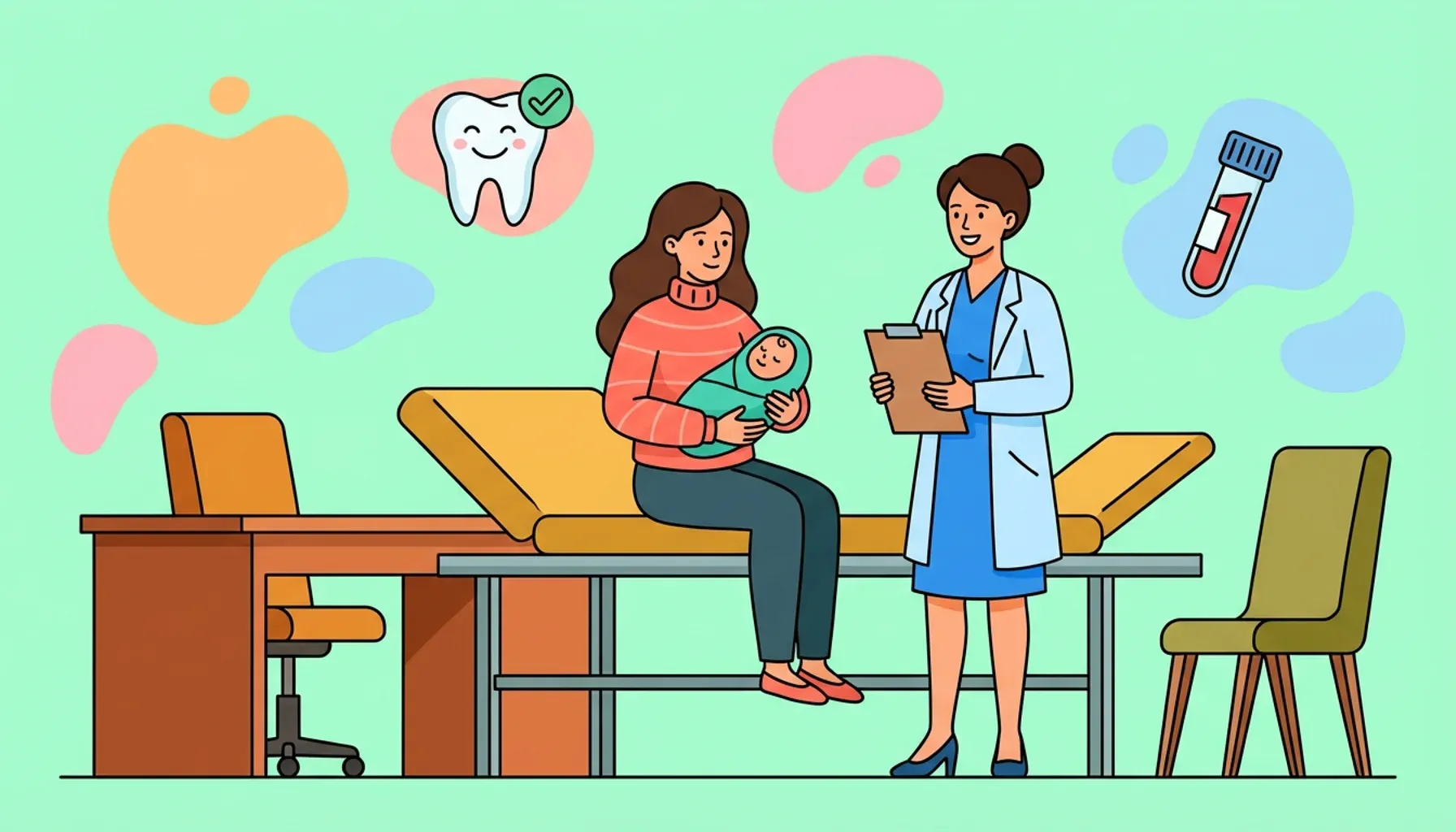
Officially, the postpartum period is coming to an end, and it’s time to visit the gynecologist again. Based on the results of the examination, she will be able to assess your recovery, see how both your body and emotions are doing and make recommendations. [1].
For women ready to return to sexual activity, it’s time to discuss contraception with your doctor if you haven’t already [2]. This is especially true if you are not nursing or starting to return to work this month and it will be difficult to nurse on demand. Without regular breastfeeding sessions, lactation will cease to be a reliable contraceptive; menstruation may begin [3].
Not having your period doesn't mean you can't get pregnant. Ovulation occurs earlier than menstruation, so a new pregnancy may come as a surprise. Many little brothers and sisters are conceived in this way.
During the postpartum period, many mothers manage to get rid of some of the pounds gained during pregnancy. But your weight and BMI are almost certainly higher now than they were before giving birth [4]. Remember, it took nine months to gain the weight, so it’s not going to disappear overnight.
By the end of the sixth postpartum week, almost 12% of women complain of urinary incontinence [5]. How many may not discuss this issue because they are too embarrassed, so the real number of women who experience incontinence is difficult to assess. Research shows that most women who experience this issue at six weeks, continue to experience it even a year later. However, the frequency of leaks decreases: if at six weeks there were two or three episodes per day, after a year it may only be about five per week [5].
It would be good to discuss all these questions with your doctor and outline a plan of action.