EN
try amma today
Vaccinations: how to prepare your baby
New Parent

Vaccinations: how to prepare your baby

2 min read
Key takeaways
2 min
  • Breastfeed during or immediately after shots to distract your baby and naturally reduce pain levels.
  • Ask your pediatrician about cooling or anesthetic gels that can be applied to injection sites beforehand.
  • Avoid giving antihistamines or fever reducers before vaccinations unless specifically directed by your doctor.
  • Continue normal routines after vaccination including feeding, playing, and bathing your baby as usual.
  • Contact your doctor immediately if you notice any unexpected reactions beyond typical redness or mild fever.

To prepare your baby for vaccinations, plan to breastfeed during or after shots for natural pain relief, ask about anesthetic gel for injection sites, avoid pre-vaccination medications unless directed, and maintain normal routines afterward while monitoring for reactions.

amma app

Track your pregnancy in the app

Personalized content for your pregnancy week

Download App

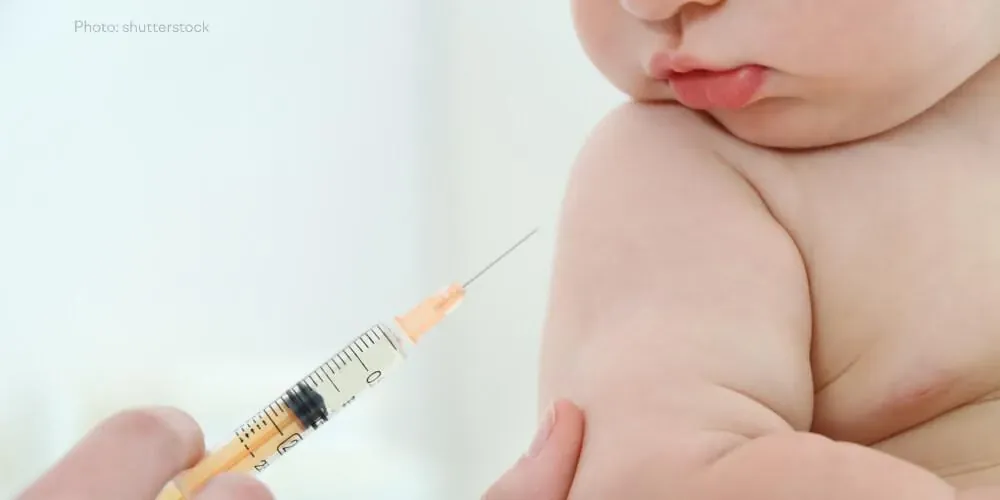
Vaccinations can be stressful for babies, but there are ways to ease their discomfort. 

According to the CDC, babies at two and four months will receive vaccines for Rotavirus, Haemophilus influenzae type b, Pneumococcal conjugate, Inactivated poliovirus, and DPT (diphtheria, tetanus, & acellular pertussis) [1]. Since babies feel pain more intensely than adults [2], here’s how you can help them through it.

 Easing the pain

Doctors recommend keeping your baby at the breast during shots, or nursing immediately afterward [3]. This distracts baby and reduces pain. You can also ask your doctor about using a cooling or anesthetic gel on the injection site beforehand.

Vaccination during illness

According to the CDC, vaccinations are allowed even if your baby has a runny nose, mild illness, or is taking antibiotics, as long as their temperature is below 100.4°F [4].

Pre-vaccination medications

Do not give your baby antihistamines or fever reducers before the vaccination [3].

 Multiple vaccines in one day

Yes, multiple vaccines can be given on the same day. Many vaccines are combined, such as DPT, which includes three vaccines in one. This reduces the number of injections your baby needs [5].

Post-vaccination care

Your pediatrician will provide information sheets about each vaccine. Review them and discuss with your doctor what to do in case of reactions like redness, swelling, or a slight fever. If you notice any unexpected reactions, contact your doctor immediately [3].

Otherwise, continue with your normal routine—feed, play, and bathe your baby as usual.

Photo: shutterstock


Frequently asked questions

Yes, according to the CDC, babies can receive vaccinations even with mild illness, runny nose, or while taking antibiotics. The only restriction is if their temperature is above 100.4°F.

Keep your baby at the breast during shots or nurse immediately afterward. You can also ask your doctor about using cooling or anesthetic gel on the injection site before the vaccination.

Yes, multiple vaccines can be safely given on the same day. Many vaccines are combined like DPT, which actually reduces the total number of injections your baby needs.

No, do not give your baby antihistamines or fever reducers before vaccination unless specifically instructed by your pediatrician. Wait until after if your baby develops symptoms.

Continue your normal routine including feeding, playing, and bathing. Monitor for typical reactions like redness or mild fever, and contact your doctor if you notice any unexpected symptoms.

Medical Disclaimer

This article is for informational purposes only and is not a substitute for professional medical advice, diagnosis, or treatment. Always seek the advice of your physician or qualified health provider with any questions you may have regarding a medical condition.

Meet our medical experts

Medically reviewed content

Reviewed by healthcare professionals · Updated September 3, 2024

Track your pregnancy on the go

Rated 4.8417,594 reviews