EN
try amma today
What to do to make your baby smile more
New Parent

What to do to make your baby smile more

2 min read
Key takeaways
2 min
  • Gently stroke your baby's feet, belly, or other areas to trigger physical pleasure and natural smiles.
  • Make eye contact frequently and smile at your baby while making silly faces to encourage social smiles.
  • Sing songs, dance, or make animal sounds to entertain your baby and create joyful moments together.
  • Watch for overstimulation signs and stop activities if your baby becomes too excited or starts crying.
  • Use these bonding activities consistently to strengthen your emotional connection with your baby.

To make your baby smile more, try gentle stroking, maintain eye contact while making faces, sing or dance for entertainment, and make silly animal sounds. These activities provide sensory stimulation and social interaction that naturally encourage baby smiles.

amma app

Track your pregnancy in the app

Personalized content for your pregnancy week

Download App

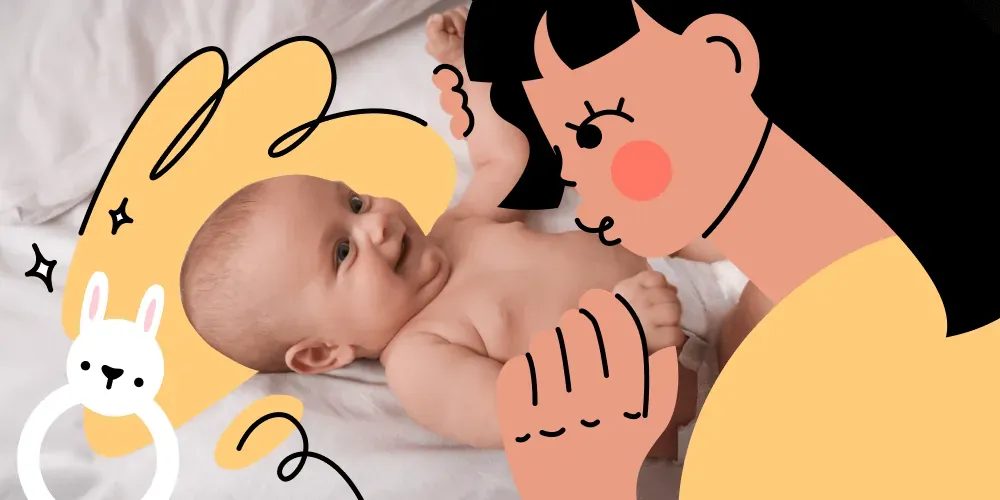
A baby's smile is a source of pure joy for parents! Want to see it more often? Here's what you can do.

Gently stroke your baby

A baby’s first smiles usually arise from physical pleasure [1]. For example, the baby may be amused when you rock them on your knee or stroke their foot. You can blow on their belly button or tickle their stomach. Just don't overdo the tickling; this type of laughter is a reflex, and the baby may not enjoy it. If you see that the baby is excessively excited by the tickling, stop.

Look into your baby's eyes

Catch your baby's gaze more often, smile at them, and make faces. Don't be afraid to look silly. What you're doing is very beneficial for the baby's mental development [2] and increases the chances that they will reward you with a smile.

Sing and dance

Children enjoy music and dancing very much, as they offer a whole range of sensations. If the baby is amused, the result will likely be a big smile on their face! And in the long run, a stronger emotional bond with their parents [3].

If you don't trust your singing you can try making animal sounds, like crowing like a rooster or roaring like a lion. Your baby will probably love it! But again, don't overdo it! Children at this age are unable to regulate their emotions and may become overly excited or cry.

Frequently asked questions

Babies typically begin social smiling between 6-8 weeks old. Early smiles before this age are usually reflexive responses to physical comfort or pleasure.

Try gentle stroking, making eye contact with silly faces, singing or dancing, and making animal sounds. These activities provide sensory stimulation that often triggers baby smiles.

Every baby develops at their own pace. If your baby is over 8 weeks and rarely smiles, consult your pediatrician to rule out any developmental concerns.

Light tickling can cause reflexive laughter, but babies may not actually enjoy it. Watch for signs of overstimulation and stop if your baby seems distressed.

Encouraging smiles through eye contact and interaction promotes mental development and strengthens the emotional bond between parent and child. These early connections are crucial for healthy development.

Medical Disclaimer

This article is for informational purposes only and is not a substitute for professional medical advice, diagnosis, or treatment. Always seek the advice of your physician or qualified health provider with any questions you may have regarding a medical condition.

Meet our medical experts

Medically reviewed content

Reviewed by healthcare professionals · Updated September 6, 2024

Track your pregnancy on the go

Rated 4.8417,594 reviews