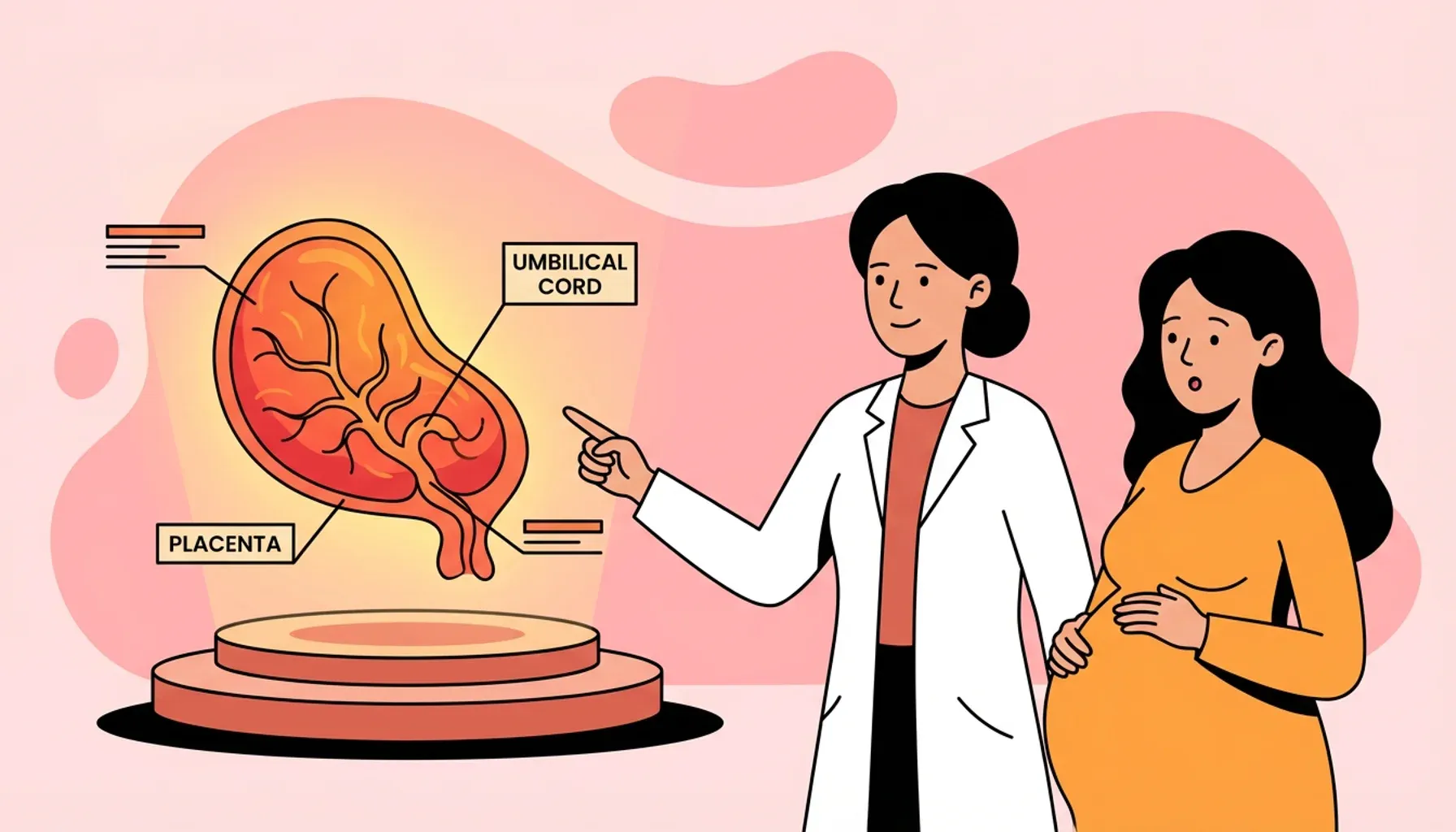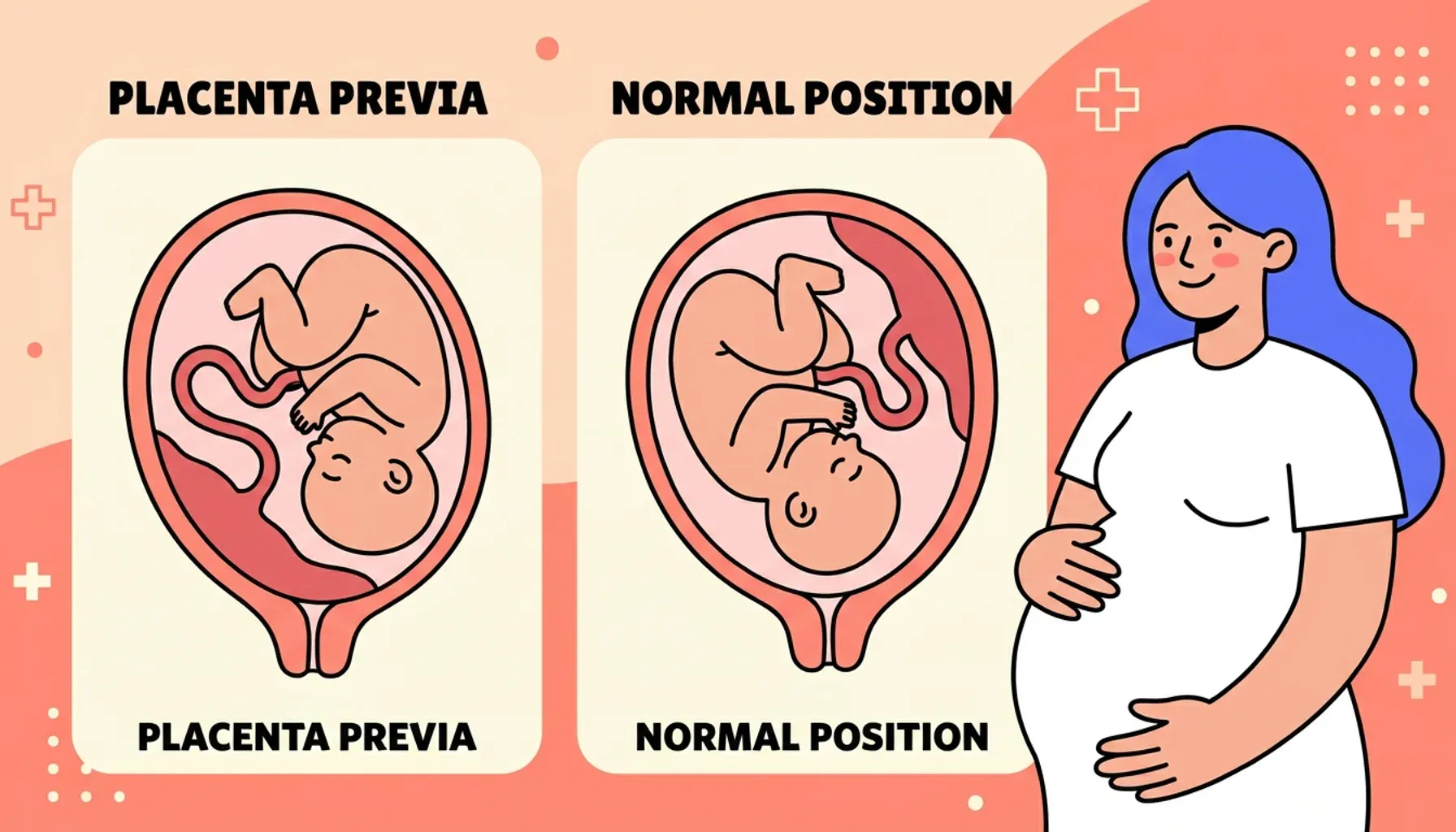

The diagnosis "aging of the placenta" was widely used in the 1990s and early 2000s, and it caused concern among doctors and expectant mothers. The term has been replaced with “premature maturation” or “dysfunction” of the placenta. By whatever name you use, this is a condition when the placenta fails to perform some of its functions before the baby is ready to be born.
How do doctors determine aging of the placenta?
Signs of aging are most often found on ultrasound in the third trimester. These ultrasounds are usually only prescribed for women at risk during weeks 30–34. As with any organ, the signs of aging are very diverse. Most often doctors may note thrombosis and vascular calcification. Sometimes there is premature cell death, dehydration, thinning (and, less often, thickening) of the placenta [1]. The production of hormones is also disrupted [2].
In general, aging placenta are normal. After all, you only need this organ for the duration of the pregnancy. But if the signs of aging appear long before the due date, then it is considered abnormal.
When might a doctor see signs of an aging placenta?
Twenty weeks is considered a critical point in the management of pregnancy. After this point, if any diseases develop they are labeled "gestational," meaning associated with pregnancy. These diseases include gestational diabetes, gestational hypertension, gestational pyelonephritis and preeclampsia. There is a theory linking the development of all these complications with premature aging of the placenta [3]. That is, if in the 20th week the placenta has reached the first stage of maturity, this is already a cause for concern.
What are the stages of maturity of the placenta?
This is a conditional graph of changes that makes it possible to understand whether the state of the placenta corresponds to the gestational age. On average, the placenta normally reaches:
the first degree of maturity by the 31st week;
second degree by the 36th week;
third degree by the 38th week [4].
Why is early aging of the placenta dangerous for baby?
The placenta is the connecting organ between mom and baby. Thanks to the placenta, a baby receives oxygen and nutrients. If a significant part of the vessels of the placenta is blocked by thrombi or calcifications, then the supply is disturbed, which can lead to slowing of intrauterine growth [5].
Due to a lack of nutrition, babies are born prematurely, and due to oxygen deprivation, serious brain damage is possible. Most cases of cerebral palsy are associated with a malfunction of the placenta [1].
What should I do with this diagnosis? Is it being treated?
Aging is a one-way process and cannot be reversed. But with aging of the placenta, things are about the same as with normal aging: you can delay or compensate for the diseases associated with it. Therefore, if a problem is identified, then doctors will closely monitor both mother and baby [1, 3]. It is important to keep blood pressure, blood sugar levels under control and monitor urine protein.