
How to ensure you are eating right
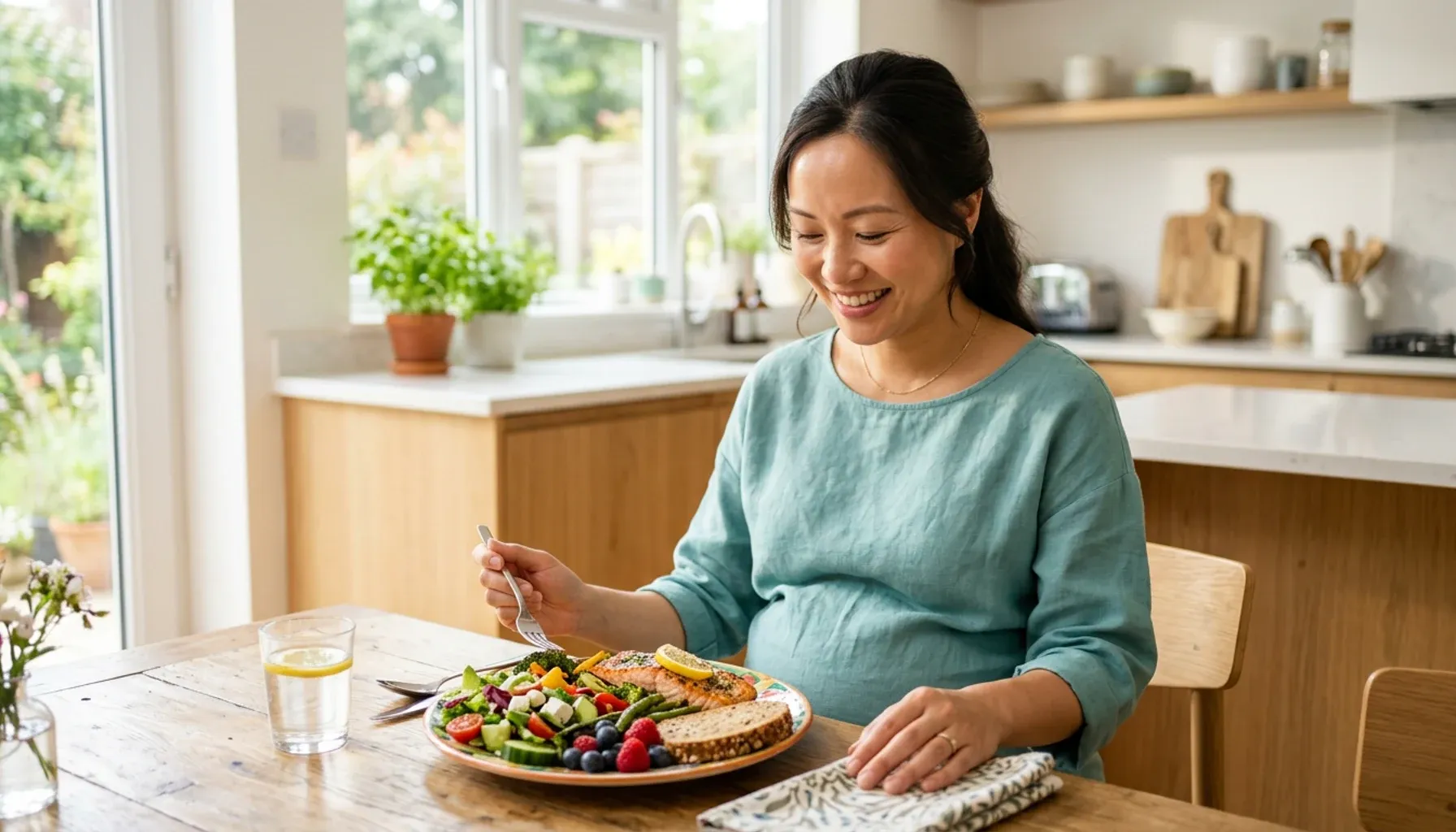
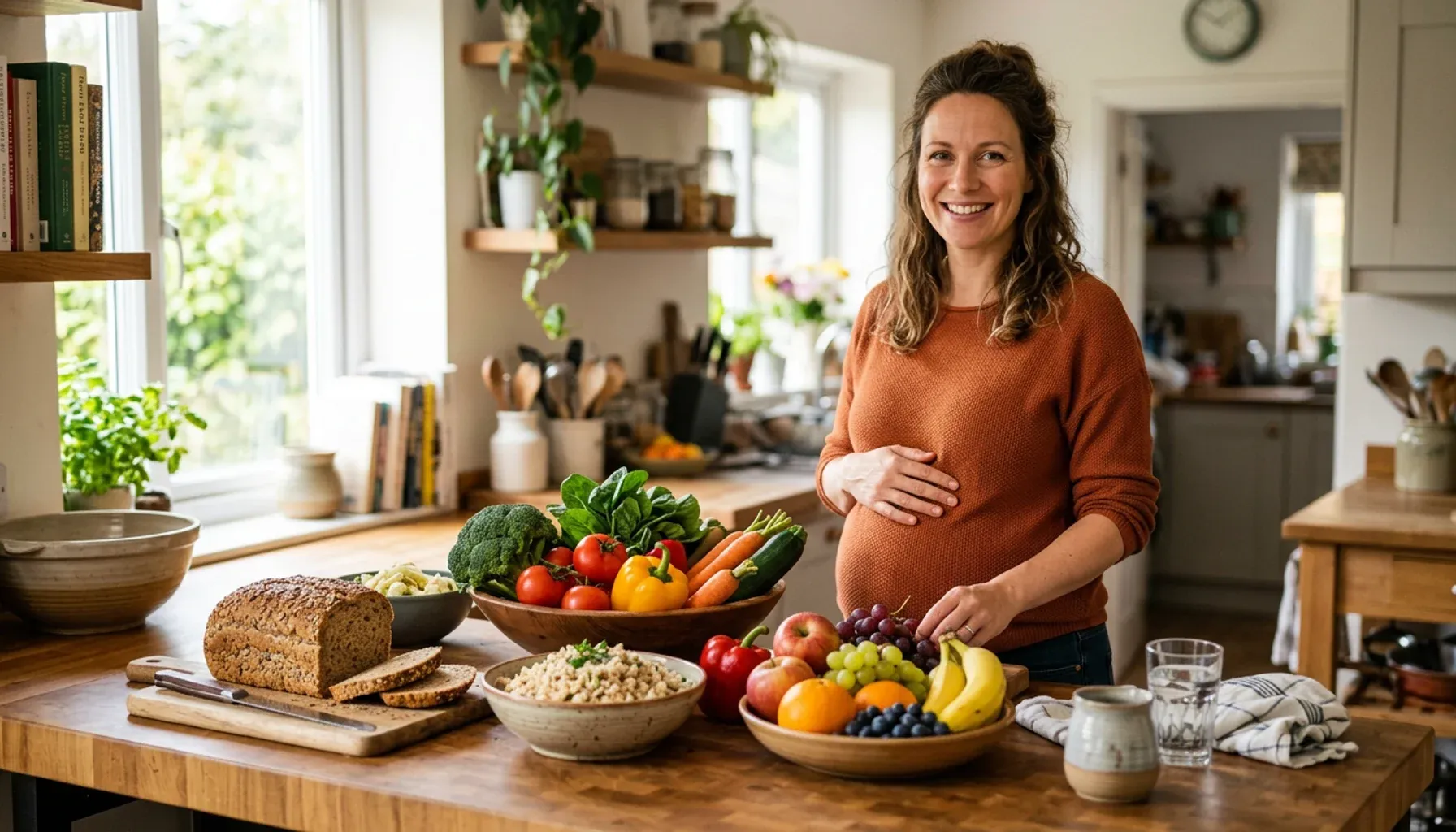
If you are generally healthy, proper nutrition and moderate physical activity are all you need when planning your pregnancy.
The difficulty is that the very concept of "proper nutrition" is rather vague. Even the World Health Organization (WHO) has at least three versions of this definition.
Balanced nutrition [1]
The main factor of a balanced diet is formulated as follows: “Energy intake (calories) should be in balance with energy expenditure” [1]. A healthy diet contains:
Large portions of vegetables, fruits, legumes and cereals.
Fat intake should not exceed 30% of the total calorie intake. Saturated fats (butter, lard, sour cream, cream, palm and coconut oils) should be less than 10%. Preference should be given to unsaturated (vegetable oils and fish oil).
The added sugars should not exceed 10% of the total calories in the diet. It is better to replace sweets with fruits.
You need to eat at least five portions of vegetables and fruits per day (400 g). Potatoes are not included.
Reduce salt intake to 5 grams per day.
Mediterranean diet [2]
Usually presented in the form of a pyramid, the medetarian diet includes cereals, potatoes, legumes, bread and vegetables at the base. The next level includes fruits, nuts, dairy products (yogurt and cheese) in moderation. Fish, poultry and eggs 0 to 4 times a week. The main source of fat is olive oil. Saturated fats (mainly in cheeses) account for 7% of the total energy value of the diet [3]. Since the mid-90s, the diet has been especially popular in the United States, where its effects during pregnancy have been studied. There is evidence that sticking to a Mediterranean diet throughout pregnancy reduces the likelihood of preterm birth and gestational diabetes [4].
Scandinavian diet [2]
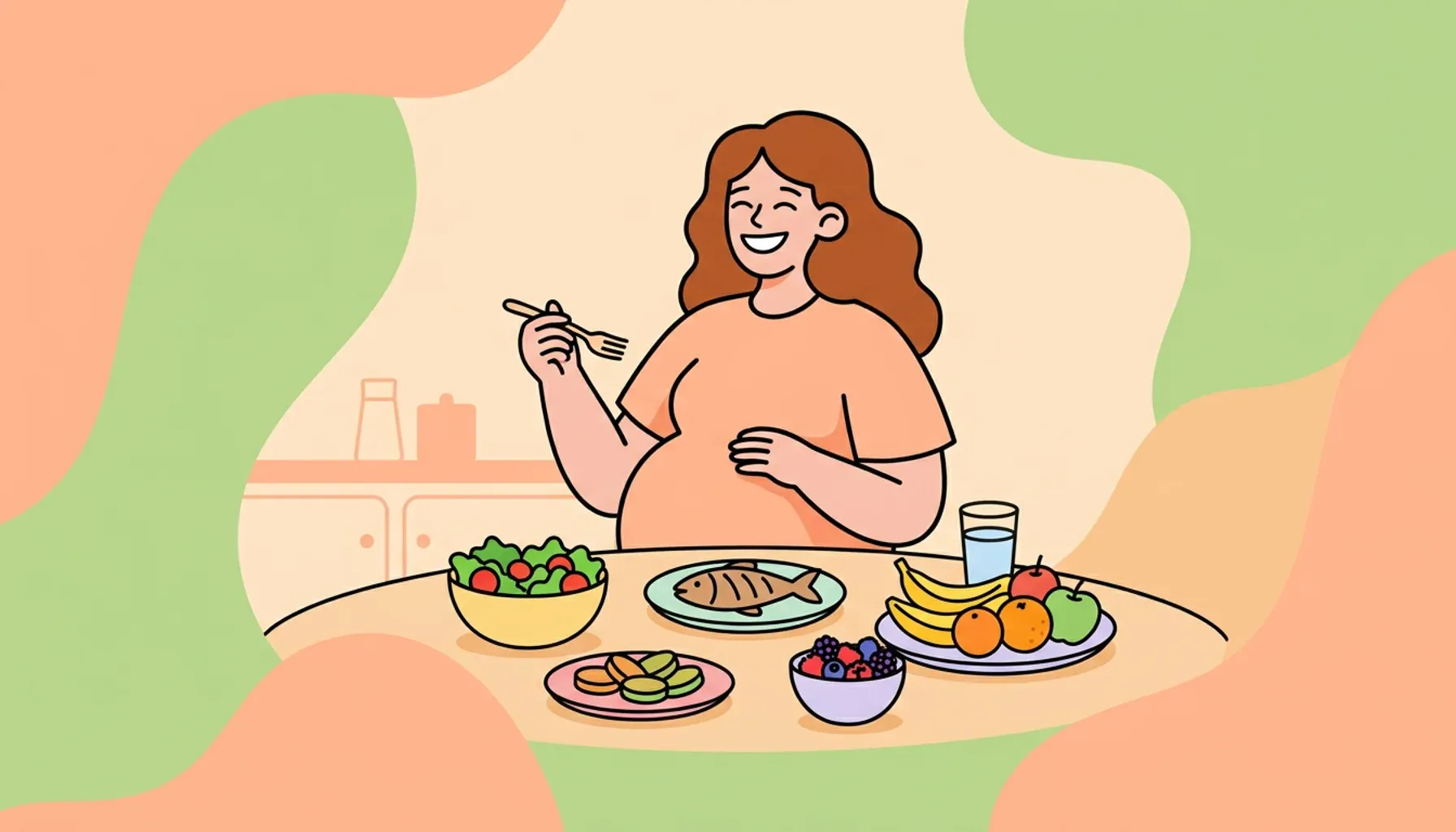
The Scandinavian diet differs from the Mediterranean one by the higher consumption of fish (it is the basis of the diet) [2] and rapeseed oil is used instead of olive oil. Moreover, in the northern countries, oats, barley and rye [5] replace wheat and rice for grains and a lot of fruit has been replaced by berries. Also, Scandinavians drink a lot of milk — much more than fruit juices [6].
A study was conducted in Norway, Sweden, Finland and Denmark for 10 years (from 1999 to 2008 inclusive) to find out how the Scandinavian diet affects pregnancy. A study of more than 72 thousand women showed that adherence to the Scandinavian diet significantly reduces the likelihood of preeclampsia, a serious complication of pregnancy [6].