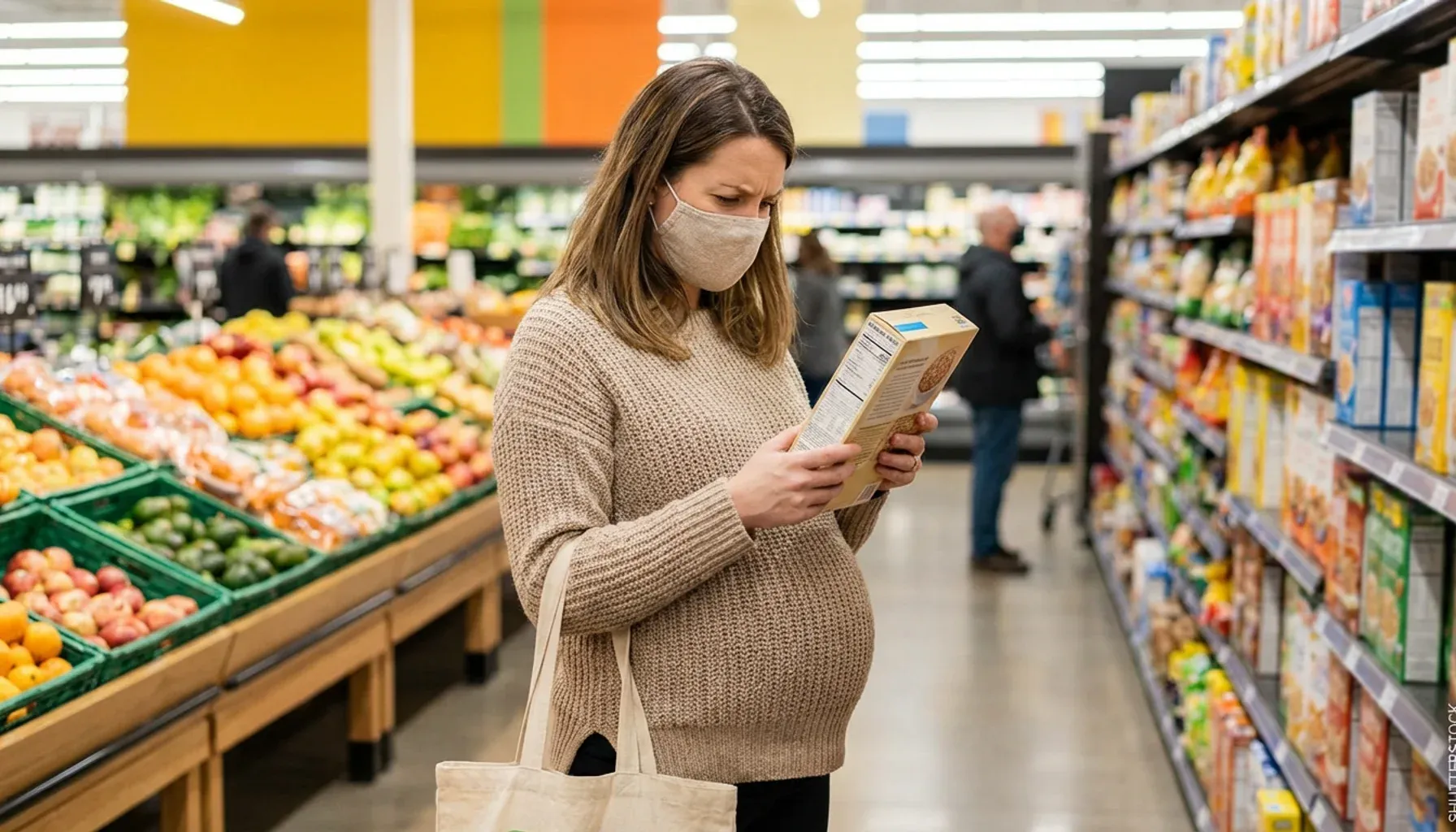

Risky foods to avoid while pregnant
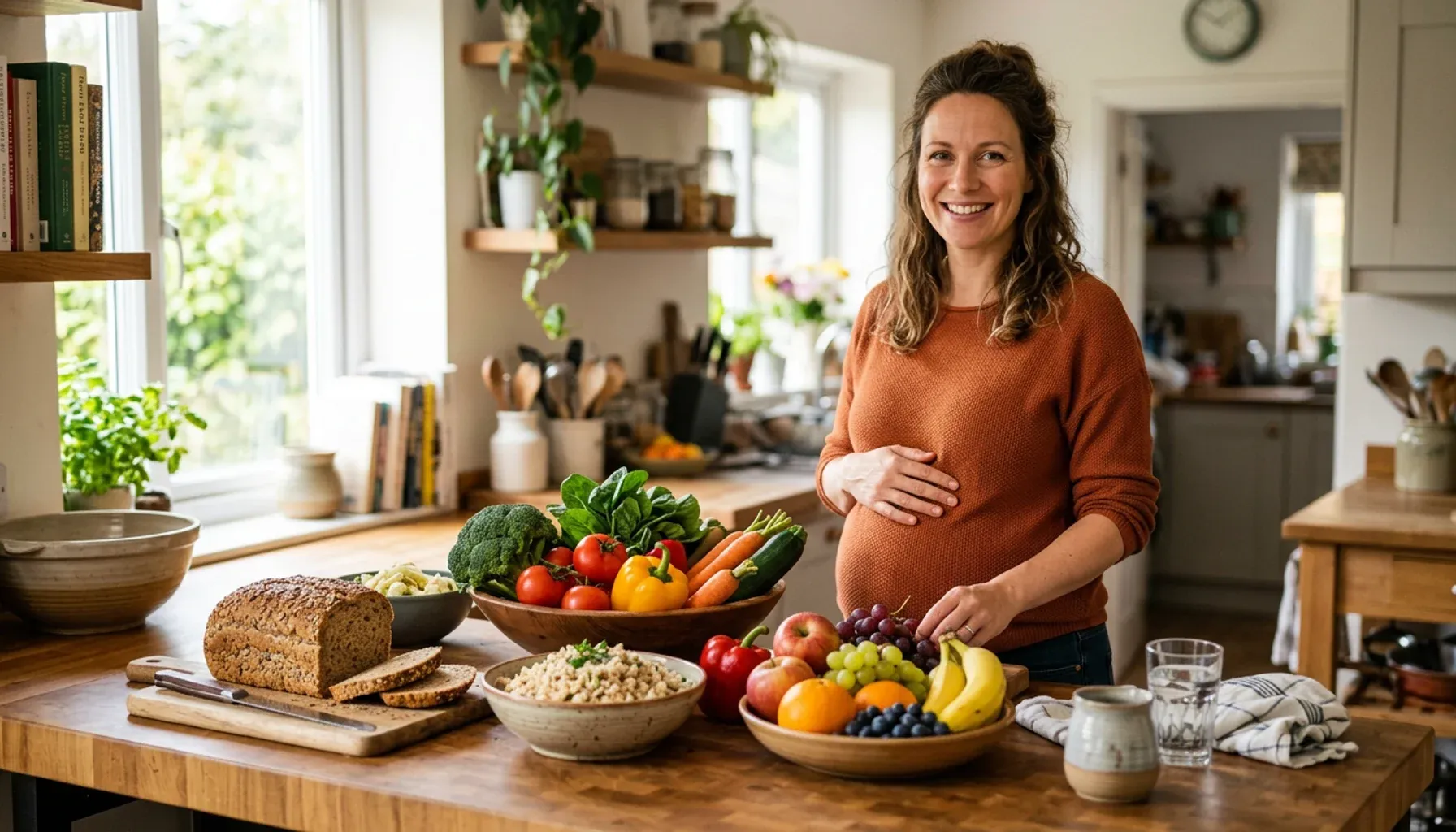
The American College of Obstetricians and Gynecologists (ACOG) recommends that expectant mothers eat a balanced diet built on these five food groups [1]:
grains;
fruit;
vegetables;
proteins;
dairy.
However, a healthy diet based on these food groups should include some additional considerations.
Pregnant women are more vulnerable than others to bacterial infections [2, 3], and many of these bacteria are commonly transmitted through food. As an example, toxoplasmosis is thought to primarily transmit from domestic cats to humans, but in actuality, most infections come from eating poorly processed meat [3]. Listeriosis (which affects the nervous system) is most often transmitted through unpasteurized dairy products and unwashed or partially washed vegetables [4]. Salmonella bacteria live in raw eggs and their products, as well as in poultry [2] and seafood [5].
Viral and parasitic infections usually come from eating fish and seafood [5]. ACOG also warns [1] that some types of Atlantic fish accumulate large amounts of mercury, a toxic trace element.
Many times, these infections and illnesses go largely unnoticed in adults, but they can have a negative impact on the health of the developing child. That is why during pregnancy it is a good idea to temporarily eliminate certain foods from your diet, such as [1, 2]:
rare-cooked steaks, raw beef, and uncooked or undercooked meat of any kind;
sushi and salt-cured or smoked fish;
tuna, flounder, mackerel, and other fish that accumulate high amounts of mercury;
raw and blanched seafood like oysters and mussels;
soft-boiled eggs and homemade mayonnaise (store-bought mayonnaise is okay, as it is pasteurized);
unpasteurized milk and homemade cottage cheese;
soft cheeses with mold such as Brie, Camembert, Roquefort, and other similar types.
In addition, animal livers (such as chicken or beef liver) should not be eaten more than once a week, as they contain a high concentration of vitamin A, and an overdose can be dangerous for the baby [1, 2].
Always wash vegetables and fruit thoroughly.
There are no additional concerns around a healthy pregnancy diet, except to note that grains should be cooked to ensure their safety for eating.