
Strange cravings...
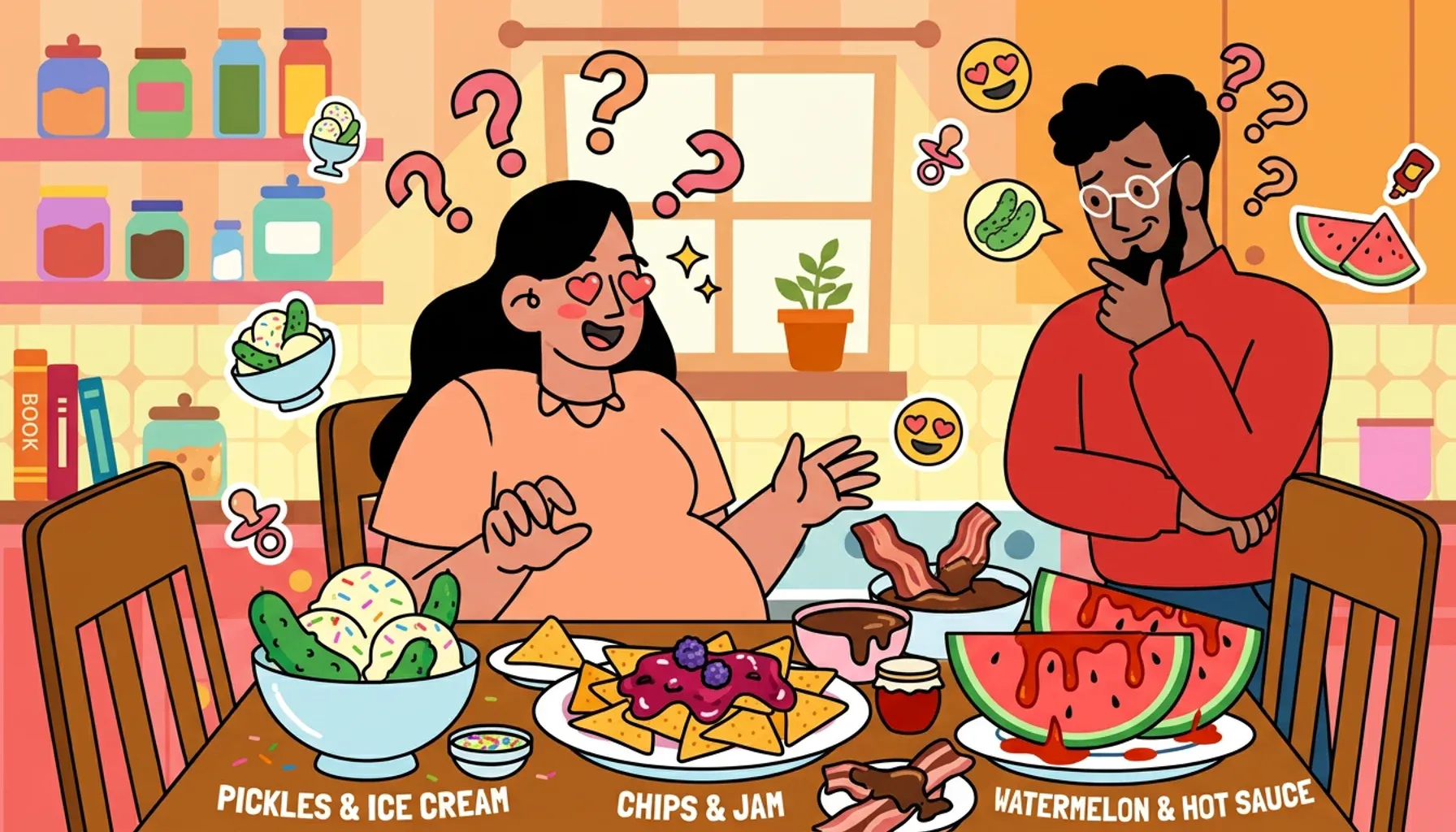
The eighth week of pregnancy is the beginning of a strange metamorphosis. What used to be your favorite food may become intolerable. Some mamas may even crave indelible things like chalk, coal, or dirt.
Is this normal? Statistically, yes — odd cravings are quite common. However, should you give into these cravings? No; inedible products are not only poorly absorbed, but can also interfere with the absorption of nutrients from normal food.
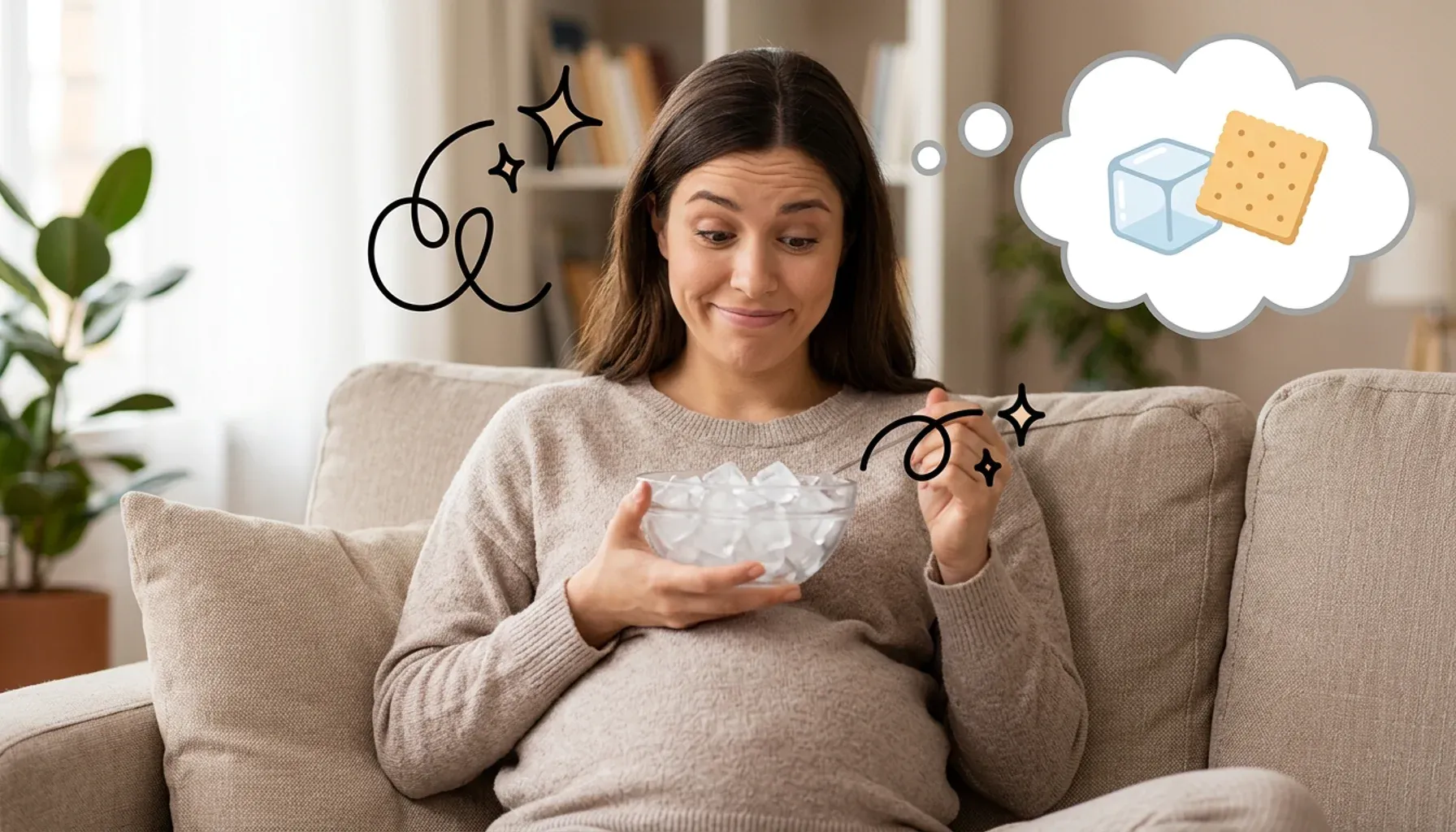
Doctors took up the scientific study of pregnancy cravings in the late 1950s [1]. The research suggested most pregnant women were craving things based on texture — and most desired something crunchy: coal, wet soap, chalk, ice cubes. Some researchers suggested that the crunch may suppress the gag reflex. However, this theory does not explain why some pregnant women crave toothpaste or softer substances.
Over the past 60 years, researchers had multiple theories, though most denied the notion that pregnant women were craving things that would provide scarce micronutrients [2, 3]. When acted on, eating non-edibles can lead to dire consequences.
One of the most convincing hypotheses [3] explaining the strange dietary preferences was formulated by American researchers who noticed these cravings were more likely to occur in poor and patriarchal societies than in prosperous ones. While in more prosperous countries, a softened version appears — women craving reliably unhealthy foods like chips and other junk food.
The researchers suggested that women were more likely to act on cravings for dangerous substances if they did not receive support from their family or society; subconsciously the mothers perceived their pregnancy as a problem. They found that “food perversions” were often associated with depression [3]. In more supportive environments, pregnant women still experience a change in eating habits — but more often it’s an increase in fruits and other beneficial foods [4].
If you are experiencing cravings for unhealthful substances, you may find talking with a therapist more helpful than consulting with a nutritionist.