EN
try amma today
The baby could now survive outside the womb
Pregnancy

The baby could now survive outside the womb

3 min readWeek 35
Key takeaways
3 min
  • Understand that babies born at 34 weeks are considered viable and can survive outside the womb, though they'll need NICU care for monitoring.
  • Expect your baby to recognize your voice and respond to lullabies as their hearing is fully developed by this stage of healthy pregnancy.
  • Monitor for breathing difficulties if carrying twins, as increased amniotic fluid can compress the lungs and may require medical intervention.
  • Prepare for visible belly shape changes as your baby moves in the cramped uterine space, indicating normal development.
  • Know that all major organs are formed by 34 weeks, with your baby now focusing on building fat stores for temperature regulation after birth.

At 34 weeks pregnant, babies are considered viable and can survive outside the womb. All major organs are fully formed, though premature babies require NICU care for monitoring and support until ready for discharge.

amma app

Track your pregnancy in the app

Personalized content for your pregnancy week

Download App

The baby could now survive outside the womb

As the eighth month of pregnancy comes to an end, the baby continues to develop, but all internal organs are already fully formed. They are building the subcutaneous fatty tissue that will help keep them warm after birth [1, 2]. In boys, the testicles gradually descend into the scrotum. At birth, their genitals may look enlarged because they swell due to the flow of fluid and hormonal activity. They will reduce to a normal size in a few days [2]. 

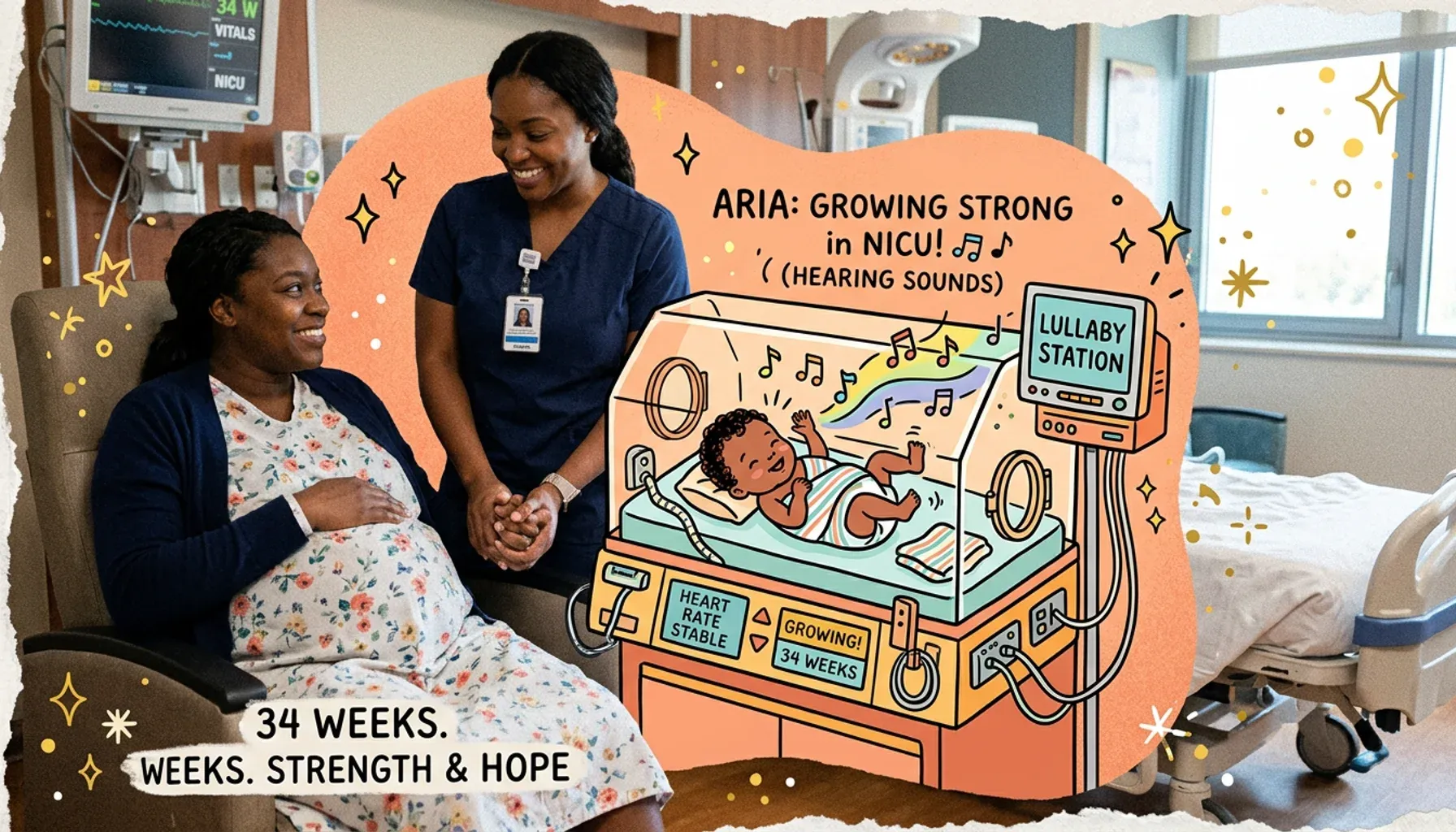
The baby can distinguish voices well and recognize their parent’s voices [1]. The cochlea, the part of the ear that transmits information regarding sounds to the brain, is already fully developed, so the baby can also recognize lullabies and other melodies you sing [2].

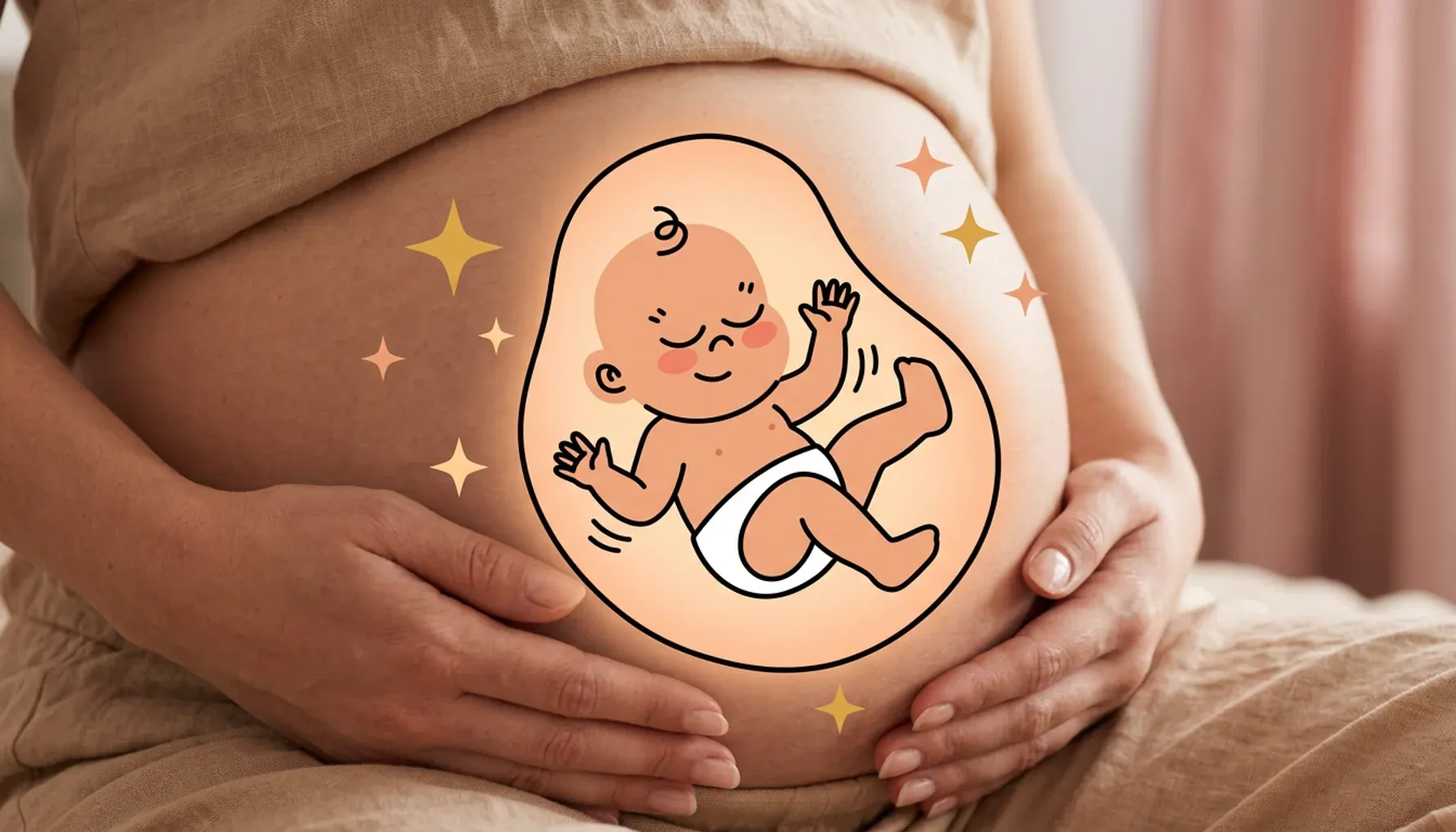
By this week, it’s getting pretty tight inside the uterus. The baby usually lies with their legs pressed to their chest. When they toss and turn to change position, your partner can see how the shape of her belly changes [1].

At this time, babies are considered viable and can live outside the womb if they do not have any serious health issues [1]. However, babies born at this point will remain under observation in the neonatal unit for a while [3].

At this time, amniotic fluid reaches a maximum volume of about 34 fluid ounces (1 liter). Before giving birth, it will drop to about 20 ounces (600 ml) [1, 4]. The baby constantly swallows amniotic fluid, some of it will be excreted in the form of urine, and some is accumulated in the intestines in the form of meconium, the baby’s first feces. The meconium that accumulates during pregnancy will pass after the baby is born [5].

If your partner is expecting twins

The amount of amniotic fluid can complicate the condition of the mother. Due to the large volume of liquid, the uterus expands to the point that it becomes harder to breathe. There are also cases in which one of the twins has polyhydramnios, and the other has little water. In this instance, the mother may be offered what is called an amnio reduction, a procedure in which excess amniotic fluid is pumped out. This is a fairly safe procedure and it can prevent premature rupture of the fetal membranes, allowing the pregnancy to be carried to term [6].

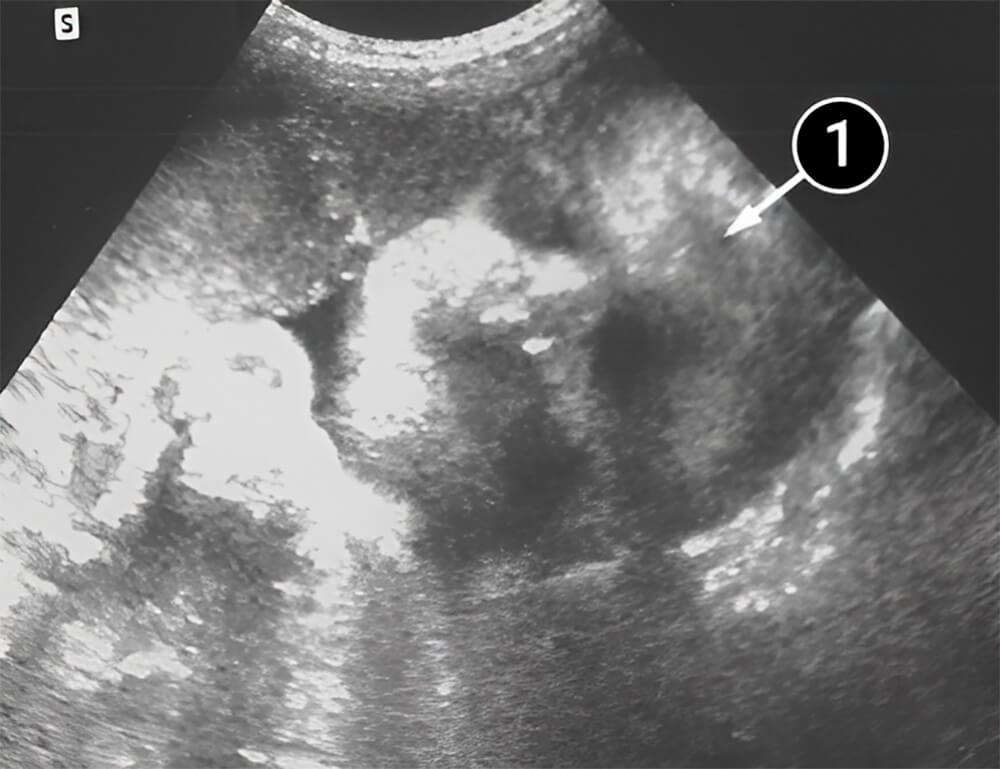
What we can see on an ultrasound

The image shows the baby’s head, as well as the contours of the eyes, nose, and chin.
The baby could now survive outside the womb - The baby could now survive outside the womb
Frequently asked questions

Yes, babies born at 34 weeks are considered viable and can survive outside the womb if they don't have serious health issues. However, they will need to stay in the NICU for observation and support until they're ready to go home.

By 34 weeks, all internal organs are fully formed and functional. The baby's hearing is complete, lungs are developing rapidly, and they're building crucial fat stores for temperature regulation after birth.

Movement may feel different at 34 weeks because space is limited in the uterus. Your baby typically lies with legs pressed to chest, and when they change positions, you can see your belly shape change dramatically.

Twin pregnancies may experience polyhydramnios (excess amniotic fluid), making breathing difficult for the mother. Doctors may recommend amnio reduction to remove excess fluid and prevent premature membrane rupture.

Yes, your baby can clearly distinguish voices and recognize melodies at 34 weeks. The cochlea is fully developed, allowing them to hear and remember lullabies and other sounds from the womb.

Medical Disclaimer

This article is for informational purposes only and is not a substitute for professional medical advice, diagnosis, or treatment. Always seek the advice of your physician or qualified health provider with any questions you may have regarding a medical condition.

Meet our medical experts

Medically reviewed content

Reviewed by healthcare professionals · Updated September 6, 2024

Track your pregnancy on the go

Rated 4.8417,594 reviews