EN
try amma today
Wake your partner up if she falls asleep on her back
Pregnancy

Wake your partner up if she falls asleep on her back

2 min readWeek 27
Key takeaways
2 min
  • Wake your pregnant partner if she rolls onto her back while sleeping, as this position can compress the inferior vena cava and reduce blood flow to the baby.
  • Use pregnancy pillows between legs or under the belly to help maintain comfortable side sleeping positions throughout the night.
  • Try the ping pong ball hack by sewing or taping a ball to the back of pajamas to naturally discourage back sleeping.
  • Recognize that Braxton-Hicks contractions causing abdominal tightening are normal practice contractions, especially in the second half of pregnancy.
  • Support your partner with proper sleep positioning tools and understanding of normal pregnancy discomforts like back pain and practice contractions.

Yes, you should gently wake your pregnant partner if she's sleeping on her back. This position can compress the inferior vena cava, reducing blood flow to the baby. Side sleeping is the safest position during pregnancy for optimal circulation.

amma app

Track your pregnancy in the app

Personalized content for your pregnancy week

Download App

Wake your partner up if she falls asleep on her back 

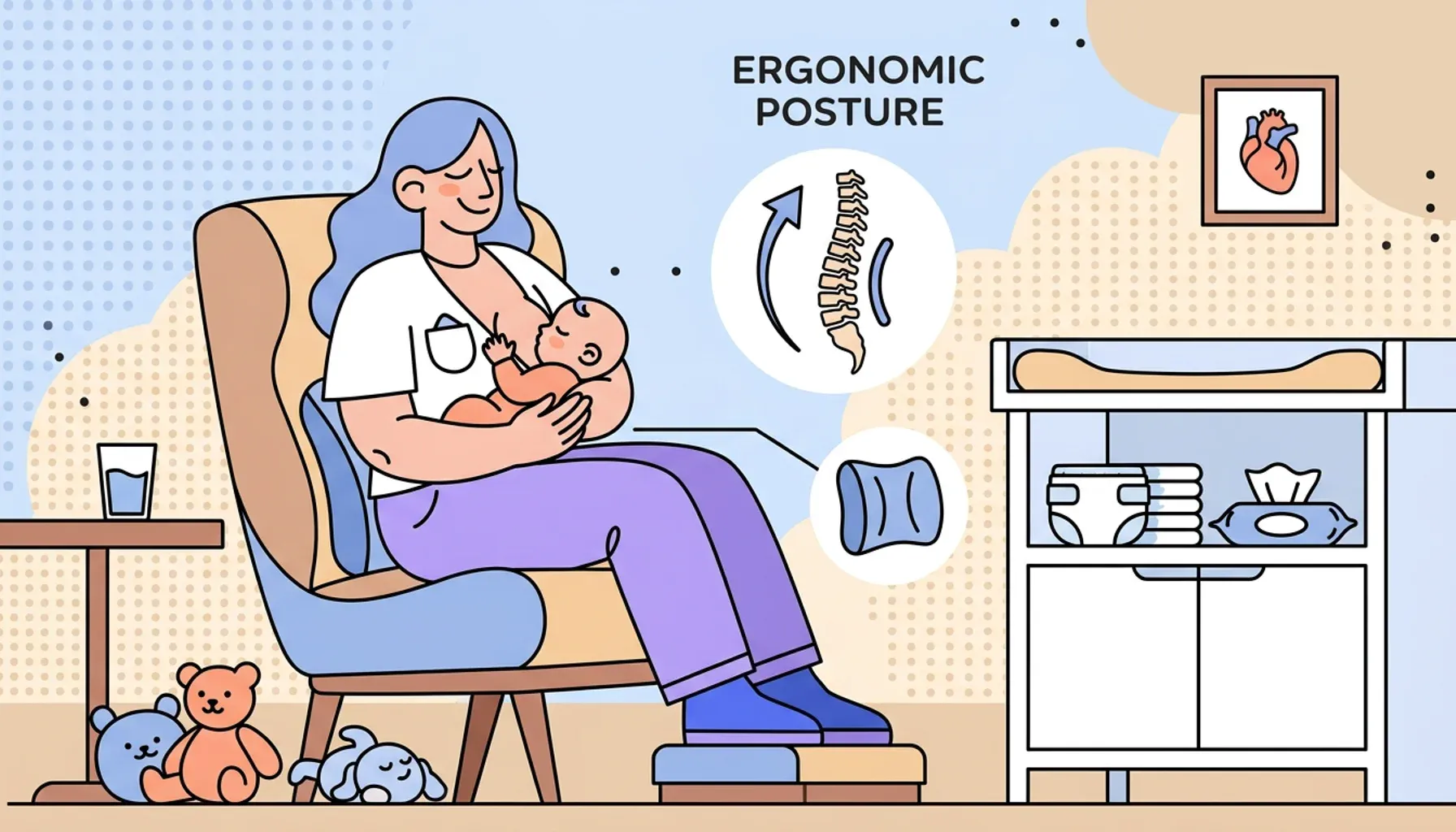
Pregnancy noticeably changes a woman’s posture. Her shoulders lean back, while her abdomen pushes forward. This shift in the body’s center of gravity puts extra strain on the spine, causing frequent lower back pain. A special pillow designed for pregnancy can provide some much-needed relief and would make a great gift for your partner [1].

At night, this pillow can be placed under the stomach or between the legs, making it easy for a pregnant woman to sleep on her side, which is the best sleeping position for her. 

If during the night you notice that your partner is sleeping on her back, nudge her so she can turn on her side, even if you have to wake her. Pregnant women are encouraged to avoid sleeping on their back, because it causes the uterus to press on the inferior vena cava, posing a risk to the expectant mother and the baby [2]. 

Nobody expects you to watch over your partner all night to ensure she sleeps in the right position, but there is a hack for that. Your partner can sew a ping pong ball to the back of her pajamas (or tape it), she will feel it when she turns on her back and wake up to adjust her position [3]. 

You will probably hear your partner complain about lower abdominal discomfort often, describing it as if her tummy tightens and then relaxes. These are likely Braxton-Hicks contractions and are no reason for worry. Many women start experiencing them in the second half of their pregnancy and they are considered practice contractions, not the real ones that lead to labor [4]. If it gives her peace of mind your partner can ask her doctor about Braxton-Hicks contractions.


Frequently asked questions

Sleeping on the back during pregnancy can cause the heavy uterus to compress the inferior vena cava, a major blood vessel. This compression can reduce blood flow to both the mother and baby, potentially causing dizziness, nausea, and decreased oxygen supply.

Side sleeping, particularly on the left side, is considered the safest position during pregnancy. This position optimizes blood flow to the placenta and helps prevent compression of major blood vessels.

Provide pregnancy pillows for support, gently wake her if she rolls onto her back, and consider the ping pong ball technique. Be understanding about frequent position changes and nighttime bathroom trips.

Braxton-Hicks contractions are practice contractions that cause the belly to tighten and relax. They're normal during pregnancy, especially in the second half, and don't lead to labor like real contractions do.

If your partner frequently wakes up feeling dizzy, nauseous, or short of breath after sleeping on her back, consult a healthcare provider. Most position changes during sleep are normal and brief.

Medical Disclaimer

This article is for informational purposes only and is not a substitute for professional medical advice, diagnosis, or treatment. Always seek the advice of your physician or qualified health provider with any questions you may have regarding a medical condition.

Meet our medical experts

Medically reviewed content

Reviewed by healthcare professionals · Updated June 3, 2025

Track your pregnancy on the go

Rated 4.8417,594 reviews