EN
try amma today
What should I eat after my due date?
Pregnancy

What should I eat after my due date?

1 min readWeek 42
Key takeaways
1 min
  • Continue eating the same healthy diet you maintained throughout pregnancy, focusing on fruits, vegetables, legumes, nuts, and whole grains.
  • Limit added sugar intake to three tablespoons or less per day and avoid trans fats found in packaged baked goods.
  • Drink plenty of water to prevent constipation and hemorrhoids during this extended pregnancy period.
  • Experiment with foods like carrots and celery to potentially influence your baby's future taste preferences.
  • Avoid processed and sugary foods while maintaining consistent nutritious eating habits.

After your due date, continue eating the same healthy diet from your pregnancy including fruits, vegetables, legumes, nuts, and whole grains. Limit added sugar to three tablespoons daily, avoid trans fats, and drink plenty of water to prevent constipation.

amma app

Track your pregnancy in the app

Personalized content for your pregnancy week

Download App

What should I eat after my due date?

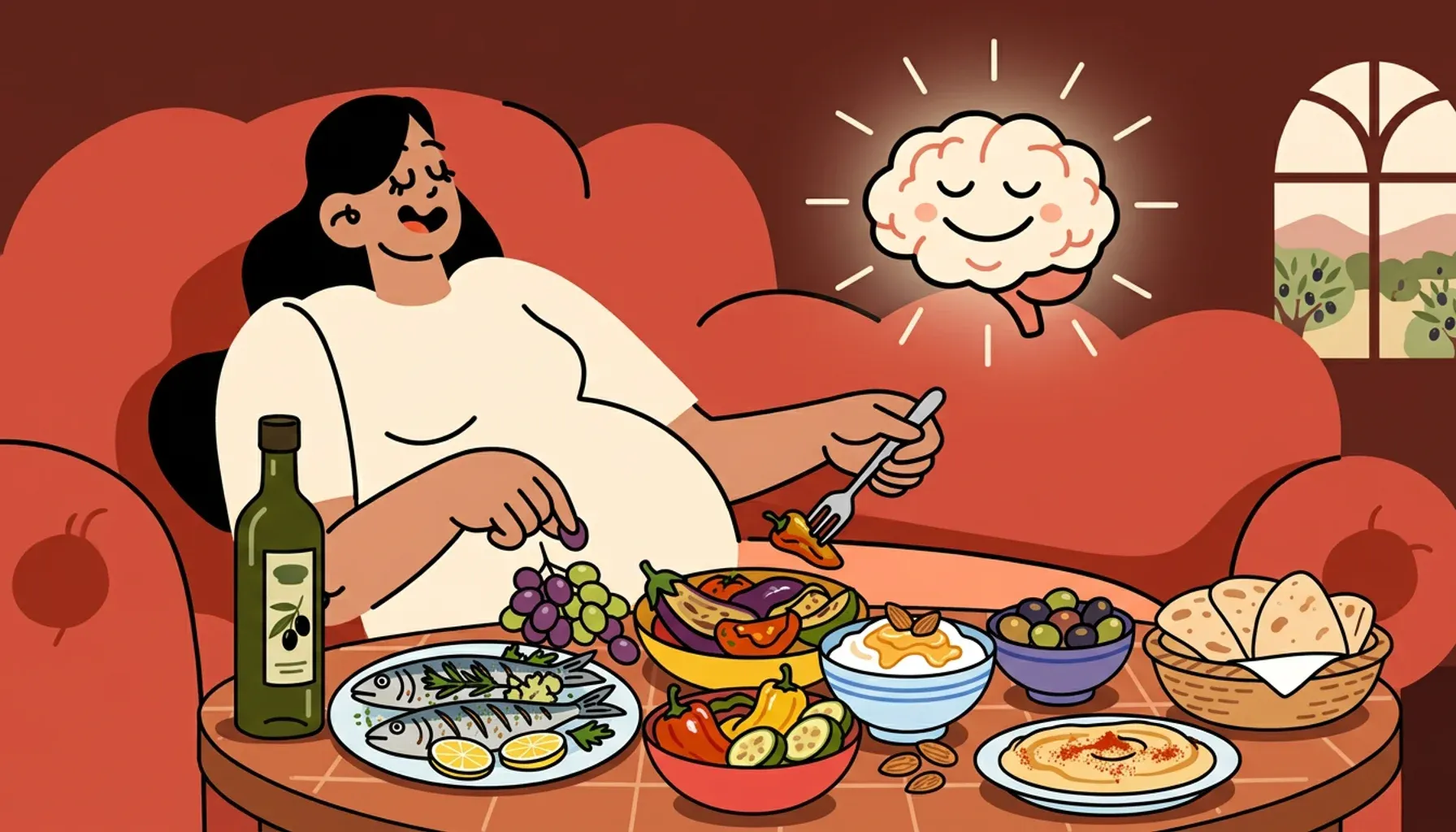
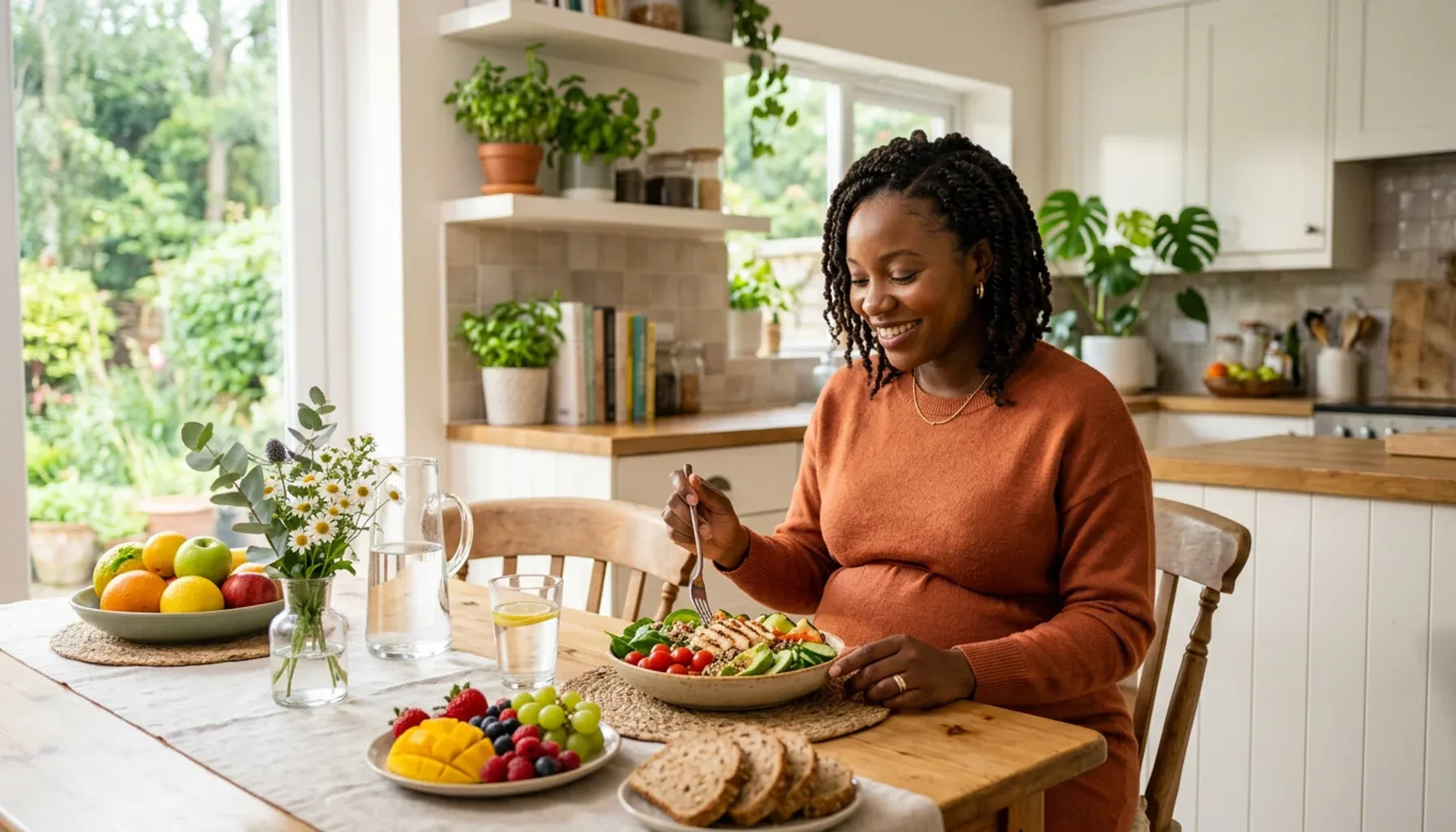
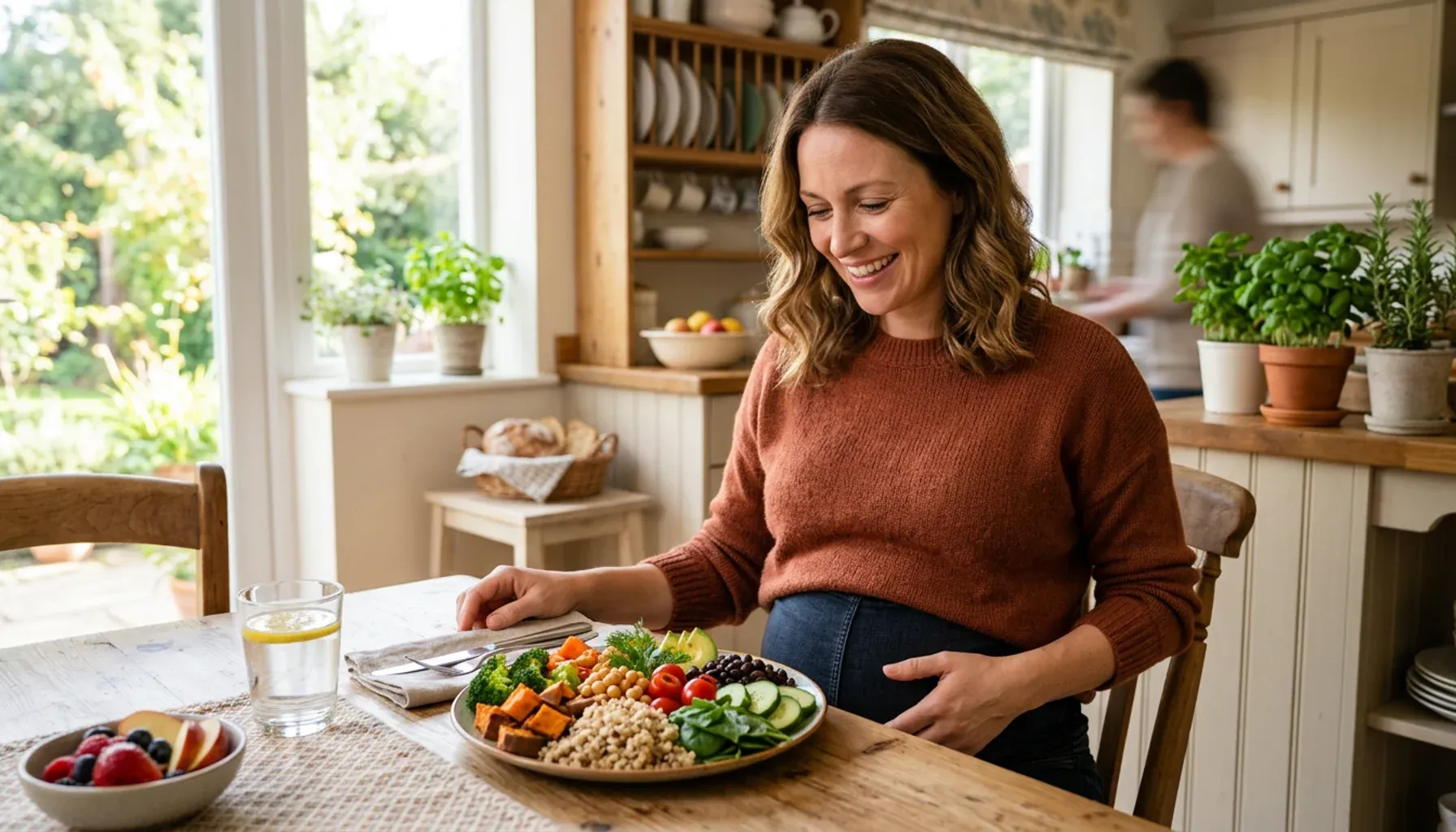
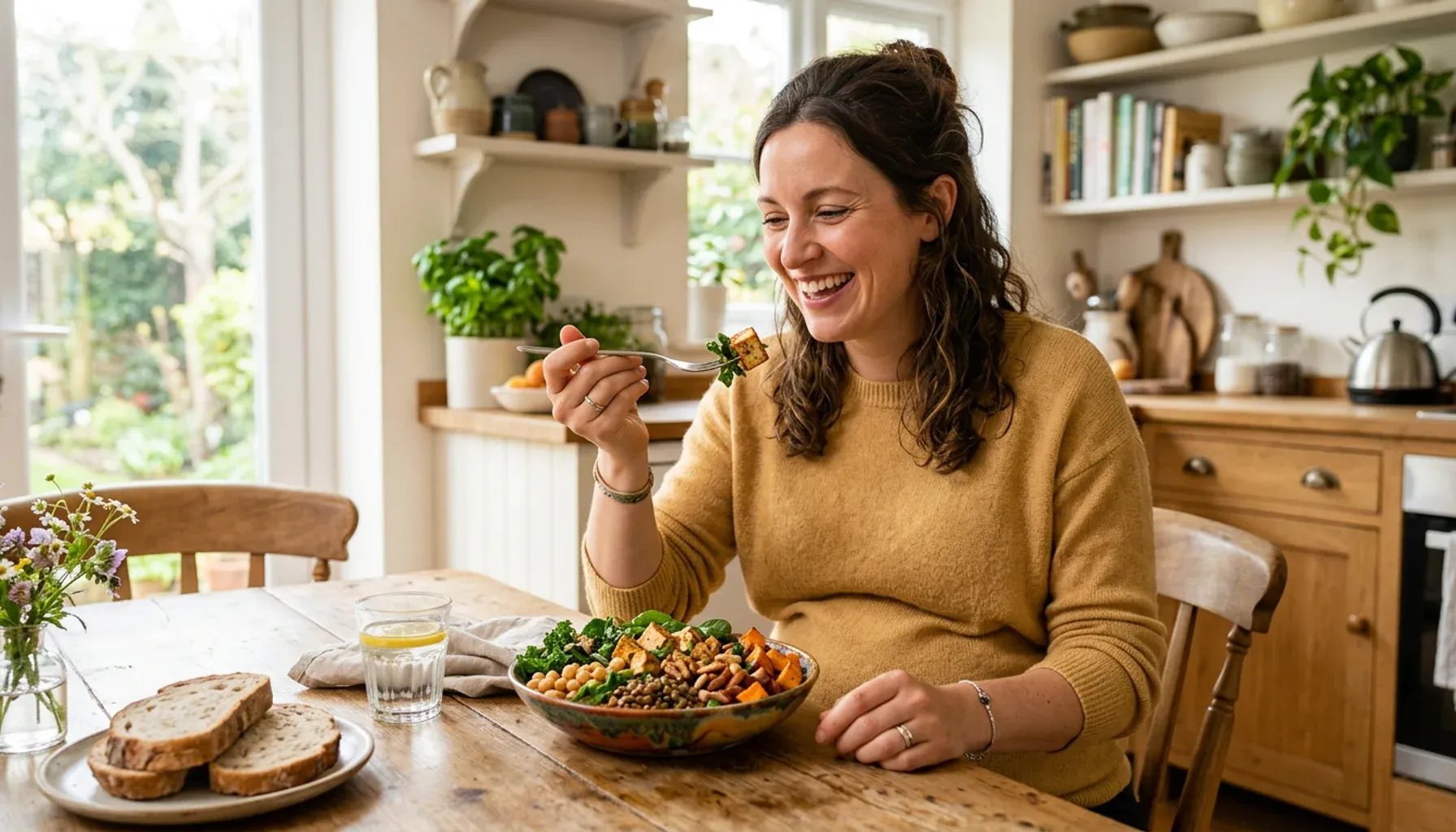
It’s a good idea to continue the healthy diet you’ve been practicing throughout your pregnancy [1]. Make sure you are eating your fruits, vegetables, legumes, nuts, and whole grains and avoiding processed, sugary foods. Try to eat around three tablespoons or less of added sugar per day. WHO advises avoiding trans fats, which can be found in almost all packaged baked goods. Be sure to continue drinking enough water to prevent constipation and hemorrhoids.

You can take advantage of the extra time before the birth of your baby by experimenting with your diet. Eat extra carrots and celery to see if it will help your baby take a special interest in these tastes and smells later.
Frequently asked questions

Continue eating fruits, vegetables, legumes, nuts, and whole grains just like during your pregnancy. Focus on maintaining the same healthy diet you've been following throughout your pregnancy journey.

Limit your added sugar intake to around three tablespoons or less per day. Avoid processed and sugary foods to maintain optimal health for both you and your baby.

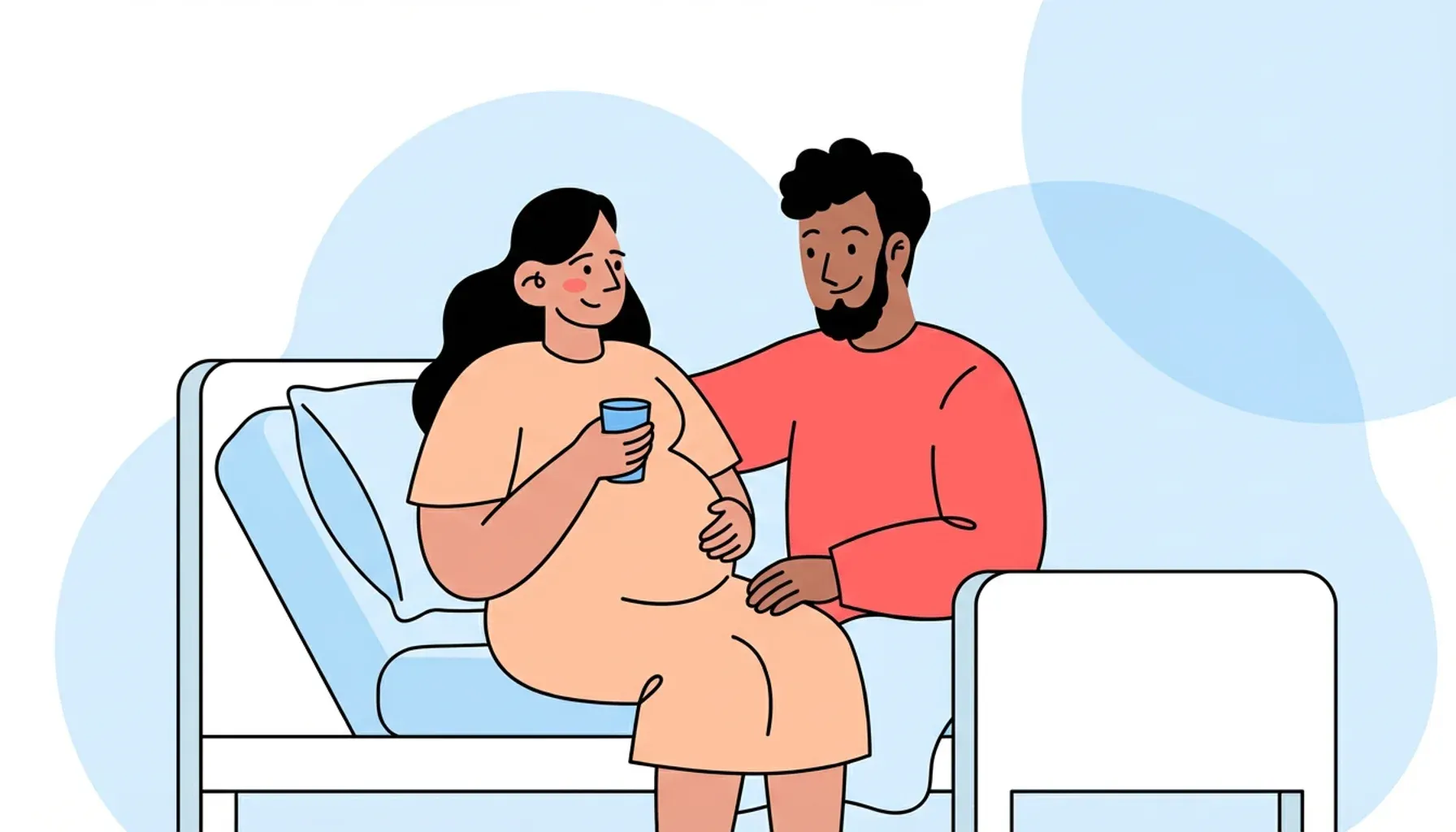
Yes, continue drinking plenty of water to prevent constipation and hemorrhoids. Staying well-hydrated is especially important during this extended pregnancy period.

While no foods are scientifically proven to induce labor, maintaining a healthy diet supports your overall well-being. Focus on nutritious whole foods rather than trying specific labor-inducing foods.

Avoid trans fats found in packaged baked goods and limit processed, sugary foods. Continue following the same food safety guidelines you maintained throughout your pregnancy.

Medical Disclaimer

This article is for informational purposes only and is not a substitute for professional medical advice, diagnosis, or treatment. Always seek the advice of your physician or qualified health provider with any questions you may have regarding a medical condition.

Meet our medical experts

Medically reviewed content

Reviewed by healthcare professionals · Updated June 5, 2025

This article is based on peer-reviewed research and trusted medical sources.

  1. Healthy eating. WHO fact sheet. 2018.

Track your pregnancy on the go

Rated 4.8417,594 reviews