EN
try amma today
What weight gain is considered normal by the end of the second trimester
Pregnancy

What weight gain is considered normal by the end of the second trimester

2 min readWeek 26
Key takeaways
2 min
  • Aim for 0.78-1.1 pounds per week during second trimester, totaling 9.2-13.2 pounds by trimester's end based on your starting BMI.
  • Monitor weight gain carefully as exceeding 15.4 pounds increases risks of gestational diabetes and hypertension that diet changes can't reverse after 28 weeks.
  • Follow structured eating plans like Mediterranean, DASH, or low glycemic index diets rather than relying on willpower alone for healthy weight management.
  • Understand that excessive pregnancy weight gain affects your baby's gene expression and programs their future chronic disease risk.
  • Remember that only one-third of weight gain is baby-related; the rest supports increased blood volume and energy reserves for breastfeeding.

Normal weight gain by the end of second trimester is 9.2-13.2 pounds total, based on gaining 0.78-1.1 pounds weekly. This assumes healthy pre-pregnancy BMI and follows standard gynecological recommendations for safe pregnancy progression.

amma app

Track your pregnancy in the app

Personalized content for your pregnancy week

Download App

What weight gain is considered normal by the end of the second trimester

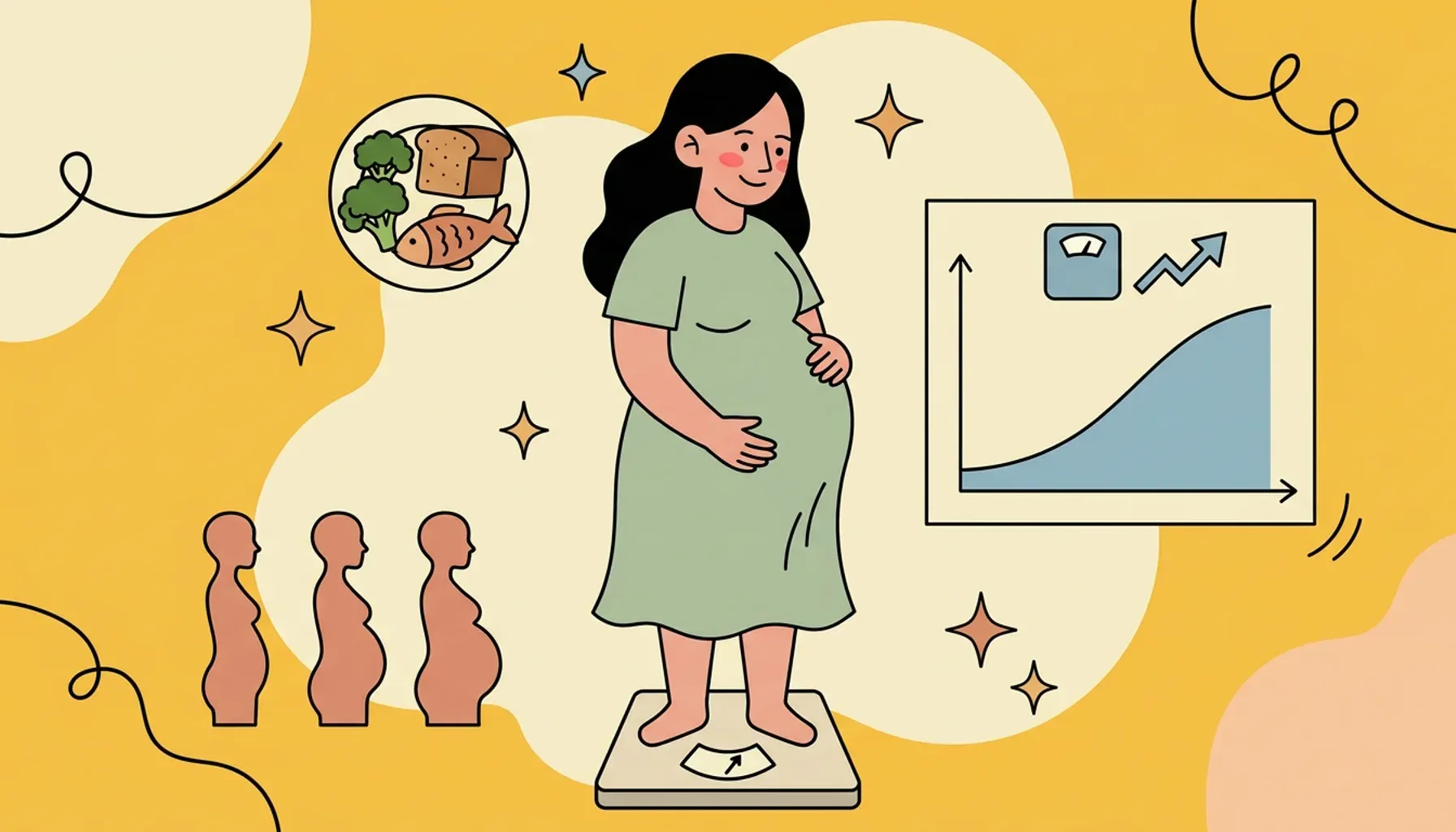
You already know that the higher your BMI at the very beginning of pregnancy, the slower your weight gain should be. On average, if in the second trimester you gained 0.78-1.1 lb (350-500 g) per week, as recommended by gynecologists, then now the increase is 9.2-13.2 lb (4.2 - 6 kg) total. Of course, not all of this weight is yours: about a third of the weight is the baby, placenta and amniotic fluid. The rest is increased blood volume plus the energy reserve necessary for carrying, and after childbirth, for the production of milk [1].

Exceeding these averages is not as harmless as it might seem. If your weight increased by more than 15.4 lb (7 kg) during the second trimester, then the likelihood of gestational diabetes [2] and gestational hypertension [3] also increased with it. Moreover, if significant weight gain occurred before the 28th week, then later adjustments to diet and lifestyle will not stop the onset of these conditions, only reduce the likelihood of complications.

Moreover, excessive weight gain during pregnancy affects the expression of genes in the child and programs his tendency to chronic diseases in the future [4].

Fortunately, weight gain is a manageable risk. It doesn’t matter which of the healthy food systems you choose: Mediterranean, DASH, a low glycemic index, or just carefully counting calories — any of the options can help manage your weight better than relying on sheer will power [4] so that you can stay in a normal weight range through the last trimester.

Frequently asked questions

Normal weight gain by the end of second trimester is 9.2-13.2 pounds (4.2-6 kg) total, assuming you gained the recommended 0.78-1.1 pounds per week. Your exact target depends on your pre-pregnancy BMI.

Gaining more than 15.4 pounds during second trimester increases your risk of gestational diabetes and hypertension. If excessive gain occurs before 28 weeks, later dietary changes may not prevent these conditions.

About one-third of weight gain comes from baby, placenta, and amniotic fluid. The remaining weight is from increased blood volume and energy reserves needed for pregnancy and milk production.

Follow structured eating plans like Mediterranean, DASH, or low glycemic index diets rather than relying on willpower alone. Any healthy food system works better than unstructured approaches for managing pregnancy weight.

Yes, excessive weight gain during pregnancy can affect your baby's gene expression and program their tendency toward chronic diseases later in life. Maintaining healthy weight gain protects both you and your baby.

Medical Disclaimer

This article is for informational purposes only and is not a substitute for professional medical advice, diagnosis, or treatment. Always seek the advice of your physician or qualified health provider with any questions you may have regarding a medical condition.

Meet our medical experts

Medically reviewed content

Reviewed by healthcare professionals · Updated August 12, 2025

Track your pregnancy on the go

Rated 4.8417,594 reviews