EN
try amma today
When will I get my body back?
Pregnancy

When will I get my body back?

2 min readWeek 38
Key takeaways
2 min
  • Expect to return to pre-birth weight within 6-12 months, as faster weight loss can harm your health and recovery.
  • Prioritize breastfeeding to naturally reset metabolic changes and burn approximately 500 calories daily.
  • Avoid strict dieting immediately postpartum, as it increases Type 2 diabetes risk and can cause weight regain.
  • Increase fiber intake to 30g daily through whole grains, dried fruit, and hummus for sustainable weight management.
  • Combine proper nutrition with gentle exercise when ready, but be patient with your body's healing process.

Most women return to their pre-pregnancy weight within 6-12 months after birth. Your body needs this time to naturally reset metabolic changes from pregnancy, especially if breastfeeding, which burns 500 calories daily and helps restore insulin sensitivity.

amma app

Track your pregnancy in the app

Personalized content for your pregnancy week

Download App

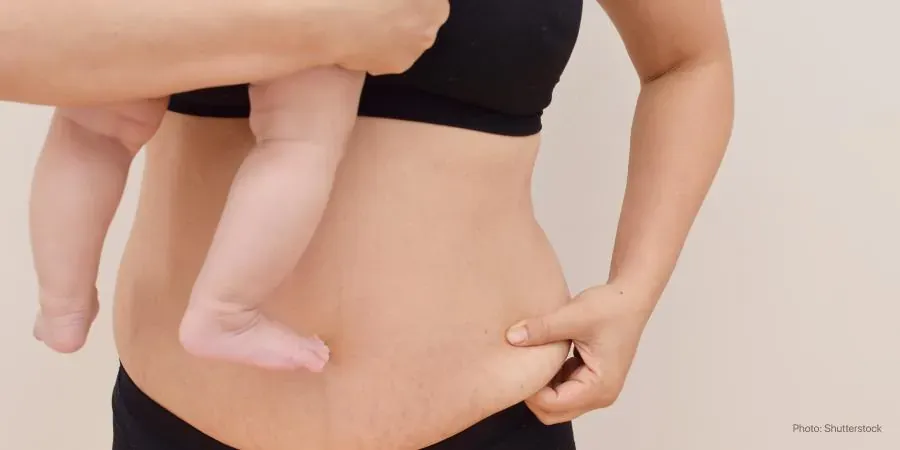
Some mamas will return to their pre-birth weight within six to 12 months after birth. Trying to lose weight any faster than that could be bad for your health.

During pregnancy, the body went through a huge restructuring, which especially affected the metabolism. Visceral fat accumulated (covering the internal organs), sensitivity to insulin decreased, and the production of ghrelin (the hunger hormone) increased. All of this is necessary for the development of the baby and for breastfeeding. Breastfeeding will smoothly and safely "reset" these metabolic changes [1].

Lactation and feeding are energy-intensive processes. You will spend almost 500 calories per day on them alone. Along with this, the sensitivity to insulin will return and visceral fat will start to decrease [2].

What if I don't breastfeed and want to diet instead?

If you give up breastfeeding and go on a strict diet, your metabolic processes still need time to recover from pregnancy. Going on a severe diet after pregnancy can increase the risk of Type 2 diabetes [2]. At the same time, visceral fat, which slows down the flow of nutrients into the blood, will increase, maintaining a constant feeling of hunger. This can provoke repeated weight gain [3].

The most effective way to reduce weight and maintain the results achieved is a combination of proper nutrition and exercise [4]. However, life with a newborn and recovering from labor will limit your ability to exercise. Be kind to your body and don’t expect changes over night.

I want to exercise, but I’m so tired. What do I do?

Scientists recommend increasing your fiber intake as a method to lose and maintain a healthy weight. Studies had found that mothers who consume about 30 g of dietary fiber per day lose weight faster and maintain a more stable weight than those who have less fiber in their diet. To add fiber, make sure you choose whole grain breads. Snack on dried fruit and hummus (chickpeas are high in fiber). You can add bran or ground flax to most dishes. Dietary fiber gives a feeling of satiety and acts as probiotics, promoting the growth of beneficial bacteria in the intestine and thus accelerating metabolic processes [5].


Frequently asked questions

Most women return to their pre-pregnancy weight within 6-12 months after birth. Your body needs this time to recover from the major metabolic and physical changes that occurred during pregnancy.

No, strict dieting immediately postpartum can increase your risk of Type 2 diabetes and cause weight regain. Your metabolic processes need time to recover naturally from pregnancy changes.

Breastfeeding burns approximately 500 calories per day. It also helps naturally reset metabolic changes from pregnancy, including improving insulin sensitivity and reducing visceral fat.

Focus on high-fiber foods like whole grain breads, dried fruit, hummus, bran, and ground flax. Aim for 30g of fiber daily to promote satiety and support healthy gut bacteria for better metabolism.

Your ability to exercise will be limited while recovering from labor and caring for a newborn. Start gently when you feel ready and focus on proper nutrition, especially adequate fiber intake, in the meantime.

Medical Disclaimer

This article is for informational purposes only and is not a substitute for professional medical advice, diagnosis, or treatment. Always seek the advice of your physician or qualified health provider with any questions you may have regarding a medical condition.

Meet our medical experts

Medically reviewed content

Reviewed by healthcare professionals · Updated March 25, 2025

Track your pregnancy on the go

Rated 4.8417,594 reviews