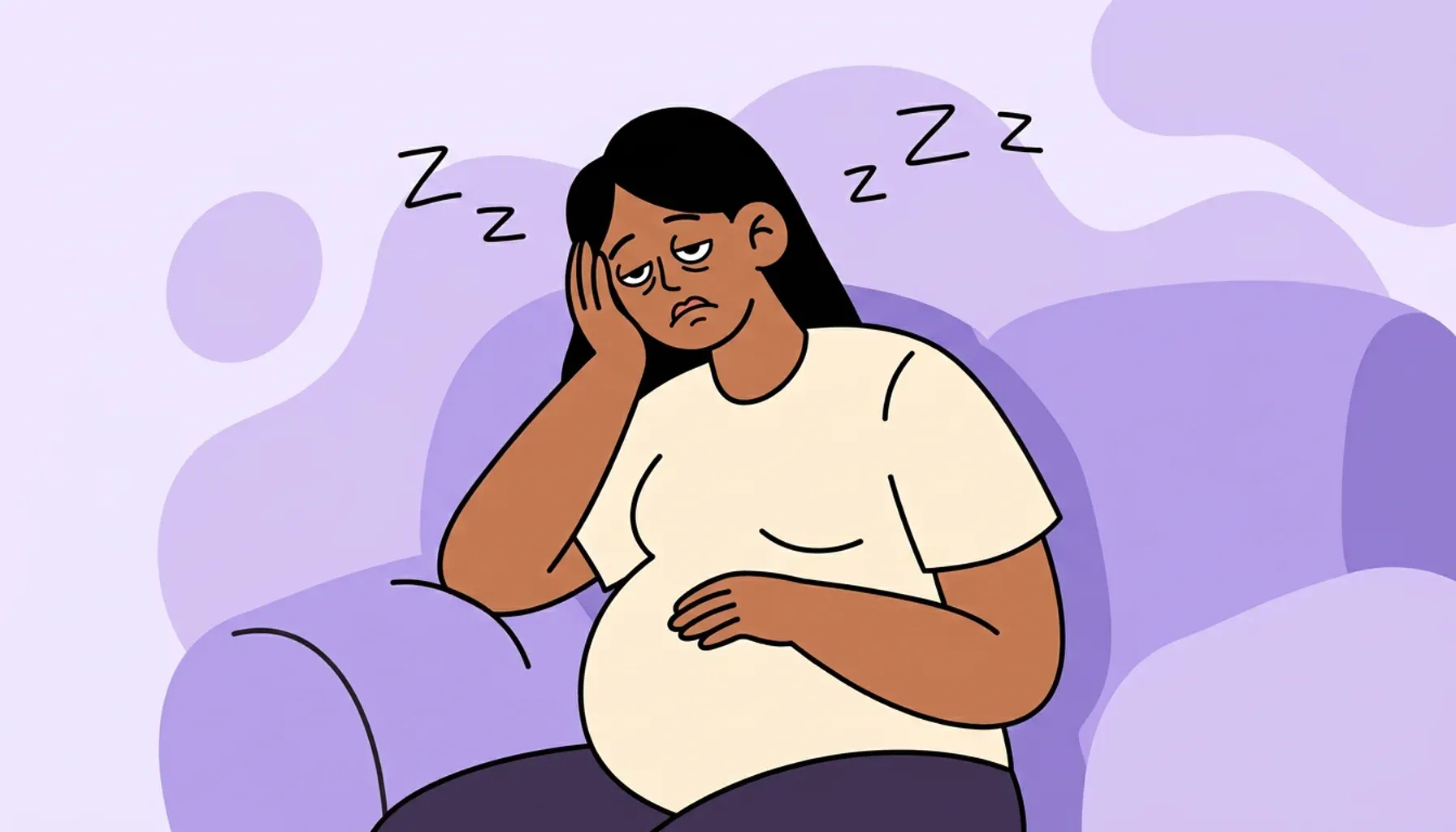

Why are you so tired?
This week, you may experience fatigue and morning sickness. Perhaps one minute you are overjoyed and the next you feel down [1]. Don’t worry, you’re okay. Your hormones are starting to work overtime.
During the first trimester, it is common to experience complex emotions — a mix of joy, confusion, and anxiety. For first-time mothers, waiting for the baby's arrival is especially difficult [2]. The unusual sensations in your body can cause anxiety, irritability, and tears. Morning sickness may cause nausea and vomiting, and, throughout the day, you may experience revulsion towards smells or foods that never bothered you before [3]. And at the same time, your appetite is increasing — you can’t wait for your next meal or snack! All of these signals are actually helpful. Feeling weak, tired, or dizzy can remind you to listen carefully to your body and take care of yourself.
Most importantly, all of this is normal. The developing baby, described in the previous section, requires a ton of your body’s energy and resources, so be kind to yourself! Take naps and rest wherever you can. If you are experiencing morning sickness or revulsion to odors, learn how to deal with these uncomfortable symptoms in our Tips section.
While the baby is beginning to develop, your body is also changing and growing — the placenta forms and the uterus grows (now it’s about the size of a goose egg). Your level of hCG is increasing. The uterine isthmus softens and the cervical canal closes, filling with a viscous mucus that protects the child from possible infection.
Many expectant mothers experience dry skin during this period, because many of your body’s resources, which used to go to the renewal and hydration of your skin, are now being redirected to your developing baby. In the Nutrition section, we talk about how to support healthy skin through a balanced diet.
The changes in your body can cause a relapse of chronic inflammation of the pelvic organs. If something bothers you, tell your doctor right away so that you can start treatment, if necessary.
Discharge
Normally, discharge will be a light milky color, with a uniform consistency and a slightly sour smell. Sometimes hormonal changes and a decrease in immunity can cause yeast infections to develop. In this case, discharge becomes more abundant and curdled, with a sharp acidic odor, and is usually accompanied by painful itching and burning. Consult a doctor if the discharge changes or if you experience pain.
At this time, bloody discharge may also appear. This isn’t a cause for alarm, but do make sure to inform your doctor.