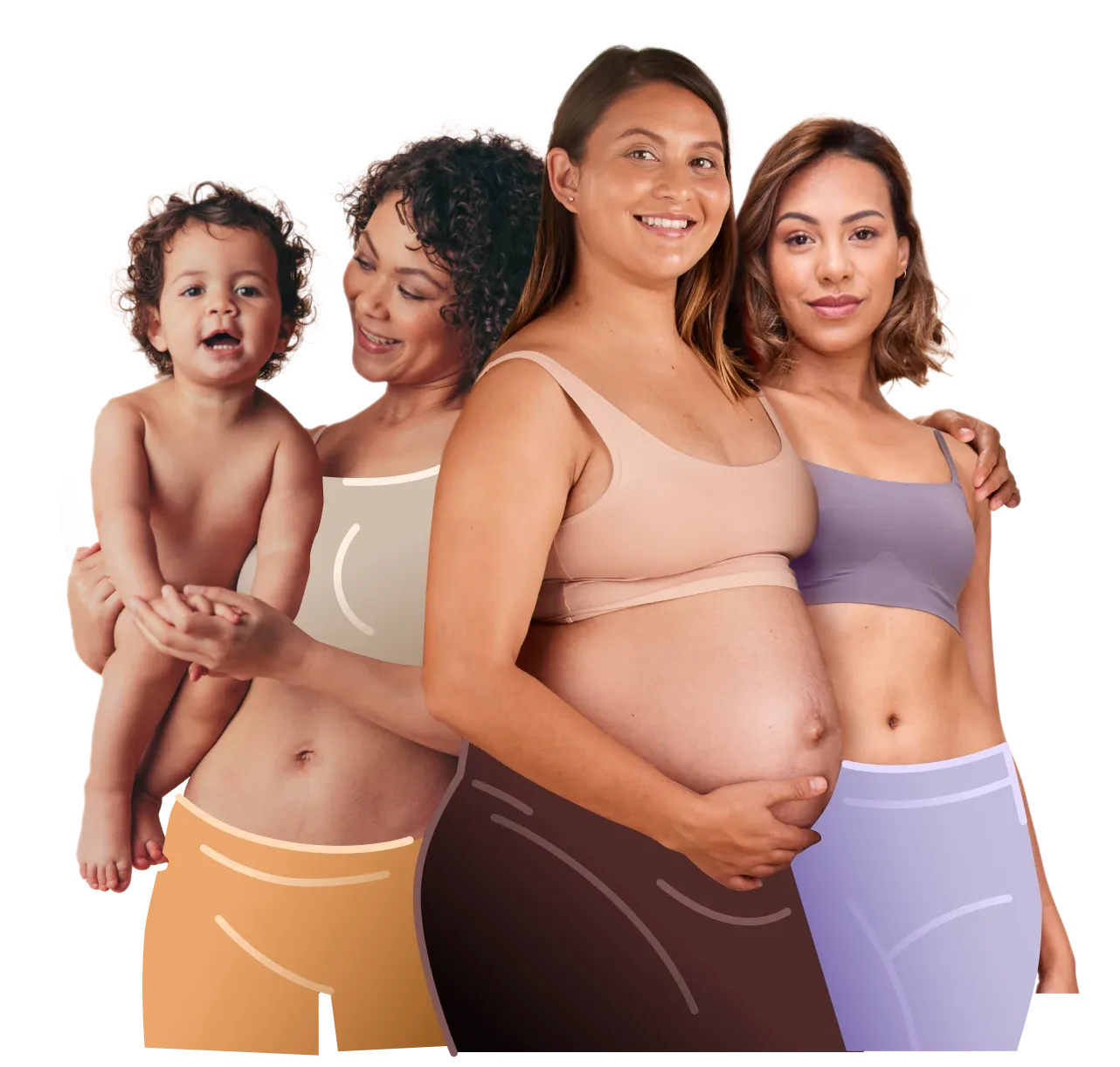

With some acne medicines on the banned list for pregnant women, this skin condition can be a challenge to treat during this time. Here’s what you need to know.
Why does acne appear during pregnancy?
Acne during pregnancy is mostly the result of changing hormone levels. From the early days of pregnancy, progesterone levels increase and intensify the activity of sebaceous glands [1]. Excess oil production in the skin can clog pores; if bacteria enters the clogged pore, an inflammatory process begins, resulting in a pimple.
How can I treat acne while expecting?
The most important thing you can do is take proper care of your skin.
Wash your face twice a day with a gentle cleanser and warm water
Avoid squeezing pimples
Use light, oil-free creams or lotions
Wash your hair daily if you get acne along the hairline
Use makeup and sunscreens labeled "water-based" or "non-comedogenic" [1, 2].
It is a myth that all acne treatments have to be avoided during pregnancy. Some ingredients are considered safe to use, including:
azelaic acid
glycolic acid
salicylic acid
benzoyl peroxide [2].
Can I use prescription acne treatments?
Most prescription creams and medications for acne are contraindicated during pregnancy and should be avoided. They include:
skin care products with retinol, in all its forms
hormonal acne ointments
oral antibiotics such as tetracycline
isotretinoin should NEVER be taken when pregnant or if pregnancy is suspected, as it can cause serious birth defects. A reliable birth control method (or two) should always be used when under treatment with this medication [2].
Creams or lotions that have the antibiotic clindamycin are considered safe. However, you should consult your obstetrician or dermatologist before using them during pregnancy [3].
Can I have a facial during pregnancy?
Laser and light treatments are considered relatively safe for pregnant women. However, you should first consult with a dermatologist. Avoid treatments that involve any type of anesthesia (topical or otherwise), as it can be hazardous during pregnancy [3].