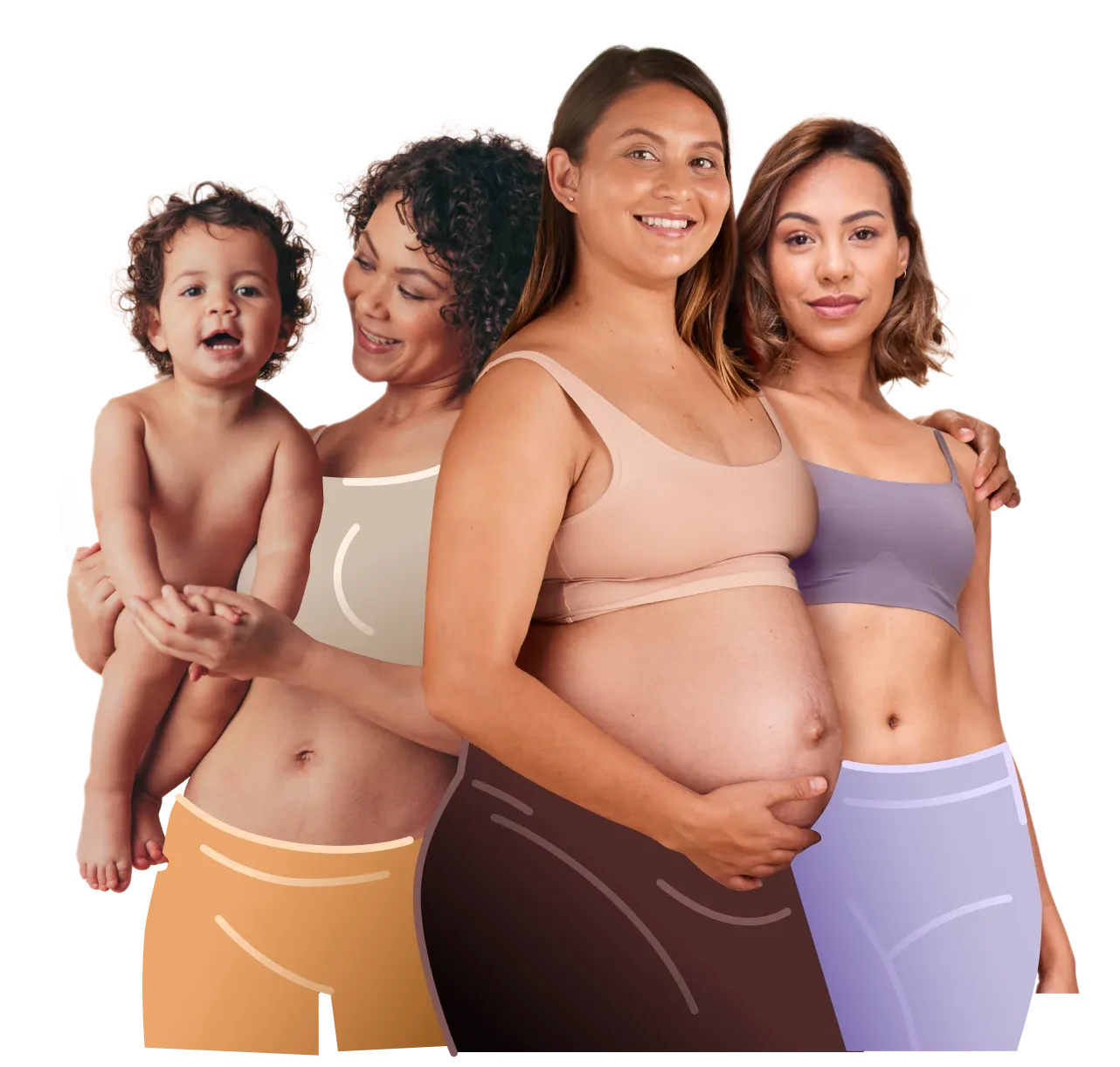

Normal physiologic labor and birth are powered by the innate human capacity of the woman and fetus [1].
The World Health Organization (WHO) first called for the elimination of unnecessary interventions in childbirth back in 1996. Since then, most practitioners have largely independently decided which interventions are necessary and which aren’t (sometimes without discussing those interventions with the expectant mother). Because of concerns that interventions are not being administered responsibly, the WHO released an updated guide in 2018, strongly supporting physiological birth [2].
What exactly is "physiological birth"?
Childbirth is a physiological process that can occur without complications for the majority of women and babies. It includes [2]:
labor that begins at term (after 39 weeks of pregnancy), without medical inducement;
all stages of labor including contractions, cervical dilation, delivery of baby and placenta occur without medical intervention;
vaginal birth;
moderate blood loss from childbirth;
baby being immediately laid on the mother’s chest or belly after birth (skin-to-skin contact);
immediate breastfeeding after birth.
Why is a guide from the WHO necessary?
The guide allows doctors to distinguish prolonged—but normal— physiological processes from real threats to the health of the mother and baby. It asserts that there is no standard duration for childbirth. When interventions are necessary, doctors should consult with the mother to discuss potential options for safe delivery to protect the positive experience of childbirth and the health of the mother and baby [2].
What role do birth partners play in physiological childbirth?
The presence of a supportive partner provides the mother in labor with psychological comfort, which can support physiological processes. She is also less likely to need pain relief or surgical intervention [2]. The supportive partner may be her spouse, a trusted family member, or a close friend.
What are the birth positions recommended by the WHO?
Giving birth on your back is the least natural position, yet almost 70% of women worldwide give birth lying on their backs. This position is convenient for the medical team, but not for the laboring mother. It’s actually the position that most often leads to the need for intervention.
Which positions are more natural and supportive of physiological birth? Standing and moving around, squatting, kneeling, or getting on all fours [3]. These positions support an easier birth and can help to make the process of giving birth a little easier.
Don’t I need to lie down for a CTG (cardiotocography)?
Yes. But you don’t need a CTG throughout the entire labor! Your doctor can listen to the baby's heartbeat for a while, for example, 20 minutes, if there is cause for more careful monitoring, and then you can take a walk, bounce on an exercise ball, sit up, or even take a shower!
Does epidural anesthesia fit in with physiological birth?
WHO recommends leaving this entirely up to the mother. It depends on how you tolerate pain, not on any external factors. Physiological birth can include relaxation techniques, such as massage, local and epidural anesthesia, and intravenous opioids. What is not recommended is the use of pain relievers with the potential to slow down labor (which can be a side effect of some methods) [2].
This article was created in association with UNFPA, the United Nations sexual and reproductive health agency.