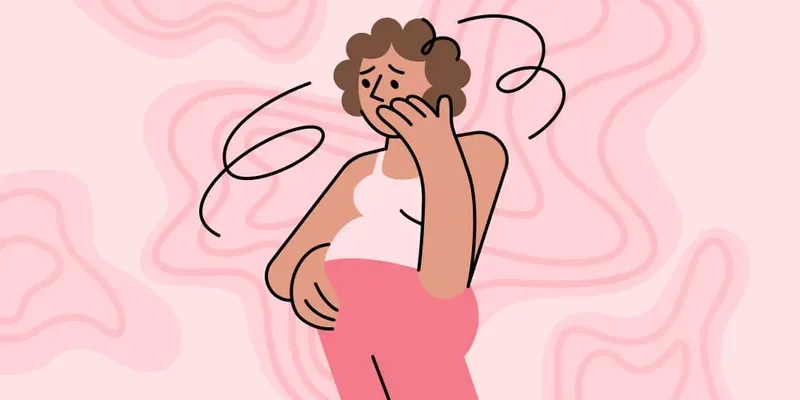

By the third trimester, almost 80 percent of expectant mothers will experience heartburn [1]. It is not a dangerous condition, is not associated with any complications, and goes away by itself after childbirth. But it can be very uncomfortable.
What is heartburn?
The condition can be described as a burning sensation behind the breastbone, sometimes rising to the throat. Coughing in response to the irritation is a common side effect. Most pregnant women experience heartburn after waking up or immediately after eating.
What causes heartburn?
During pregnancy, the two main causes behind heartburn are hormones and your growing uterus. Hormones cause the valve between the esophagus and the stomach to relax, and your growing baby bump causes pressure from below. As a result, acid is pumped from the stomach up to the esophagus. The stomach has a membrane that protects its walls from acid, but the esophagus does not, resulting in the dreaded burning sensation. Since this type of heartburn disappears after giving birth, it usually doesn’t cause any lasting or serious side consequences [1].
How can I get some relief?
Pregnant women suffering from heartburn are often advised to give up things like coffee and fatty, sweet, and spicy foods. They are also told to eat smaller and more frequent meals. Common recommendations include keeping the upper body slightly elevated during sleep with an extra pillow or a wedge-shaped pillow so that gravity can help keep the stomach acids from rising. Unfortunately, clinical studies have not confirmed the effectiveness of these suggestions [2].
Antacids can be effective at reducing heartburn. They help neutralize acid and significantly reduce the burning sensation [2]. Most antacids are safe to take during pregnancy because they do not affect the baby, but researchers recommend choosing antacids made of calcium or magnesium because these trace elements can also reduce the risk of preeclampsia [2].
Should antacids be taken regularly?
Antacids don’t have to be taken on a schedule because they do not help prevent the condition; they simply relieve the burning sensation when it occurs. So use them only when you get heartburn and within the guidelines given by your doctor.