EN
try amma today
5 Tips for Baby Sleep
New Parent

5 Tips for Baby Sleep

2 min readWeek 9
Key takeaways
2 min
  • Always place babies on their back to sleep, not on their side or stomach, to reduce SIDS risk by 40%.
  • Choose a firm mattress for cribs and strollers that doesn't cave under baby's weight, and avoid using pillows.
  • Skip blankets and opt for pajamas or swaddles to prevent airflow blockage around baby's face.
  • Avoid forcing sleep schedules - follow your baby's natural cues for sleeping and waking periods.
  • Remember that formal sleep guidelines only apply to babies over 4 months old.

For safe baby sleep, always place infants on their back, use firm mattresses without pillows, avoid blankets in favor of swaddles or pajamas, and follow baby's natural sleep cues rather than forcing schedules.

amma app

Track your pregnancy in the app

Personalized content for your pregnancy week

Download App

5 Tips for Baby Sleep

Babies under one year of age spend most of their time asleep [1]. This makes some parents worry about how and where they are sleeping. Here are five simple tips:

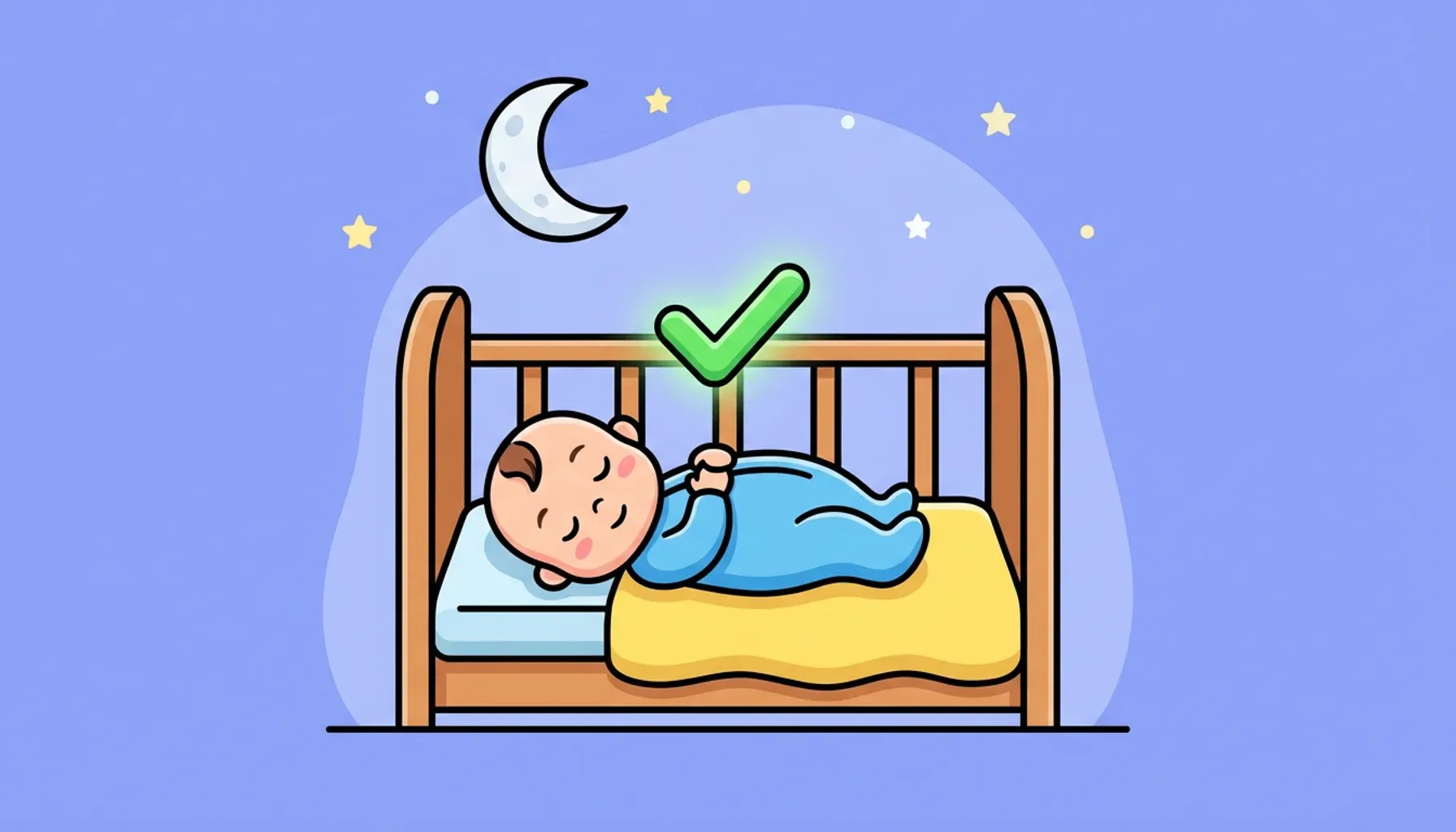
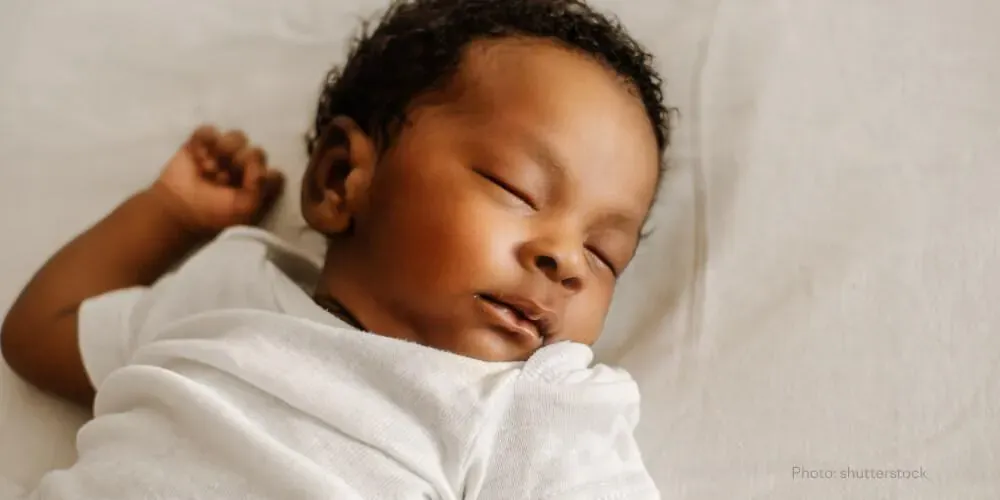
  1. Place babies on their back. Not on their side or stomach. The American Academy of Pediatrics believes that this reduces the statistics of sudden infant death syndrome by 40% [2].
  2. No need to move baby if they roll over. Once babies are able to shift and roll over, it means that their muscles are strong enough and they will not accidentally suffocate by burying their nose in the mattress.
  3. Do not cover babies with a blanket. Better to put on pajamas or wrap in a swaddle as blankets could get caught on baby’s face and block air flow.
  4. Do not force baby to sleep. It is tiresome for you try and useless for infants. If baby is awake and in the mood to communicate, communicate. If baby wants to sleep, they will fall asleep. Sleep guidelines have been developed only for babies over four months of age [1]. For the first four months, such guidelines simply do not exist.
  5. Choose a firm mattress that does not cave under the weight of the baby for both the crib and the stroller. Also babies don't need pillows [2].

  1. Recommended Amount of Sleep for Pediatric Populations: A Consensus Statement of the American Academy of Sleep Medicine. Paruthi S., Brooks L. J., D’Ambrosio C., et al. J Clin Sleep Med., 2016.

  2. Changing Concepts of Sudden Infant Death Syndrome: Implications for Infant Sleeping Environment and Sleep Position. Pediatrics, March 2000, 105, 3. P. 650–656. DOI:

Frequently asked questions

The safest sleep position is on their back, not on their side or stomach. The American Academy of Pediatrics states this reduces sudden infant death syndrome statistics by 40%.

No, avoid blankets as they can block airflow if they cover baby's face. Instead, use appropriate pajamas or wrap baby in a swaddle for warmth.

Choose a firm mattress that doesn't cave or indent under your baby's weight. This applies to both crib and stroller mattresses for safe sleep.

Formal sleep guidelines are developed for babies over 4 months of age. For the first four months, these structured guidelines simply don't exist.

No need to move baby if they roll over on their own. Once babies can shift and roll, their muscles are strong enough to prevent accidental suffocation.

Medical Disclaimer

This article is for informational purposes only and is not a substitute for professional medical advice, diagnosis, or treatment. Always seek the advice of your physician or qualified health provider with any questions you may have regarding a medical condition.

Meet our medical experts

Medically reviewed content

Reviewed by healthcare professionals · Updated September 8, 2024

Track your pregnancy on the go

Rated 4.8417,594 reviews