EN
try amma today
How should baby sleep?
New Parent

How should baby sleep?

2 min read
Key takeaways
2 min
  • Always place babies on their backs to sleep, as this practice has reduced SIDS incidents by nearly 50% since 1992.
  • Create a safe sleep environment with a firm mattress, no pillows or blankets, and room-sharing without bed-sharing.
  • Implement supervised tummy time for 2-15 minutes daily when baby is awake to support motor development and prevent delays.
  • Maintain a smoke-free environment in the baby's sleep area and follow safe sleep guidelines until at least 4 months old.
  • Expect temporary motor delays with back sleeping, but know children catch up completely by 18 months when walking begins.

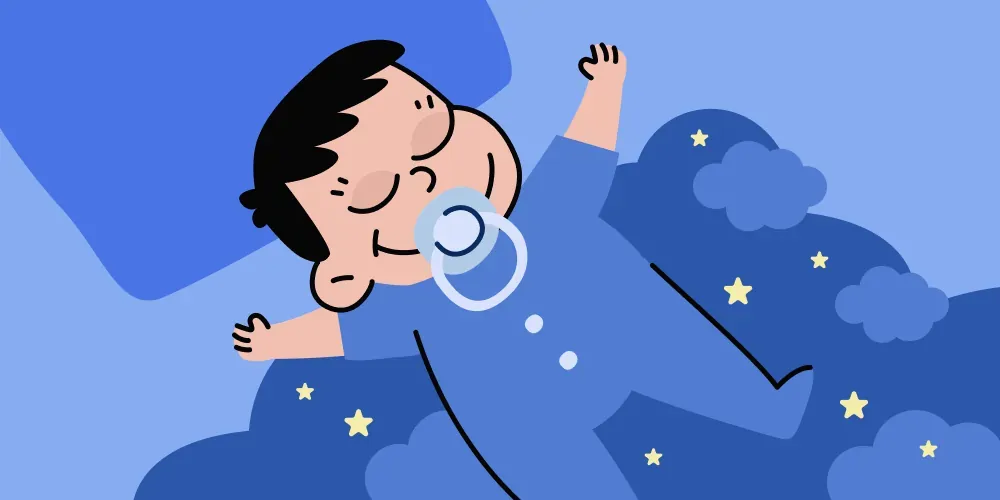
Babies should sleep on their backs on a firm mattress without pillows or blankets. Room-share but don't bed-share with parents, and maintain a smoke-free environment. Follow these guidelines until at least 4 months to reduce SIDS risk.

amma app

Track your pregnancy in the app

Personalized content for your pregnancy week

Download App

Since 1992, the American Academy of Pediatrics has recommended laying newborns exclusively on their backs. Since then, the incidence of sudden infant death syndrome (SIDS) has almost halved. Pediatricians believe that these circumstances are related [1].

When babies sleep on their backs, tragic events happen less often [1]. However, it has not been proven that sleeping on the stomach directly causes infant death. So following this one rule isn't enough to keep the baby safe. Some extra safety measures need to be taken.

Babies should sleep:

  • on their back;

  • on a firm mattress;

  • without pillows and blankets;

  • in the same room — but not in the same bed — with parents.

It is also important that no one smokes in the room where the baby sleeps. These rules should be followed at least until the baby is four months old [1].

Is it true that sleeping on the back leads to a motor delay?

Indeed, babies who have slept on their stomachs start to crawl, sit up, and even roll over faster [2]. However, scientists found that the difference in development goes away completely after a year and a half. Children who slept on their backs quickly catch up to their peers who slept on their stomachs when they start walking [3]. 

Can tummy time prevent the delay?

Yes. This is the method recommended by pediatricians all over the world. When babies are not sleeping and are under the supervision of parents, let them spend time on their tummies — for at least 2-15 minutes a day. This will not only improve motor skills, but also reduce the risk of developing obesity, doctors say [4].

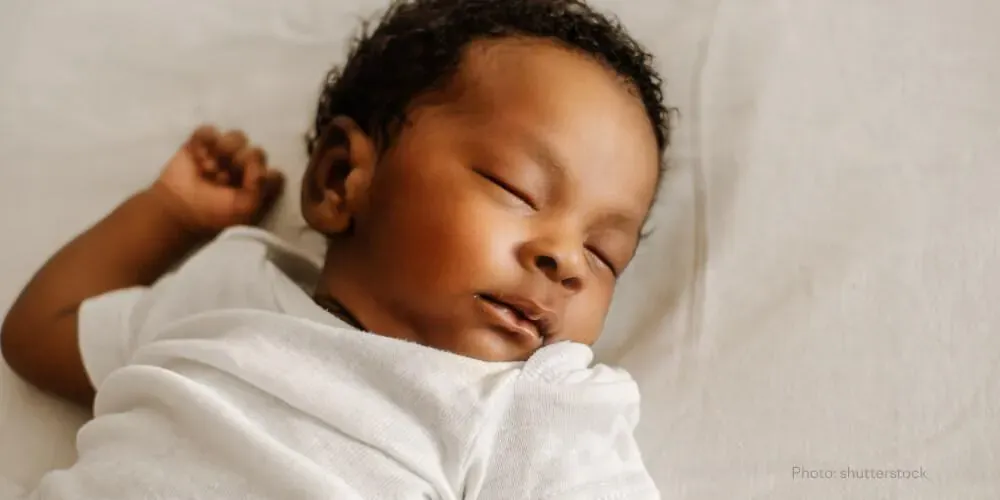
Photo: shutterstock


Frequently asked questions

The safest sleep position for babies is on their back. The American Academy of Pediatrics has recommended back sleeping since 1992, which has reduced SIDS cases by nearly 50%.

Babies should not sleep with blankets and pillows until at least 12 months old. For the first year, use a firm mattress with only a fitted sheet in a bare crib for safety.

Back sleeping may cause temporary motor delays, with babies reaching milestones like crawling slightly later. However, these delays completely disappear by 18 months, and children catch up to their peers.

Babies should have at least 2-15 minutes of supervised tummy time daily when awake. This helps develop motor skills and reduces the risk of obesity while maintaining safe back sleeping practices.

Yes, babies should sleep in the same room as parents but not in the same bed. Room-sharing without bed-sharing reduces SIDS risk while allowing easy access for feeding and comfort.

Medical Disclaimer

This article is for informational purposes only and is not a substitute for professional medical advice, diagnosis, or treatment. Always seek the advice of your physician or qualified health provider with any questions you may have regarding a medical condition.

Meet our medical experts

Medically reviewed content

Reviewed by healthcare professionals · Updated September 2, 2024

Track your pregnancy on the go

Rated 4.8417,594 reviews