EN
try amma today
Baby Blues vs. Postpartum Depression: What’s the difference?
New Parent

Baby Blues vs. Postpartum Depression: What’s the difference?

2 min read
Key takeaways
2 min
  • Recognize that baby blues affect 85% of new mothers and typically resolve within two weeks, while postpartum depression affects 10-15% and requires professional treatment.
  • Monitor your symptoms beyond the two-week mark - if mood issues persist or worsen, consult your healthcare provider immediately.
  • Understand that postpartum depression can develop even months after childbirth, regardless of whether you experienced baby blues initially.
  • Seek early therapy intervention when possible, as prompt treatment may help avoid medication in many cases.
  • Know that some antidepressants are safe during breastfeeding - discuss all options with your doctor rather than suffering in silence.

Baby blues affect 85% of new mothers with tearfulness and mood swings that resolve within two weeks. Postpartum depression affects 10-15% of mothers, lasts longer than two weeks, and requires professional treatment unlike baby blues which typically resolve naturally.

amma app

Track your pregnancy in the app

Personalized content for your pregnancy week

Download App

Baby blues manifest as a sharp drop in mood, general tearfulness, and increased fatigue in the second week after childbirth [1]. These emotional extremes usually subside on their own. However, postpartum depression (PPD) can develop in about 10-15% of cases [2].

Does everyone have baby blues?

Almost. On average, it affects 85% of women [2]. Following childbirth, estradiol, progesterone, and prolactin levels drop dramatically. Such significant hormonal changes cause mood swings. Baby blues are typically more severe in women who have previously experienced PMS [3]. Add to this the lack of sleep and stress of caring for a newborn. Naturally, you will want to cry!

Can you handle baby blues?

Probably not. Baby blues following childbirth are as unavoidable as sleep deprivation. For a few days (or weeks), you simply have to live it. However, if your mood does not stabilise within two weeks, you should consult your doctor. There is a possibility of developing postpartum depression [2].

If the baby blues pass, does this mean you are no longer at risk for PPD?

Unfortunately no. Depression can start a month or three after childbirth. It is much less likely, but it can develop even in women who have completely recovered from the baby blues [4]. That is, if signs of depression appear two weeks after childbirth and then again later, you should not expect that it will go away on its own.  

Can nursing mothers take antidepressants?

Increased fatigue and tearfulness could have physiological causes, such as low iron levels and thyroid issues. Physicians must therefore rule these out [2].

Once the physiological causes have been eliminated, you should consider therapy. The sooner depression is treated with therapy, the more likely it will be possible to avoid medications. In severe cases, mothers may be prescribed antidepressants.

Most antidepressants pass into breast milk. However, some can be used while breastfeeding full-term babies. Ask your doctor about your options. However, if your baby was born prematurely, your doctor will most likely recommend switching to formula before starting antidepressants [2].

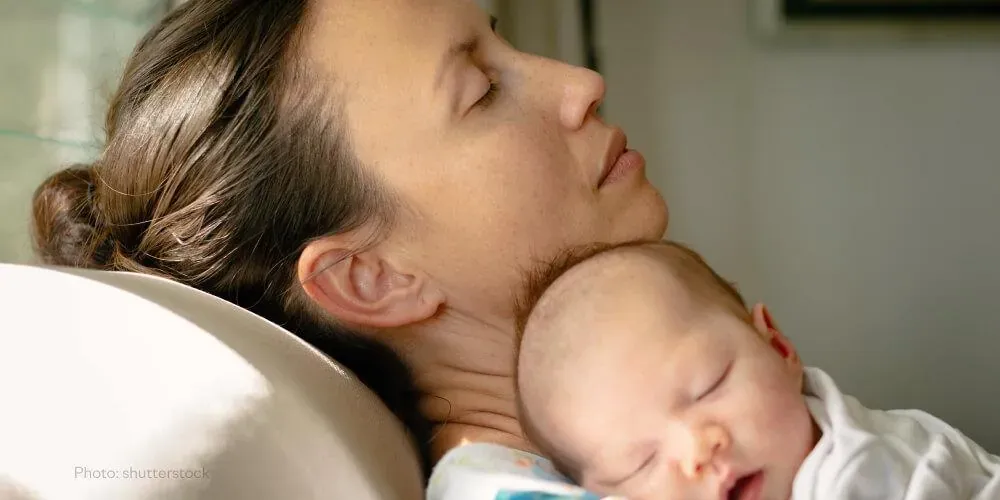
Photo: shutterstock

Frequently asked questions

Baby blues typically last up to two weeks after childbirth. If symptoms persist beyond two weeks or worsen, this may indicate postpartum depression and requires medical evaluation.

Approximately 85% of women experience baby blues after childbirth. Postpartum depression affects about 10-15% of new mothers and is a more serious condition requiring professional treatment.

Some antidepressants are safe for breastfeeding full-term babies, though most do pass into breast milk. Your doctor can recommend safe options based on your specific situation.

Yes, postpartum depression can develop months after childbirth, even in women who completely recovered from baby blues. Depression symptoms appearing after the initial two-week period should not be ignored.

Medical Disclaimer

This article is for informational purposes only and is not a substitute for professional medical advice, diagnosis, or treatment. Always seek the advice of your physician or qualified health provider with any questions you may have regarding a medical condition.

Meet our medical experts

Medically reviewed content

Reviewed by healthcare professionals · Updated September 8, 2024

Track your pregnancy on the go

Rated 4.8417,594 reviews