EN
try amma today
How to stimulate communication skills in your baby
New Parent

How to stimulate communication skills in your baby

2 min read
Key takeaways
2 min
  • Repeat your baby's sounds while making eye contact to encourage brain development and early communication skills.
  • Use your baby's name frequently during interactions to help them recognize their identity and develop speech patterns.
  • Respond enthusiastically to baby talk as if you understand what they're saying to build confidence in verbal expression.
  • Ask simple questions and wait for responses to create interactive conversations that prepare them for real speech.
  • Introduce simple words that sound similar to your baby's babbling to bridge the gap between sounds and language.

Stimulate your baby's communication skills by repeating their sounds, using their name frequently, responding enthusiastically to babbling, asking simple questions, and introducing real words that sound similar to their vocalizations.

amma app

Track your pregnancy in the app

Personalized content for your pregnancy week

Download App

Even though your baby won’t start speaking until they are a toddler, because the speech centers in the brain still need to mature, babies can develop social skills before they utter their first words.

Repeat the sounds your baby makes

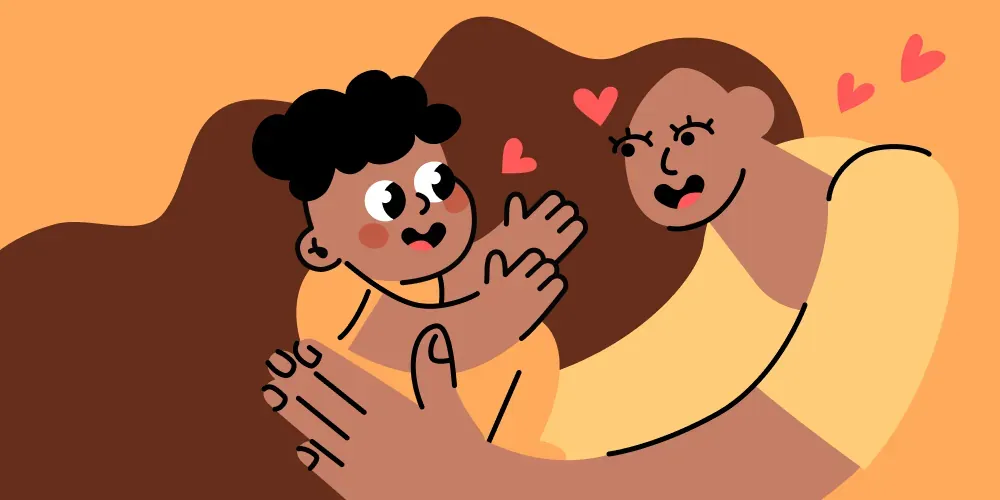
Look into your baby’s eyes and repeat the sounds they make. It’s important for the child to understand that their mother and father hear and react to their babbling. This type of communication can positively affect your child’s brain development [1, 2].

Introduce simple words

While imitating your toddler’s vocalizations, incorporate real words with similar sounds.

Respond to your child's “baby talk”

React as if you recognize what your baby is “saying” to you. It may seem silly, but it’s important for your baby. This is excellent practice for the first verbal interactions you will be able to have with them when they are between 1 and 2 years of age.

Ask your baby questions

Ask your baby a question (for example, “who’s mommy’s baby?”), wait for a "response," react enthusiastically, and then ask another question. It’s a fun activity for both of you!

Call your baby by their name

When your baby hears their name frequently, they gradually understand that the sound is specifically associated with them. This discovery is one of the starting points for developing speech and thinking!
Frequently asked questions

Start using your baby's name from birth during daily interactions. Frequent repetition helps babies gradually understand that the sound is specifically associated with them, which is crucial for developing speech and thinking skills.

Repeating your baby's sounds while maintaining eye contact shows them that you hear and respond to their vocalizations. This back-and-forth interaction positively affects brain development and lays the foundation for future conversations.

Any name works well for speech development as long as you use it consistently and frequently. The key is repetition and association rather than the specific sounds in the name itself.

Yes, always respond enthusiastically to your baby's babbling as if you understand what they're saying. This practice builds their confidence and prepares them for verbal interactions when they begin speaking between ages 1-2.

Medical Disclaimer

This article is for informational purposes only and is not a substitute for professional medical advice, diagnosis, or treatment. Always seek the advice of your physician or qualified health provider with any questions you may have regarding a medical condition.

Meet our medical experts

Medically reviewed content

Reviewed by healthcare professionals · Updated September 3, 2024

Track your pregnancy on the go

Rated 4.8417,594 reviews