EN
try amma today
Your older child is acting like a baby. What can you do?
New Parent

Your older child is acting like a baby. What can you do?

2 min read
Key takeaways
2 min
  • Recognize that regression is a normal developmental response to stress, not manipulation, and lost skills typically return within a few weeks.
  • Provide extra attention, hugs, and reassurance to address feelings of competition for parental love when a new sibling arrives.
  • Avoid shaming baby-like behaviors and instead offer alternatives like special drinks in regular cups or age-appropriate comfort activities.
  • Allow brief experimentation with baby items if requested, as most children quickly lose interest once they try it.
  • Focus on making your older child feel equally loved and valued to build healthy sibling relationships from the start.

When older children act like babies, it's called regression - a normal response to stress or change. Provide extra attention, avoid shaming the behavior, and offer patient encouragement. Most children return to their previous developmental level within a few weeks.

amma app

Track your pregnancy in the app

Personalized content for your pregnancy week

Download App

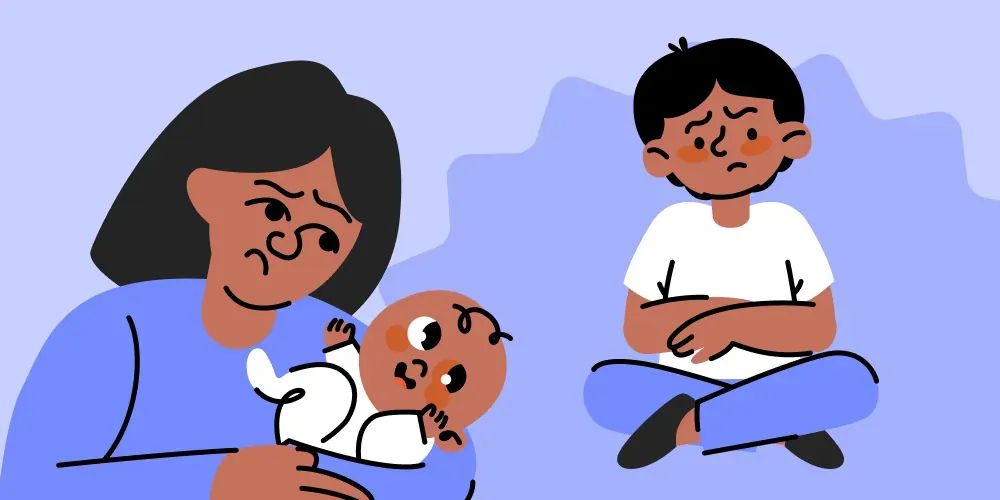
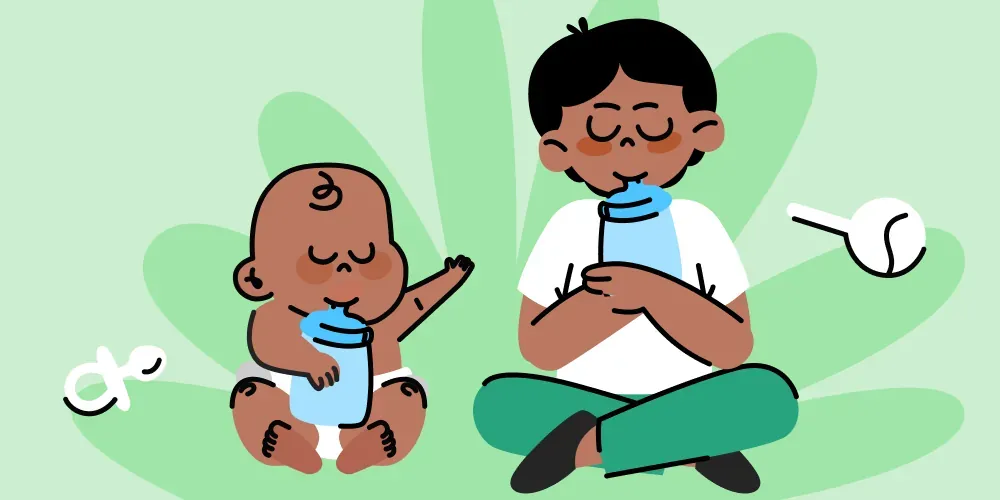
Your older child suddenly wants to nurse or have milk in a bottle. They may even want a diaper or ask to be spoon-fed. Let’s learn what is behind this behavior and how you can react.

The first reason is a slight regression in development [1], which results in the child losing newly mastered skills. They may ask for a binky, stop going to the potty, or refuse to go to sleep on their own . These behaviors should are not an attempt at manipulation or a whim; your child is just trying to adapt to a new situation. Imagine you just learned to drive a car and then moved to another country. Would you feel comfortable getting behind the wheel right away? No, you’d probably want to adjust. Your child is experiencing stress, and their skills will return within a few weeks [2]. In the meantime, be patient, avoid shaming them, and encourage their efforts.

Another reason behind the regression could be that the older child feels they have to compete for their parent’s love, a natural instinct meant to ensure survival [3]. There are many ways a child can try to attract attention; one is to imitate their new sibling’s behavior. Pay attention to your older child, hug them, take them in your arms, and remind them how much they are loved. If a child between the ages of two and five asks for the breast, pediatricians don’t see anything wrong in offering it; “most likely, the child will find the experience strange and forget the desire” [4]. Another option is to explain that breast milk and formula are meant for babies and not for older children, “but we can have some cocoa if you want”. One more option is to pour breast milk (or formula) into a mug and have them try it [5].

The main thing is to try to understand your child and not reprimand their “infant” behavior. Make it clear that they are loved, cherished, and appreciated. Making your children feel equally loved will help build a healthy relationship between them [6].

Frequently asked questions

This behavior is called regression and happens when children temporarily lose newly mastered skills due to stress or major changes like a new sibling. It's a normal developmental response, not manipulation, and skills typically return within weeks.

Pediatricians generally don't see harm in briefly allowing this behavior for children aged 2-5. Most children find the experience strange and naturally lose interest. You can also offer alternatives like special drinks in regular cups.

Regression typically lasts a few weeks as children adjust to new situations or stressors. With patience, encouragement, and extra attention, most children naturally return to their previous developmental level.

Give your older child extra attention, physical affection, and verbal reassurance about your love for them. Avoid shaming their baby-like behavior and focus on making them feel equally valued and cherished.

Yes, this is a common form of regression when children face stress or major life changes. Avoid punishment and instead provide patience and encouragement while they readjust to their circumstances.

Medical Disclaimer

This article is for informational purposes only and is not a substitute for professional medical advice, diagnosis, or treatment. Always seek the advice of your physician or qualified health provider with any questions you may have regarding a medical condition.

Meet our medical experts

Medically reviewed content

Reviewed by healthcare professionals · Updated January 20, 2025

Track your pregnancy on the go

Rated 4.8417,594 reviews