
Does your diet influence your child’s allergies?
This is one of the most difficult and controversial topics not only on mothers' forums, but also in the scientific community. Nutritionists, gynecologists, immunologists and geneticists are all interested in this topic, asking, “Which is better: exposing a baby child to allergens while in the womb or avoiding them altogether?”
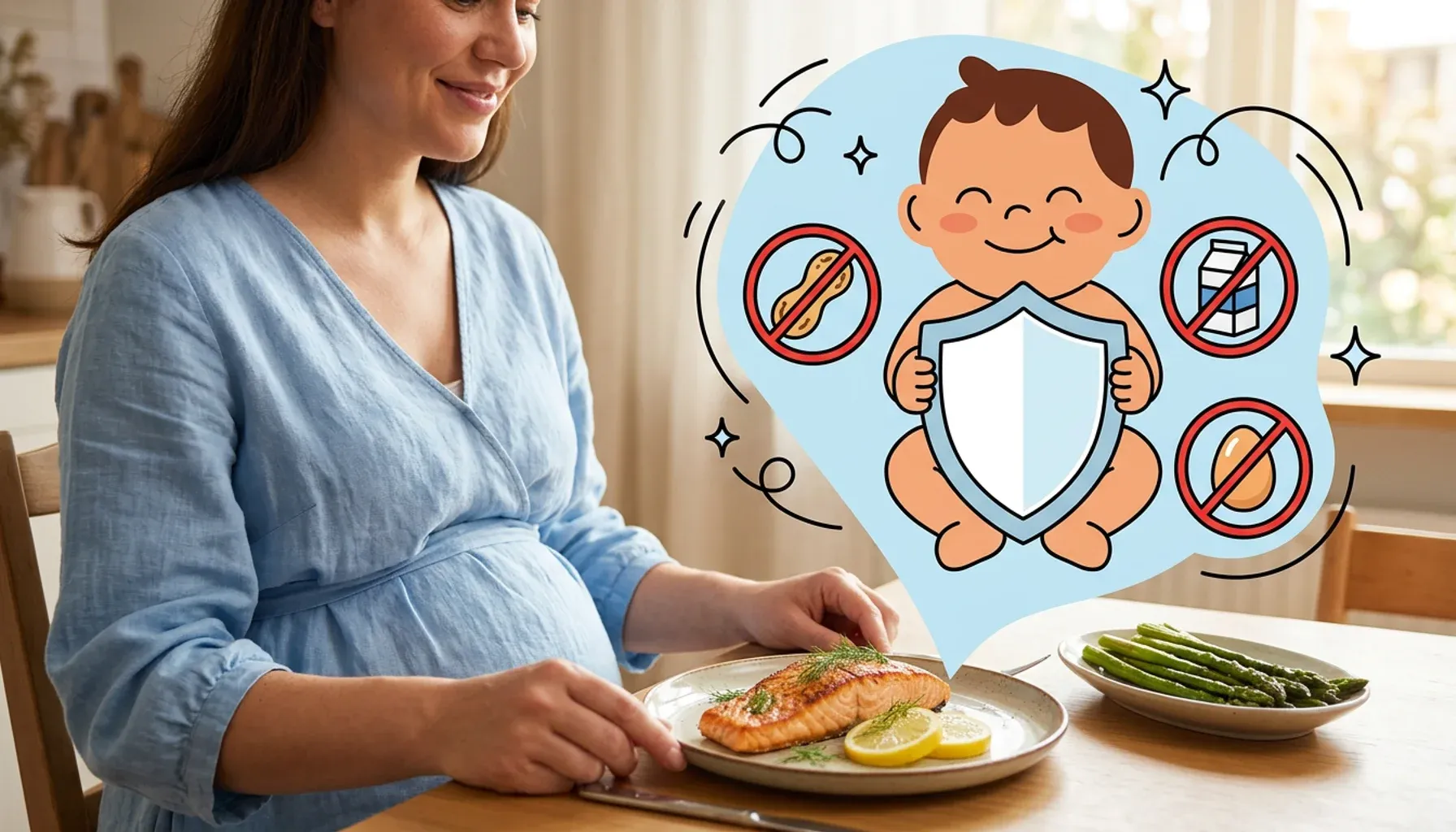
Yet this is not quite the right question. Fairly neutral foods can affect the likelihood of developing allergies. And known allergens sometimes act indirectly. For example, eating of citrus fruits during pregnancy increases the likelihood of a child's pollen allergy [1]. And the inclusion of fatty fish and other foods containing vitamin D and omega-3 fatty acids in your diet reduces your baby’s susceptibility to respiratory allergens [2]. Fish oil also reduces your child's sensitization to chicken eggs and peanuts, but quite possibly to many other foods as well. Therefore, it’s a great idea to eat fatty fish at least twice a week during the last trimester of pregnancy and during the first two months of breastfeeding [3].
Studies conducted in the United States have shown that if you eat peanuts during pregnancy, your baby is most likely not to be allergic to the nut. If you love milk and drink a lot of it, then you will provide your baby with additional protection against asthma and allergic rhinitis (at least from birth to school age). Further, the eating wheat products in the second half of pregnancy reduces the likelihood of atopic dermatitis in a child [4].
Do prebiotics and probiotics help prevent allergic reactions?
The positive (as well as the negative) role of prebiotics in the development of allergy has not been confirmed [3, 5]. But probiotics protect the child from atopic dermatitis and lactobacilli (cottage cheese, yogurt) can be of great benefit.
What foods protect against the development of allergies?
fatty fish;
milk, cultured milk products, yogurts;
peanuts and peanut butter;
whole wheat bread;
bulgur and spelt.