EN
try amma today
Extreme hunger: is this normal?
Pregnancy

Extreme hunger: is this normal?

2 min readWeek 16
Key takeaways
2 min
  • Understand that extreme hunger during pregnancy is normal due to hormonal changes, particularly leptin sensitivity shifts after the first trimester.
  • Expect to eat only about 15% more than usual (300-400 extra calories daily) despite feeling extremely hungry compared to early pregnancy.
  • Focus on nutrition quality rather than calorie counting, emphasizing vitamins and macro/micronutrients for healthy pregnancy weight gain.
  • Recognize warning signs of eating disorders during pregnancy and seek help if you become overly focused on restrictive eating patterns.
  • Remember that appetite changes are your body's way of adapting to support both you and your growing baby's nutritional needs.

Yes, extreme hunger during pregnancy is completely normal. It occurs when your body becomes less sensitive to leptin (the satiety hormone) after the first trimester, leading to increased appetite to support the extra 300-400 daily calories needed for your baby's growth.

amma app

Track your pregnancy in the app

Personalized content for your pregnancy week

Download App

Extreme hunger: is this normal?

Mama’s now eating for two!

During your first trimester, your body begins to produce large amounts of leptin, the “satiety hormone” [1]. Too much leptin can cause an extreme loss of appetite and provoke nausea, even when served your favorite foods, but what’s happening is baby is “tasting” all the foods in your normal diet. Your eating habits then change to accommodate baby’s tastes as your body responds positively or negatively to these foods. Your digestive system also begins to adapt to an upcoming increased intake of food [1, 2].

Once this process is complete, your body still retains a high amount of leptin (which scientists believe aids in milk production), but your body disables sensitivity to this hormone [2]. This leads to extreme hunger!

Though it may feel extreme, your appetite is only causing you to eat about 15% more than usual to take in the extra 300-400 daily calories needed for baby’s growth [3]. Not only is this perfectly normal, it’s important! It just feels jarring after your dampened appetite during the first trimester.

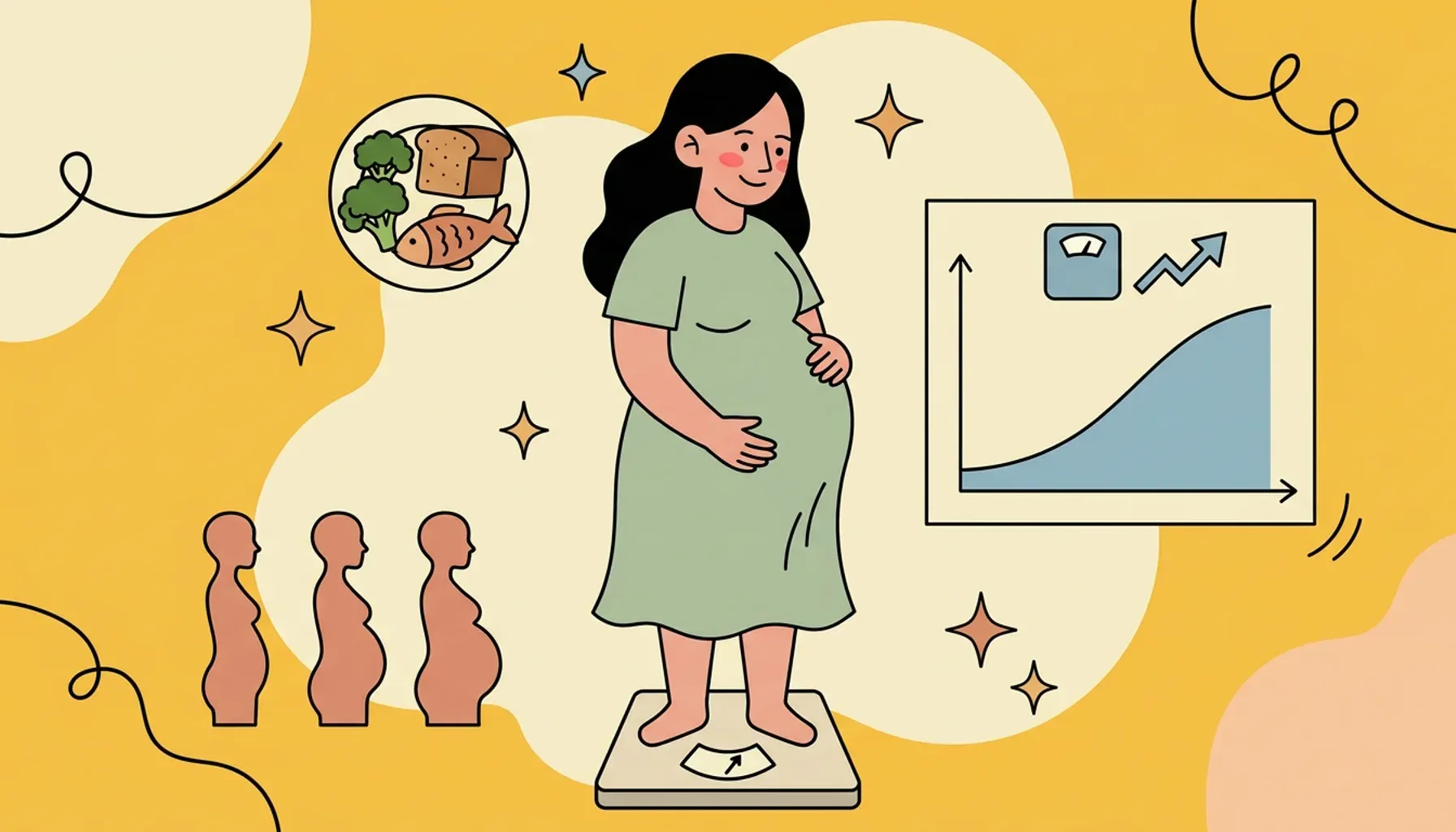
Roughly 7.5% of pregnant women experience eating disorders, including bulimia, binging, or anorexia. These eating disorders are not brought on by pregnancy, but are preexisting conditions. Some expectant mothers with eating disorders do not experience them during pregnancy [4]. If you find yourself overly focused on calorie counting, shift your attention instead to nutrition, including vitamins and macro- and micronutrients.
Frequently asked questions

Extreme hunger during pregnancy occurs due to hormonal changes, particularly when your body becomes less sensitive to leptin (the satiety hormone) after the first trimester. This natural process helps ensure you consume the extra 300-400 calories daily needed for your baby's growth.

Despite feeling extremely hungry, you typically only need to eat about 15% more than usual during pregnancy. This translates to an additional 300-400 calories per day to support your baby's development.

Yes, this is completely normal. High leptin levels in the first trimester often cause appetite loss and nausea, while decreased leptin sensitivity later in pregnancy leads to increased hunger.

Be concerned if you become obsessively focused on calorie restriction, experience binging episodes, or have extreme anxiety about weight gain. About 7.5% of pregnant women experience eating disorders that require professional support.

Focus on nutrition quality rather than quantity. Prioritize getting adequate vitamins, minerals, and balanced macro/micronutrients to support healthy pregnancy and fetal development.

Medical Disclaimer

This article is for informational purposes only and is not a substitute for professional medical advice, diagnosis, or treatment. Always seek the advice of your physician or qualified health provider with any questions you may have regarding a medical condition.

Meet our medical experts

Medically reviewed content

Reviewed by healthcare professionals · Updated June 8, 2025

Track your pregnancy on the go

Rated 4.8417,594 reviews