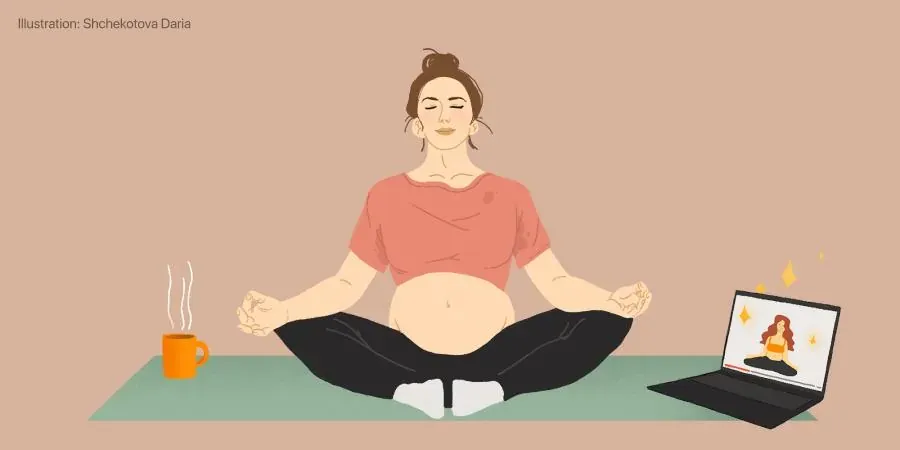

When you're pregnant, life begins to feel like walking on a tightrope. With all the advice people give you, it feels like there are dangers all around.
There’s no end to the warnings you'll hear: It’s harmful to use electronic gadgets all the time. Don’t wear cosmetics: you never know what dangerous substances are in them. Do eat fish. Don’t eat fish. Exercise, but don’t over do it.
It's time to admit: there is no perfect pregnancy. You will not be able to take into account all the recommendations on how to eat, what to drink, what things to avoid, and what things you must do.
But aren’t these things scientifically proven?
Some of the recommendations are very important. For example, doctors have no doubt that alcohol use is harmful to a baby [1]. But many other tips are not so straightforward. Some well-known recommendations are just myths and others are debated among scientists. Every year, new studies appear and many of them contradict each other.
Where, then, do all these rules come from?
People at all times have had many customs and prohibitions regarding pregnancy and they are different in every culture. Often they are based on a magical worldview, the belief that some kind of rituals protect from danger and bring happiness [2]. These can be understood as a kind of psychological defense against unpredictability. When you believe that there are clear rules of the game, you feel that life is coming back under control.
The problem is that rules and guidelines are calming only if you follow them. When you miss something, panic arises. Especially in the modern world, where there is too much information [3]. The truth is, it's impossible to foresee everything. You cannot control everything [3].
What should I do?
Observe yourself: how do tips and tricks affect your well-being? If the rules comfort you, then keep following them. If a rigid framework makes you nervous, then just relax and forget about most of them. A single oversight cannot significantly affect pregnancy. And besides, there are a huge number of things that do not depend on you or what you do at all [3].
Get in the habit of paying attention to what you are doing right. And ignore the information about possible risks, as well as frightening stories from the Internet. This skill will help you in parenting too. Raising children is a complex process where not everything goes according to plan. All moms and dads make mistakes. But you don't need to beat yourself up every time you realize that you could have done better. Do what you can — that's enough.