EN
try amma today
Friendships during pregnancy: Did you change or did they?
Pregnancy

Friendships during pregnancy: Did you change or did they?

3 min readWeek 21
Key takeaways
3 min
  • Understand that negative reactions to pregnancy news often reflect your friend's own worries, fears, or painful experiences rather than their feelings about you personally.
  • Address strange behavior directly by having honest conversations that clarify you value the friendship and want it to continue despite changes.
  • Balance pregnancy talk with genuine interest in your friend's life to avoid making every conversation solely about your pregnancy journey.
  • Tell friends who've experienced miscarriage or fertility struggles about your pregnancy privately and acknowledge their situation with empathetic words.
  • Recognize that friends may fear losing you or feel your pregnancy doesn't align with their lifestyle choices, causing them to withdraw unconsciously.

Friendships during pregnancy often change due to friends' personal fears and experiences rather than your pregnancy itself. Friends may become distant due to fertility struggles, lifestyle differences, or fear of losing the friendship, requiring open communication and empathy to maintain strong connections.

amma app

Track your pregnancy in the app

Personalized content for your pregnancy week

Download App

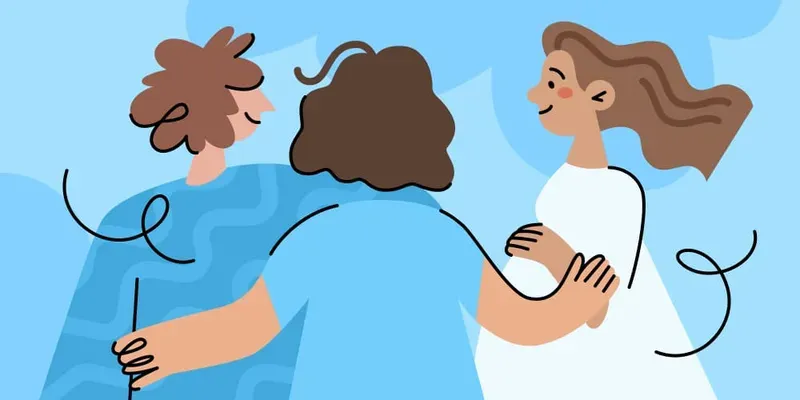
It’s important to be aware that news of pregnancy can bring up uneasy feelings in some people. When your belly starts showing and it’s time to tell a wide range of friends and acquaintances about pregnancy, you may get a lot of different reactions. Probably, you have already been bombarded with congratulations and words of wisdom. But sometimes people react strangely to good news. Someone becomes colder, others try to avoid the topic of pregnancy. Some people may show aggression. When close friends react in a way that surprises you, remember it’s probably not about you.

Why do some people react negatively to the news of pregnancy?

A negative reaction is always a reflection of a person’s own worries and questions. For example, a friend who has no children and has no plans to have them, may unconsciously believe that your news means that you does not accept her lifestyle. In addition, she may worry that now that you are having a baby, you may no longer value or have time for her friendship. To cope with her concerns, she may begin to avoid you — consciously or unconsciously — right now [1].

Your news may also bring up painful feelings for couples who are unsuccessfully trying to conceive. This may bring up feelings of jealousy or they feel inferior and question why you got pregnant when they didn’t. Not all women — even those who are actively trying to conceive — will feel this way though, so it’s important not to presume that they will [1].

Similar emotions are experienced by women who have experienced miscarriage. This is grief that can linger for many years. Their happiness for your news may be laced with feelings of irritation, envy or even anger. On top of that, they may also feel ashamed of holding these negative emotions [1].

What should I do if my friend is acting strange?

It’s best to ask direct questions about your friend’s reaction. Having an honest and open conversation will help you clear up misunderstandings, settle conflict, and rekindle your friendship. Make it clear that you value your friendship very much and want it to continue [2].

It is also a good idea to do some self-reflection. Perhaps all you do is talk about your vomiting and stretch marks. Be sure to balance your pregnancy updates with an interest in what is happening in her life [2].

How to build relationships with friends for whom the topic of the child is painful?

If you know that one of your friends has experienced a miscarriage or has not yet been able to conceive, it may be better to tell them about pregnancy one-on-one. To show that you empathize with them, simple words are enough, for example, “I know you also really want to become a mom (or dad).”
Frequently asked questions

Friends may react strangely due to their own fears, such as worrying they'll lose your friendship, feeling judged about their lifestyle choices, or experiencing painful emotions from fertility struggles or miscarriage. These reactions typically reflect their personal concerns rather than feelings about your pregnancy.

Address the distance directly with an honest conversation. Ask questions about their reaction and make it clear you value the friendship and want it to continue. Also ensure you're balancing pregnancy talk with interest in their life.

Yes, tell friends who've experienced pregnancy loss or fertility struggles privately in a one-on-one setting. Acknowledge their situation with simple, empathetic words like 'I know you also really want to become a mom.'

Not all friendships change dramatically during pregnancy, but many experience some shift as friends adjust to your new life phase. Open communication and mutual effort can help maintain strong connections despite these natural changes.

Balance pregnancy updates with genuine interest in your friends' lives, communicate openly about any relationship changes, and be understanding of friends who may need time to process your news. Make effort to include non-pregnancy activities when possible.

Medical Disclaimer

This article is for informational purposes only and is not a substitute for professional medical advice, diagnosis, or treatment. Always seek the advice of your physician or qualified health provider with any questions you may have regarding a medical condition.

Meet our medical experts

Medically reviewed content

Reviewed by healthcare professionals · Updated August 13, 2025

Track your pregnancy on the go

Rated 4.8417,594 reviews