EN
try amma today
How different will my second pregnancy be?
Pregnancy

How different will my second pregnancy be?

2 min readWeek 18
Key takeaways
2 min
  • Expect your belly to grow faster during your second pregnancy as your uterus and abdominal muscles stretch more easily than the first time.
  • Notice baby movements earlier, often around 16 weeks, because you're familiar with how fetal movements feel from your first pregnancy.
  • Recognize that morning sickness patterns are unpredictable - you may experience it differently or not at all compared to your first pregnancy.
  • Monitor closely for recurring conditions like gestational diabetes or preeclampsia if you experienced them previously, as they commonly reoccur.
  • Discuss anxiety about pregnancy loss with your doctor, especially if you've had previous miscarriages, as emotional support is crucial for your wellbeing.

Your second pregnancy will likely differ from your first with a faster-growing belly, earlier recognition of baby movements around 16 weeks, and more noticeable Braxton Hicks contractions. However, morning sickness patterns remain unpredictable between pregnancies.

amma app

Track your pregnancy in the app

Personalized content for your pregnancy week

Download App

Even though the best indicator of how your second pregnancy will feel is how things went during your first, you may find that some things are completely different.

What changes can I expect?

In the second pregnancy, moms notice changes in their bodies earlier. And may feel things that are altogether new.

  • Belly: It grows faster the second time around. Probably because the uterus and abdominal muscles stretch more easily the second time around.

  • Movement: Some experienced moms feel the baby's movements as early as 16 weeks, probably because they know what to expect!

  • Braxton Hicks contractions are more recognizable because you’ve experienced them before.

Will I have morning sickness again?

We don’t have a set observation comparing vomiting and nausea in a second pregnancy vs. a first one. There’s no way to predict whether you’ll experience it the same way. Some women have terrible nausea during their first pregnancy but not their second, or the other way around [2].

But if we are looking at what is known as late toxicosis related to preeclampsia, then, unfortunately, the answer is yes. If you experienced the condition during your first pregnancy, you will likely have it again. The good news is that if you didn’t experience preeclampsia during your first pregnancy, it’s less likely to present in subsequent ones [3].

 Can I develop gestational hypertension or gestational diabetes again?

If you experienced any of these conditions during your first pregnancy, your doctor will monitor your health closely for a recurrence because it is common (but not guaranteed) [4, 5]. You’ll probably have to take a few extra tests and have a few more check-ups to keep an eye out for these conditions.

If I lost my first pregnancy, is my second pregnancy also at risk?

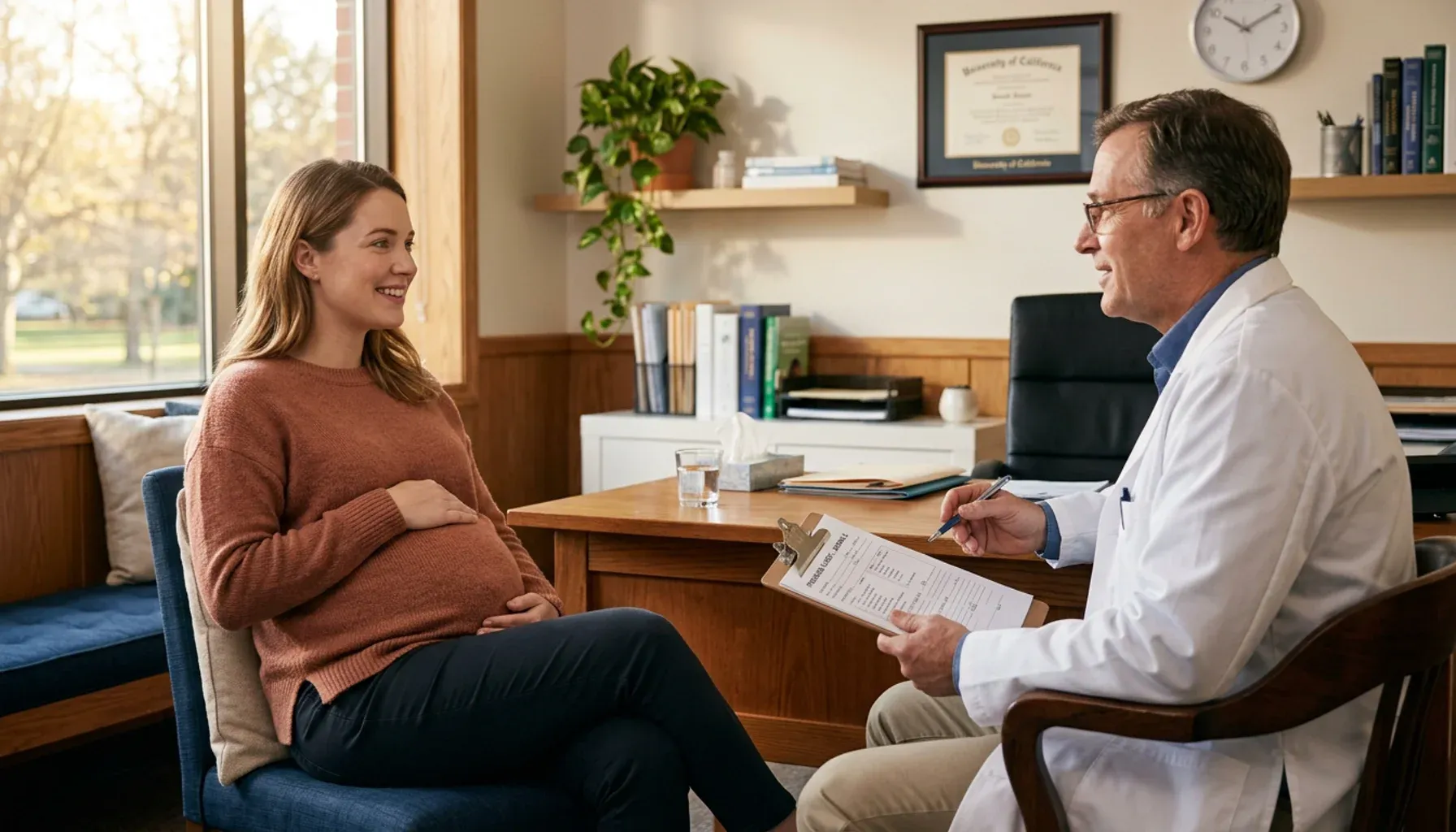
Miscarriage recurrence depends on what caused previous losses. If you had one or two early miscarriages, it does not increase the risk of having another [6]. However, if you've had multiple miscarriages or lost a baby later in pregnancy, the risk may be higher. It all depends on the specific causes. Feeling worried or anxious during a new pregnancy is normal. Talk to your doctor about your emotions and discuss any preventive measures that could apply. Seek help from a psychologist if need be.
Frequently asked questions

Yes, your belly typically grows faster during your second pregnancy. This happens because your uterus and abdominal muscles stretch more easily the second time around, having been stretched before.

Many second-time mothers feel baby movements as early as 16 weeks. This is earlier than first pregnancies because you already know what fetal movements feel like and can recognize them sooner.

Morning sickness in second pregnancies is unpredictable. Some women experience it differently or not at all compared to their first pregnancy, while others may have it worse.

If you had gestational diabetes in your first pregnancy, you have a higher risk of developing it again. Your doctor will monitor you closely with additional tests and check-ups throughout your pregnancy.

One or two early miscarriages don't increase your risk for future pregnancies. However, multiple miscarriages or later pregnancy losses may indicate higher risk, depending on the underlying causes.

Medical Disclaimer

This article is for informational purposes only and is not a substitute for professional medical advice, diagnosis, or treatment. Always seek the advice of your physician or qualified health provider with any questions you may have regarding a medical condition.

Meet our medical experts

Medically reviewed content

Reviewed by healthcare professionals · Updated March 25, 2025

Track your pregnancy on the go

Rated 4.8417,594 reviews