EN
try amma today
It's time to sign up for a birthing class
Pregnancy

It's time to sign up for a birthing class

3 min readWeek 19
Key takeaways
3 min
  • Enroll in birthing classes early in your pregnancy, especially if you're expecting your first child, to learn essential skills like breathing techniques and newborn care.
  • Choose couple-focused classes if your partner will attend the birth to ensure both parents are prepared for the delivery experience.
  • Expect increased baby activity and potential pregnancy symptoms like nasal congestion, leg cramps, and absent-mindedness during this stage.
  • Switch to comfortable, flat shoes and increase calcium and magnesium intake to help prevent leg cramps during pregnancy.
  • Monitor vaginal discharge closely and seek immediate medical attention for brown or blood-red discharge accompanied by stomach pain.

Sign up for birthing classes during your second trimester, ideally around 18-20 weeks of pregnancy. These classes teach essential childbirth techniques, breathing exercises, breastfeeding, and newborn care, making them especially valuable for first-time parents.

amma app

Track your pregnancy in the app

Personalized content for your pregnancy week

Download App

It's time to sign up for a birthing class

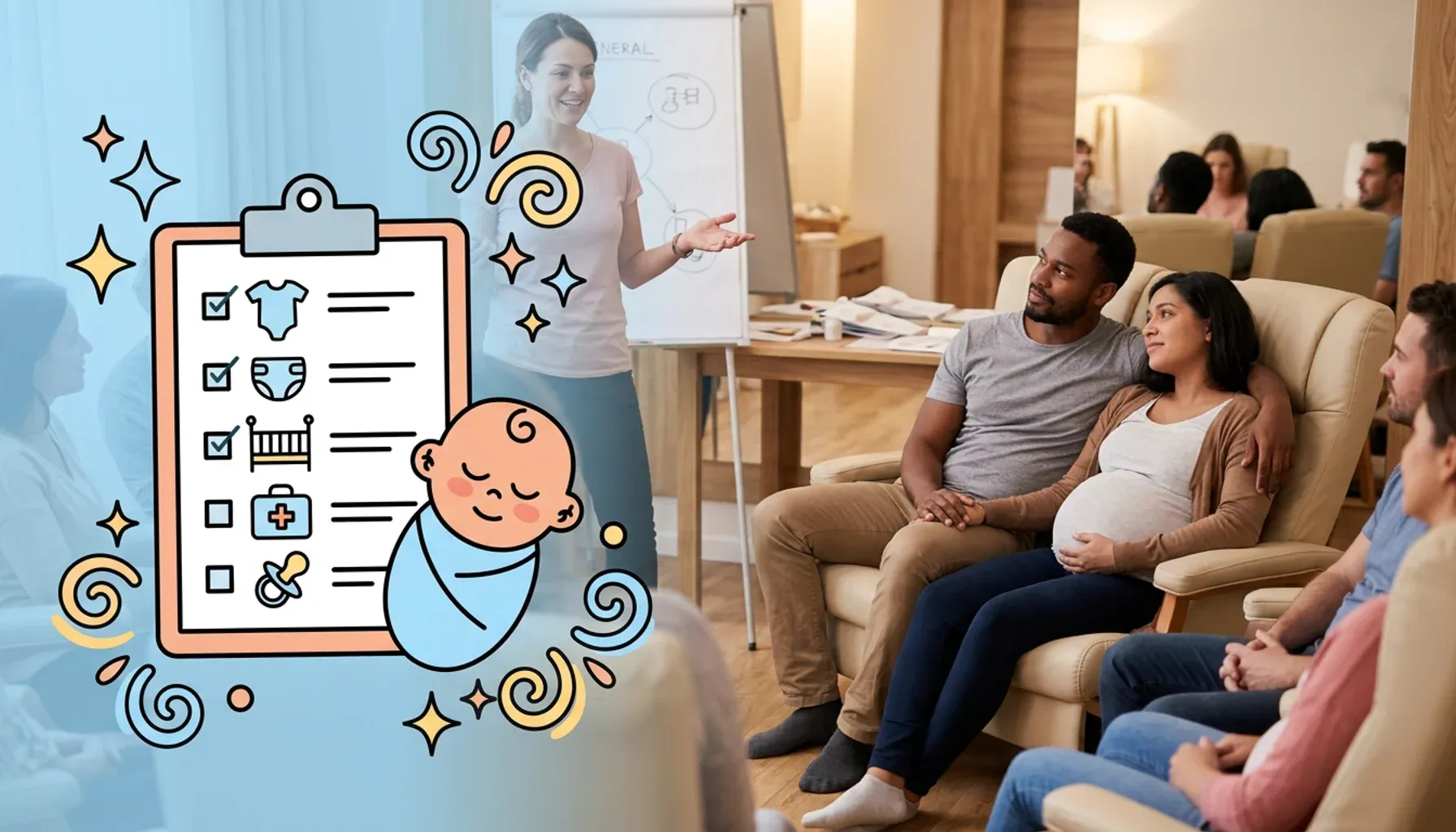
Now is the time to attend a class for future parents. Birth and parenting classes are highly recommended, especially if you are expecting your first child.

In the class, you will receive information about childbirth, breastfeeding, child care, vaccinations, appropriate diet, and other essential information regarding the first months of a child’s life. You can practice the correct breathing techniques for childbirth and learn the principles of self-massage, which can help relieve stress in the first stages of labor.

If your partner is going to be present at the birth, make sure to sign-up for a class designed for couples, not just moms.

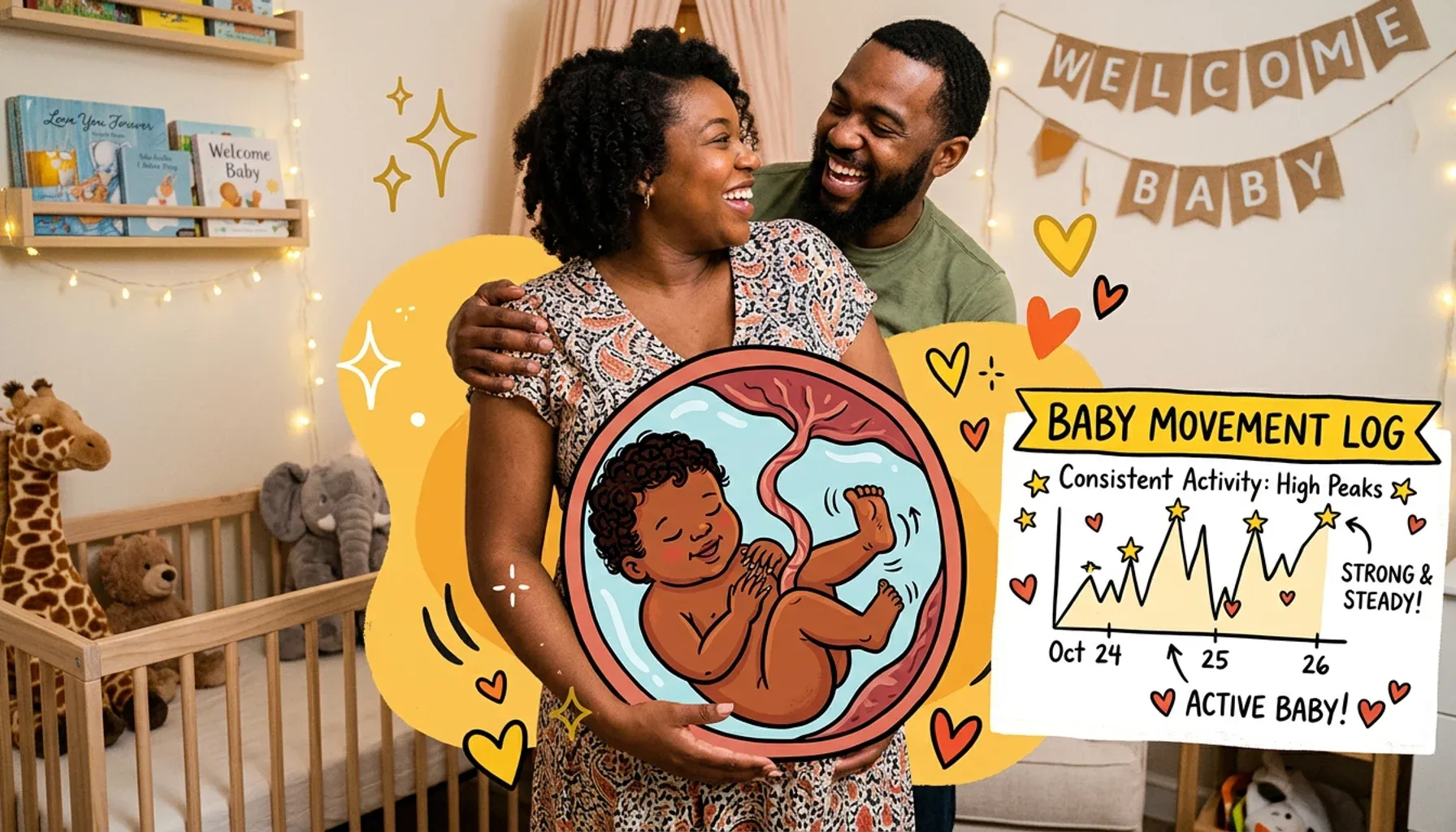
During this week of your pregnancy, your baby will become more active, while you may start to feel like slowing down a bit. You might feel less anxiety, but you could also become more absent-minded.

High levels of progesterone will continue to cause edema, including in the nasal region. Nasal congestion during this stage is more likely to be the consequence of edema than infection [1].

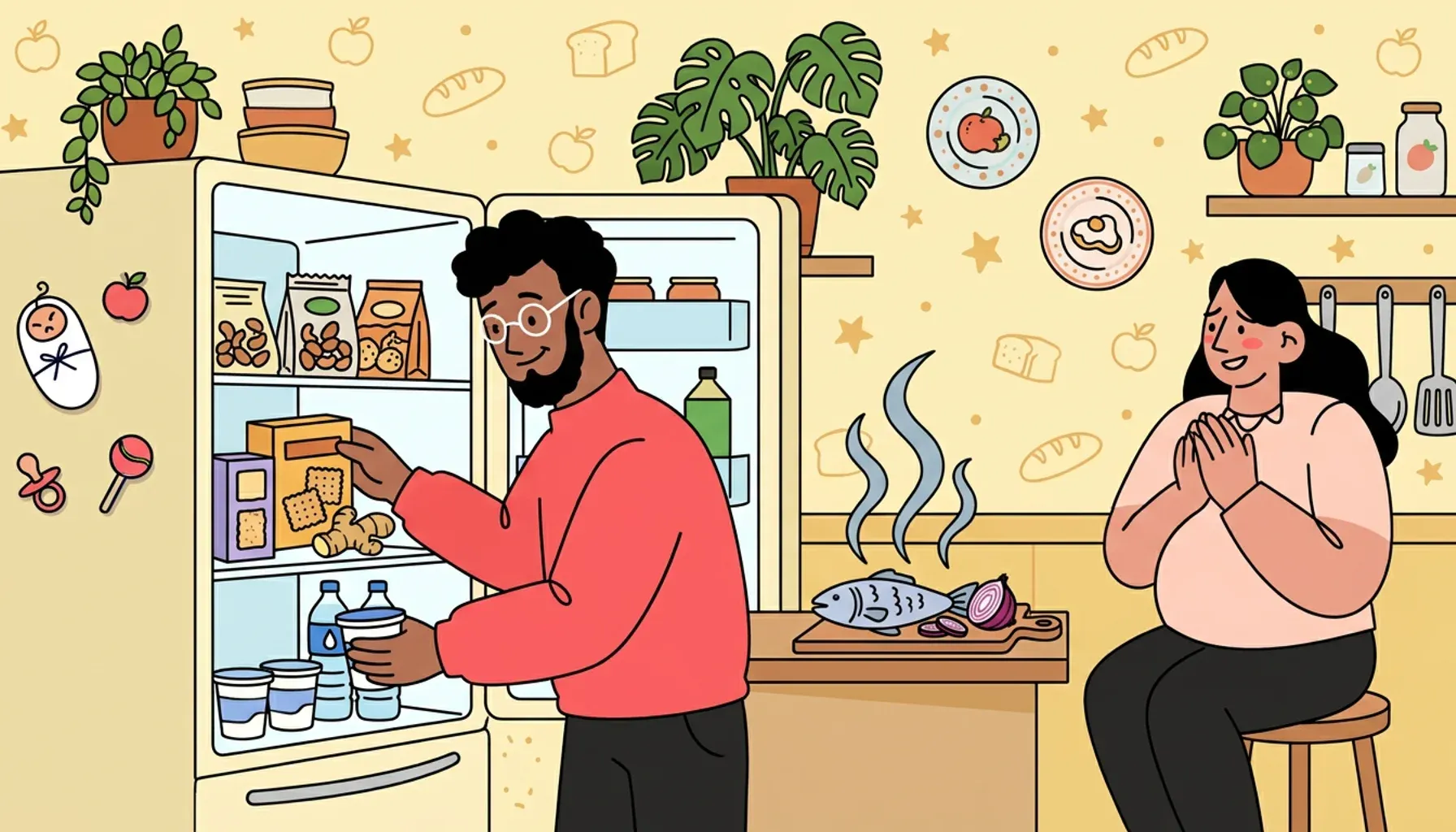
You might experience cramps in your lower limbs. These are due to the formation of the baby’s bone system, which requires a lot of calcium and magnesium. A deficiency in calcium or magnesium can cause discomfort. Although some reputable clinics recommend nutritional supplements with calcium and magnesium [2], there is no strong evidence that shows that foods high in these minerals prevent cramps [3].

Comfortable shoes can help. If you are still wearing high heels, it's time to reconsider. Stretching your calf muscles and drinking more water are also recommended [2].

If you are expecting twins

If your twins share the same placenta, then an additional ultrasound is usually ordered at 18 weeks [4]. It can last almost an hour, because it requires great attention to detail. In the course of the study, not only the individual indicators of each child are evaluated, but also their weight relative to each other. The difference in the weight of the babies should not be more than 20%.

Discharge

Different types of discharge can indicate different conditions. If you present leucorrhoea — which is thick and white or yellowish — then you could have an infection and need to be examined by your doctor. You should also report any itching or burning.

If your stomach hurts and your vaginal discharge turns brown or blood-red, you should seek medical attention immediately.
Frequently asked questions

It's best to sign up for birthing classes during your second trimester, around 18-20 weeks of pregnancy. This gives you enough time to learn and practice techniques before your due date while you're still comfortable attending classes.

Birthing classes cover childbirth techniques, breathing exercises, breastfeeding basics, newborn care, vaccination schedules, and nutrition. You'll also learn self-massage techniques and pain management strategies for labor.

Yes, if your partner will be present during delivery, they should attend birthing classes designed for couples. This ensures both parents are prepared and can work together as a support team during labor.

Wear comfortable flat shoes, stretch your calf muscles regularly, and stay hydrated. While calcium and magnesium supplements are sometimes recommended, there's limited evidence they prevent cramps.

Contact your doctor immediately if you experience brown or blood-red discharge with stomach pain. Thick white or yellowish discharge with itching or burning may indicate an infection requiring treatment.

Medical Disclaimer

This article is for informational purposes only and is not a substitute for professional medical advice, diagnosis, or treatment. Always seek the advice of your physician or qualified health provider with any questions you may have regarding a medical condition.

Meet our medical experts

Medically reviewed content

Reviewed by healthcare professionals · Updated October 21, 2025

Track your pregnancy on the go

Rated 4.8417,594 reviews