
The baby looks more and more like a newborn
Due to the accumulation of subcutaneous fat, the baby's face and body are more rounded and the arms and legs become proportional to the body. They look more and more like a newborn [1].
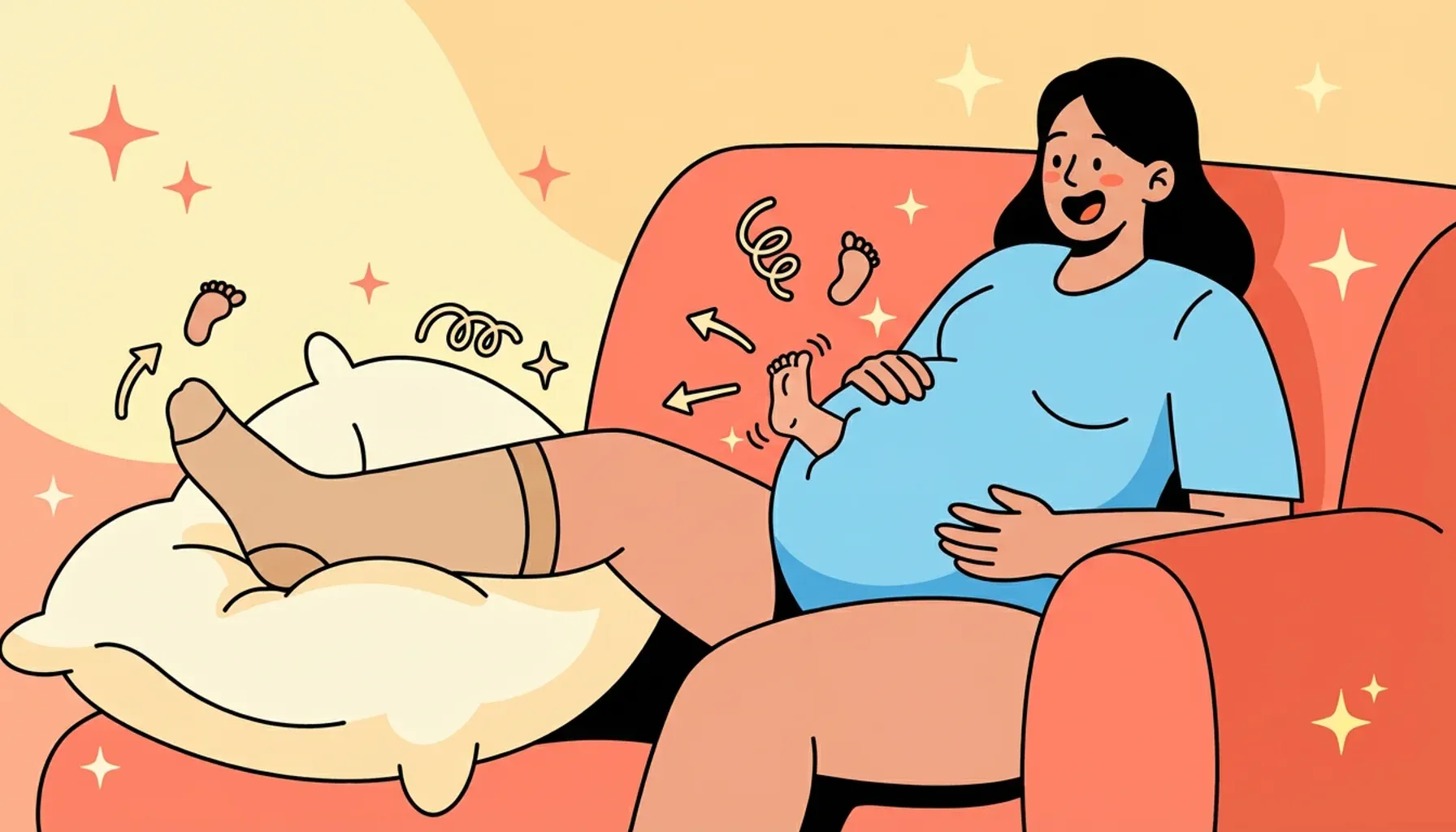
 The baby can get hiccups and make movements with his arms and legs. During sleep, the eyes move quickly. Grooves develop on the pads of the fingers and heels to form the unique patterns that will become their fingerprints and footprints [2].
Tear glands, or lacrimal tubules, develop to lubricate the eyes. The lungs are almost fully formed, but the baby is not yet ready to breathe outside the mother's womb.
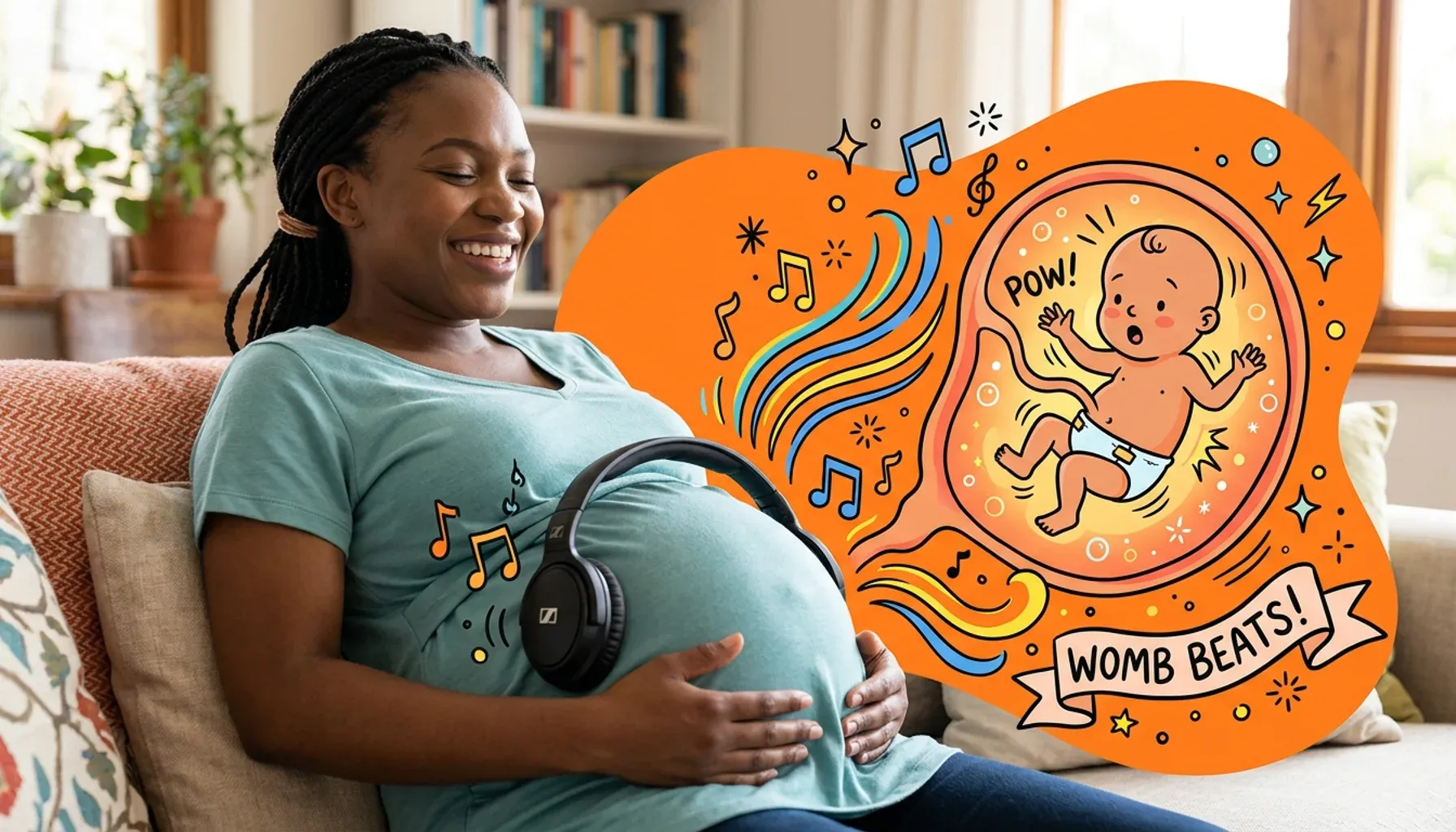
Smell, tactile sensitivity, and taste buds are formed during the first trimester, and by this point the baby can hear their mother's heartbeat, her voice, and loud sounds from the outside [3].
If you are expecting twins
The twins now weigh about 500-560 g each. In the United States, according to the Centers for Disease Control and Prevention, babies born before week 28 are considered extremely preterm. In hospitals with adequate facilities (NICUs) though, babies born during or after week 24 may be considered viable (each case is different) and every possible measure, treatment and medical intervention will be made to save them [4], including periods of nursing or feeding the baby with expressed breast milk when they are too premature to suckle. However, every additional week (or even day) in the mother's womb means the babies can be born stronger and healthier.
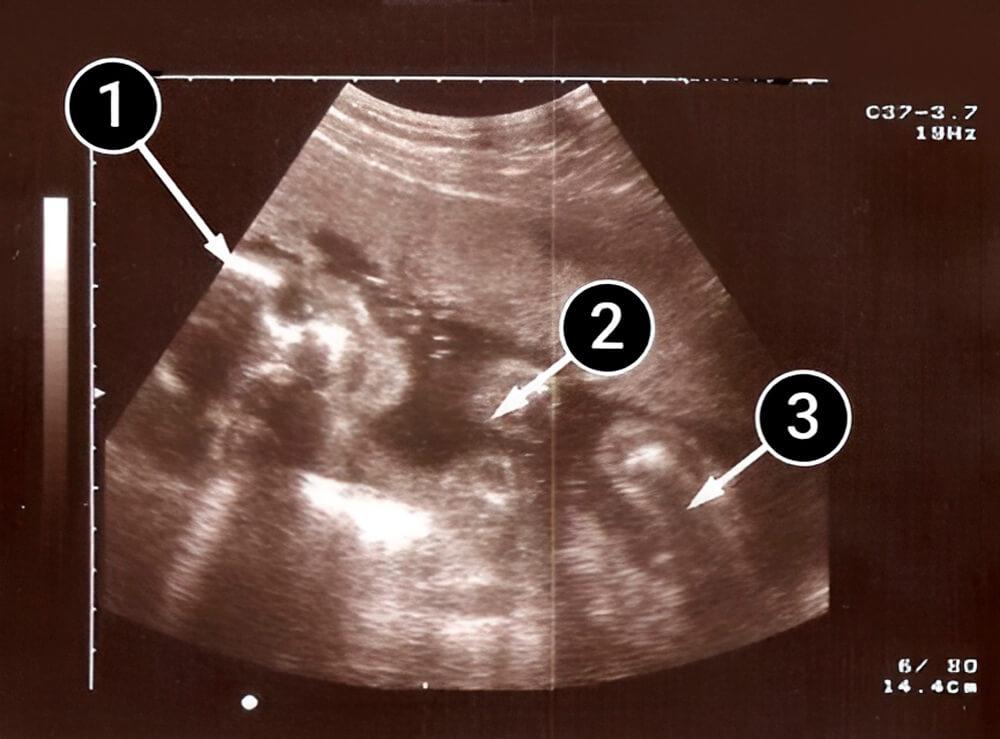
What can be seen on ultrasound
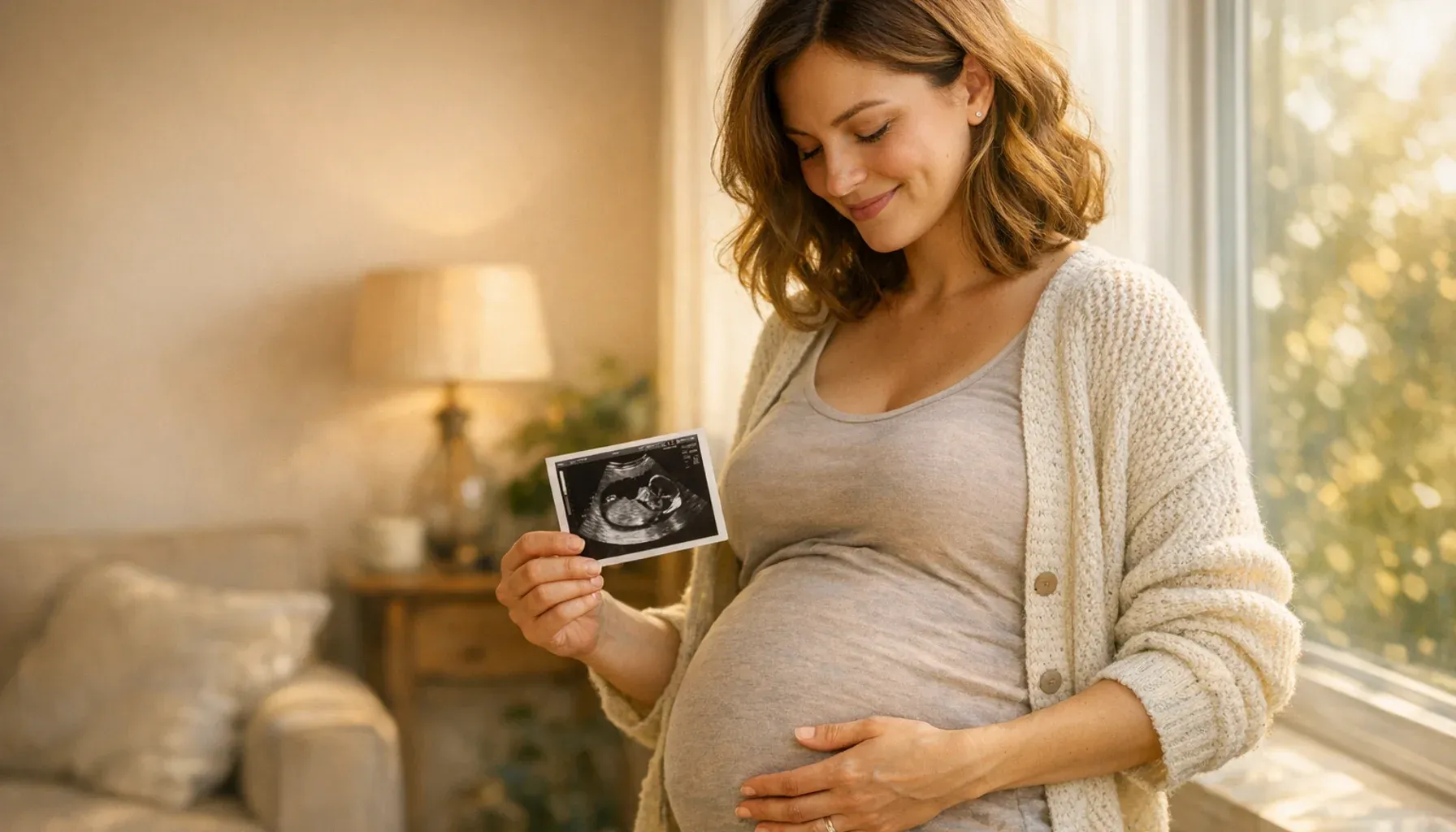
In the picture, the baby is lying on their side, facing the screen. The head, arms, and legs are clearly visible.