EN
try amma today
What kind of anesthesia can be used to treat teeth?
Pregnancy

What kind of anesthesia can be used to treat teeth?

2 min readWeek 23
Key takeaways
2 min
  • Prioritize dental treatment during pregnancy as untreated cavities can increase your child's cavity risk by three times.
  • Request lidocaine or lidocaine with epinephrine for safe local anesthesia during pregnancy as recommended by the American Dental Association.
  • Schedule necessary dental X-rays for the second or third trimester when possible to minimize fetal exposure.
  • Understand that modern dentistry offers safe pain relief options that won't harm you or your developing baby.
  • Consult your dentist about pregnancy-safe anesthesia options to maintain optimal oral health throughout pregnancy.

Pregnant women can safely use lidocaine and lidocaine with epinephrine for dental anesthesia. The American Dental Association recommends these local anesthetics as safe options that pose no risk to mother or fetus during dental procedures.

amma app

Track your pregnancy in the app

Personalized content for your pregnancy week

Download App

What kind of anesthesia can be used to treat teeth?

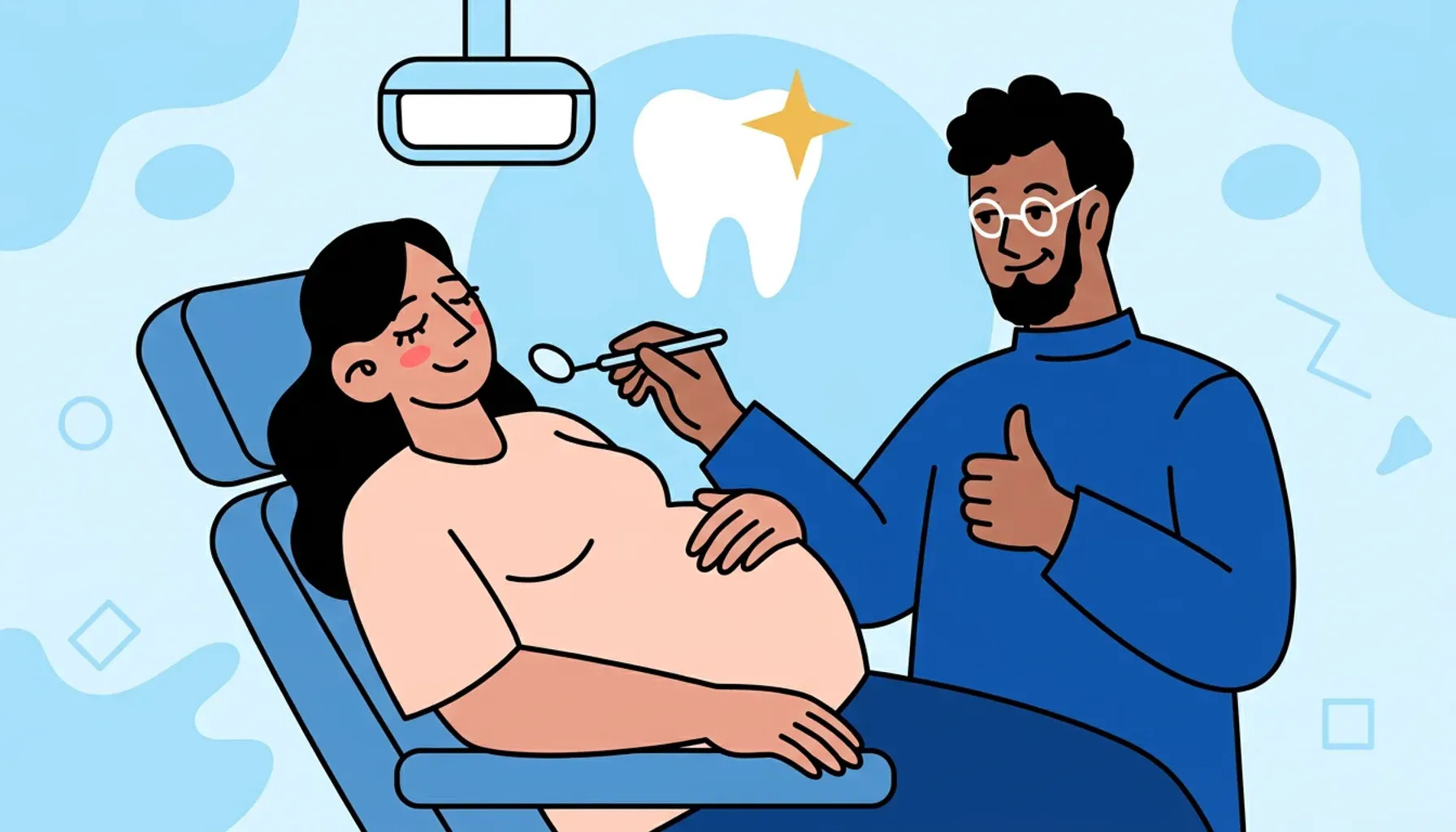
Many believe that it’s impossible to use anesthesia in the dentist’s office during pregnancy. Thankfully, this is not true. Modern dentistry has long had safe pain relievers for expecting mothers. And if a tooth hurts during pregnancy, it must be treated. Untreated cavities in an expectant mother can cause early development of cavities in a child [1]. In mothers with untreated cavities, children are three times more likely to suffer from this disease [2].

What kind of pain relief can you use?

The American Dental Association recommends lidocaine and lidocaine with epinephrine for local anesthesia [3]. This has been confirmed by a group of researchers from Seoul National University who agree that lidocaine does not pose a danger to the mother and fetus and is the most optimal anesthetic for dental treatment during pregnancy [4].

What if you need to take an X-ray?

If a doctor needs an X-ray in order to treat a tooth, it’s best to wait until the second or third trimester [5].



Frequently asked questions

Yes, dental anesthesia is safe during pregnancy. The American Dental Association recommends lidocaine and lidocaine with epinephrine as safe local anesthetics for expecting mothers.

Pregnant women can safely use lidocaine-based local anesthetics. Research confirms lidocaine poses no danger to mother or fetus and is the optimal choice for dental procedures during pregnancy.

Yes, untreated cavities in pregnant mothers can lead to early cavity development in children. Children of mothers with untreated cavities are three times more likely to develop dental problems.

Dental X-rays are safest during the second or third trimester. If possible, postpone non-emergency X-rays until these later stages of pregnancy.

No, you should not avoid necessary dental treatment during pregnancy. Untreated dental problems can negatively impact both your health and your baby's future oral health.

Medical Disclaimer

This article is for informational purposes only and is not a substitute for professional medical advice, diagnosis, or treatment. Always seek the advice of your physician or qualified health provider with any questions you may have regarding a medical condition.

Meet our medical experts

Medically reviewed content

Reviewed by healthcare professionals · Updated November 11, 2024

Track your pregnancy on the go

Rated 4.8417,594 reviews