EN
try amma today
What to eat if you are vegetarian
Pregnancy

What to eat if you are vegetarian

3 min readWeek 15
Key takeaways
3 min
  • Focus on protein-rich foods like legumes, nuts, and cereals to meet increased pregnancy protein needs on a vegetarian diet.
  • Take vitamin B12 supplements regularly as this essential nutrient for baby's nervous system development cannot be obtained from plant sources.
  • Monitor calcium intake through dairy products if lacto-vegetarian, or calcium-rich vegetables like cabbage, almonds, and sesame if vegan.
  • Combine iron-rich foods with vitamin C for better absorption and avoid taking calcium supplements with iron to prevent absorption interference.
  • Consider vitamin D supplementation, especially in northern climates or winter months, to prevent deficiency common in vegetarian diets.

Vegetarian pregnant women can maintain a healthy pregnancy by focusing on protein-rich legumes, nuts, and grains while supplementing with vitamin B12, which is essential for baby's development but unavailable in plant foods. Monitor calcium, iron, and vitamin D intake through fortified foods or supplements as recommended by healthcare providers.

amma app

Track your pregnancy in the app

Personalized content for your pregnancy week

Download App

What to eat if you are vegetarian

Vegans and vegetarians must pay special attention to what they eat during pregnancy as they are more at risk to be deficient in vitamin D [1], iron, vitamin B12 , protein and calcium because these nutrients primarily are found in animal products.

What are the benefits of being vegetarian?

If you are vegetarian, you will get a lot of folic acid, fiber, antioxidants, and carotenoids in your vegetable-based diet. In addition, a diet based solely on plant products changes the intestinal microbiota - and thereby relieves vegans of many pregnancy troubles like constipation, heartburn, edema [2].

Should vegetarians eat meat during pregnancy?

There is still no consensus on a plant-based diet for pregnant women. For example, the German Association of Nutritionists does not recommend pregnant women to be vegetarian [3], but the American College of Obstetrician-Gynecologists states that you can only eat plant-based foods when you are expecting a baby [4].

In the United States, food additives are widely used, and many plant products come to the shelves already enriched with protein, iron, calcium, and vitamins. This is strictly monitored by the FDA.

What should vegetarians eat during pregnancy?

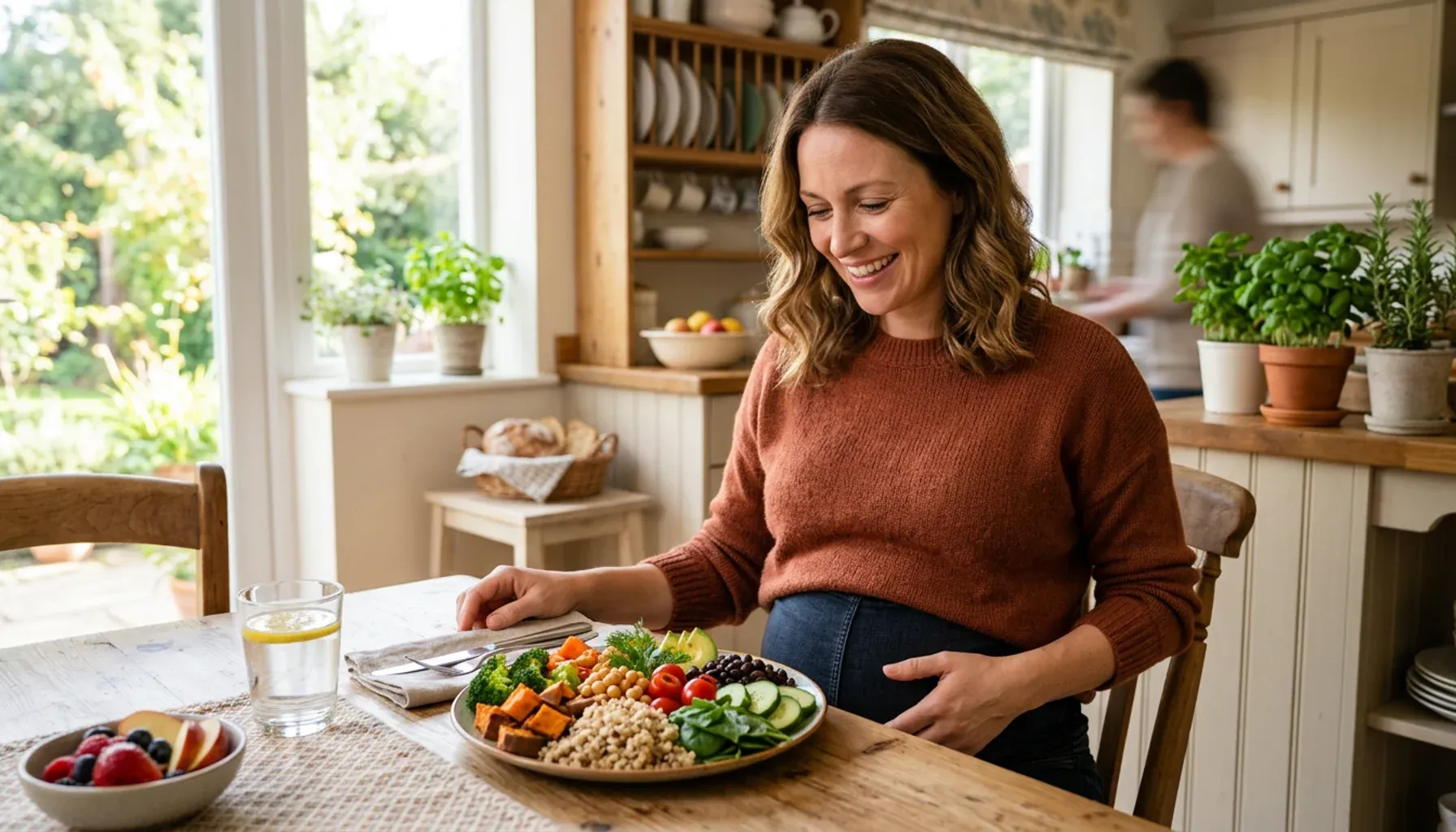
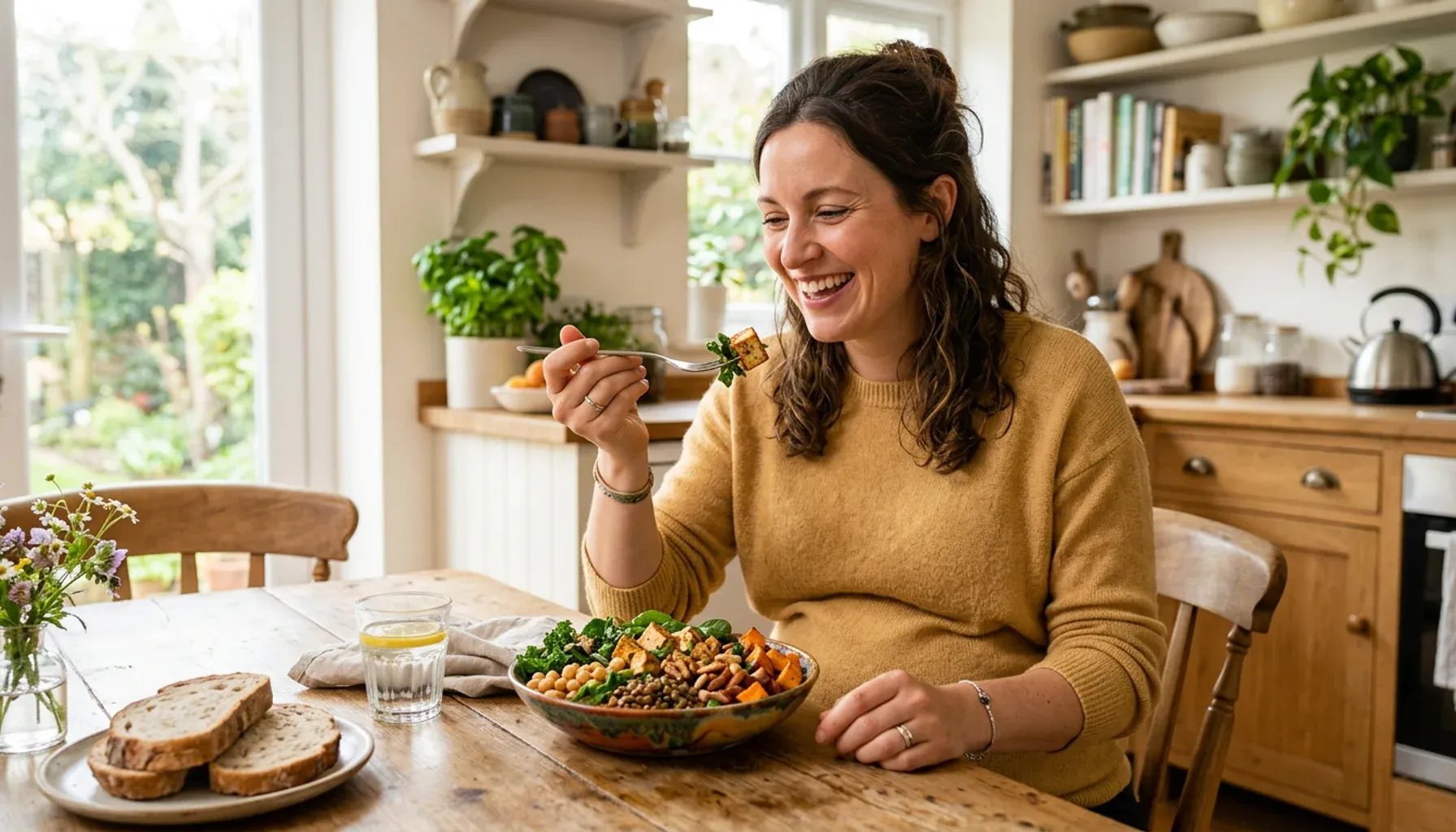
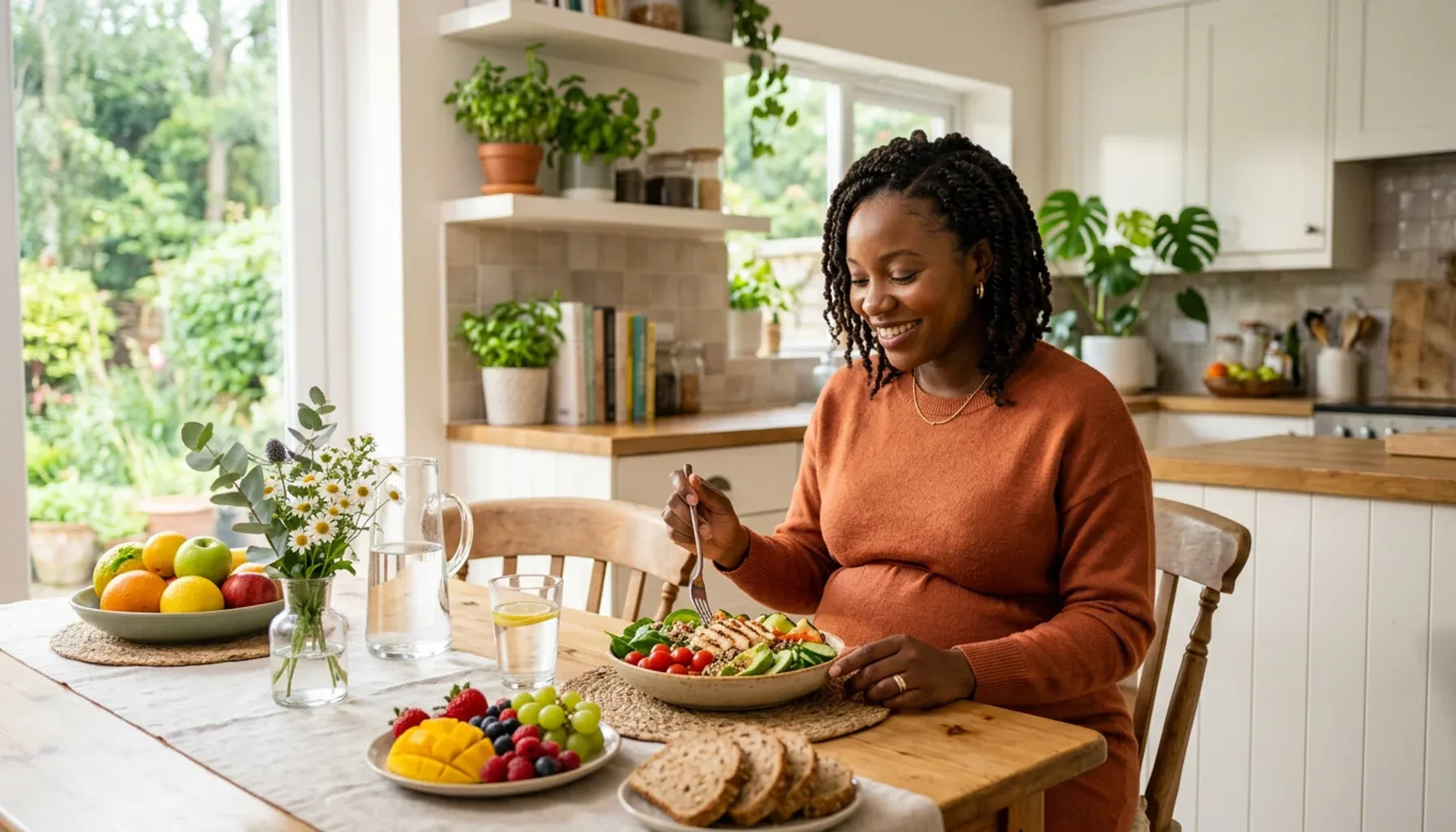
During pregnancy you need to make sure you get enough protein. Vegetarians will want to make sure they are compensating with increased portions of legumes, nuts, cereals.

Calcium is not a problem for lacto-vegetarians (those who drink milk), but vegans will need to monitor the amount of calcium they get from calcium-rich foods like cabbage, turnips, almonds, sesame and beans. A glass of chopped cabbage contains about three times less calcium than a glass of milk [5]. You may want to consider taking a calcium supplement [6].

Vitamin D deficiency is best remedied with sunbathing (remember to use sunscreen). But in northern latitudes, especially during winter, you may need to take vitamin D supplements.

Iron is better absorbed in the presence of vitamin C. However, calcium supplements interfere with the absorption of iron. Stagger the time you take your supplements. For example, take calcium in the morning and iron in the evening (because morning coffee also impedes the absorption of iron) [6].

Vitamin B12 is the main difficulty in a vegetarian diet. It cannot be obtained from any plant sources, but it is necessary for the normal development of the baby’s nervous system, therefore it must be taken in the form of food additives or supplements, and in case of severe deficiency, in the form of injections.
Frequently asked questions

Yes, you can have a healthy pregnancy on a vegetarian diet with proper planning. Focus on getting adequate protein, vitamin B12, iron, calcium, and vitamin D through fortified foods and supplements when necessary.

Vegetarian pregnant women should take vitamin B12 supplements as it's not available in plant foods. Consider vitamin D, iron, and calcium supplements based on your diet and doctor's recommendations.

Excellent vegetarian protein sources during pregnancy include legumes, nuts, seeds, whole grains, dairy products (if lacto-vegetarian), and quinoa. Aim to include multiple protein sources throughout the day.

Vegan pregnancy can be safe with careful nutritional planning and supplementation. Pay special attention to vitamin B12, calcium, iron, vitamin D, and protein intake, and work closely with your healthcare provider.

Vegetarians can get calcium from dairy products, leafy greens like cabbage and kale, almonds, sesame seeds, fortified plant milks, and beans. Vegan mothers may need calcium supplements to meet pregnancy requirements.

Medical Disclaimer

This article is for informational purposes only and is not a substitute for professional medical advice, diagnosis, or treatment. Always seek the advice of your physician or qualified health provider with any questions you may have regarding a medical condition.

Meet our medical experts

Medically reviewed content

Reviewed by healthcare professionals · Updated June 2, 2025

Track your pregnancy on the go

Rated 4.8417,594 reviews