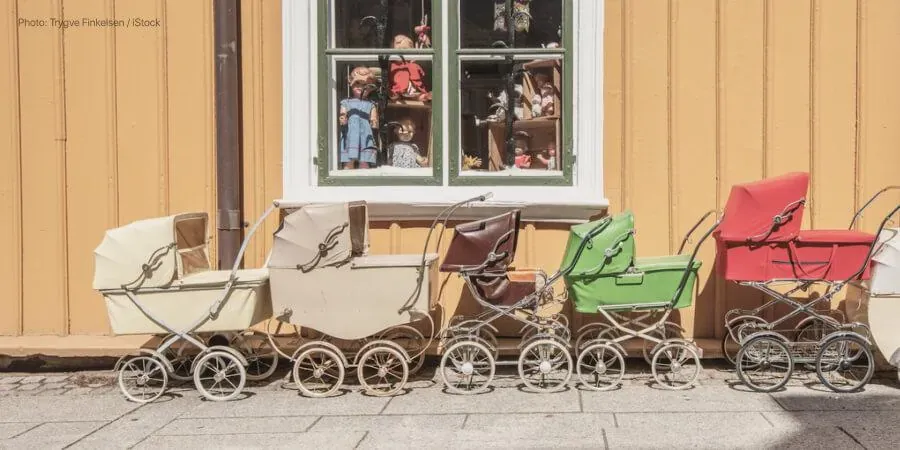

In the curated pictures on Pinterest, there is always a beautiful bassinet next to a lounging mommy. But where should babies actually sleep? What does a future mother need to consider?
Every baby needs a crib
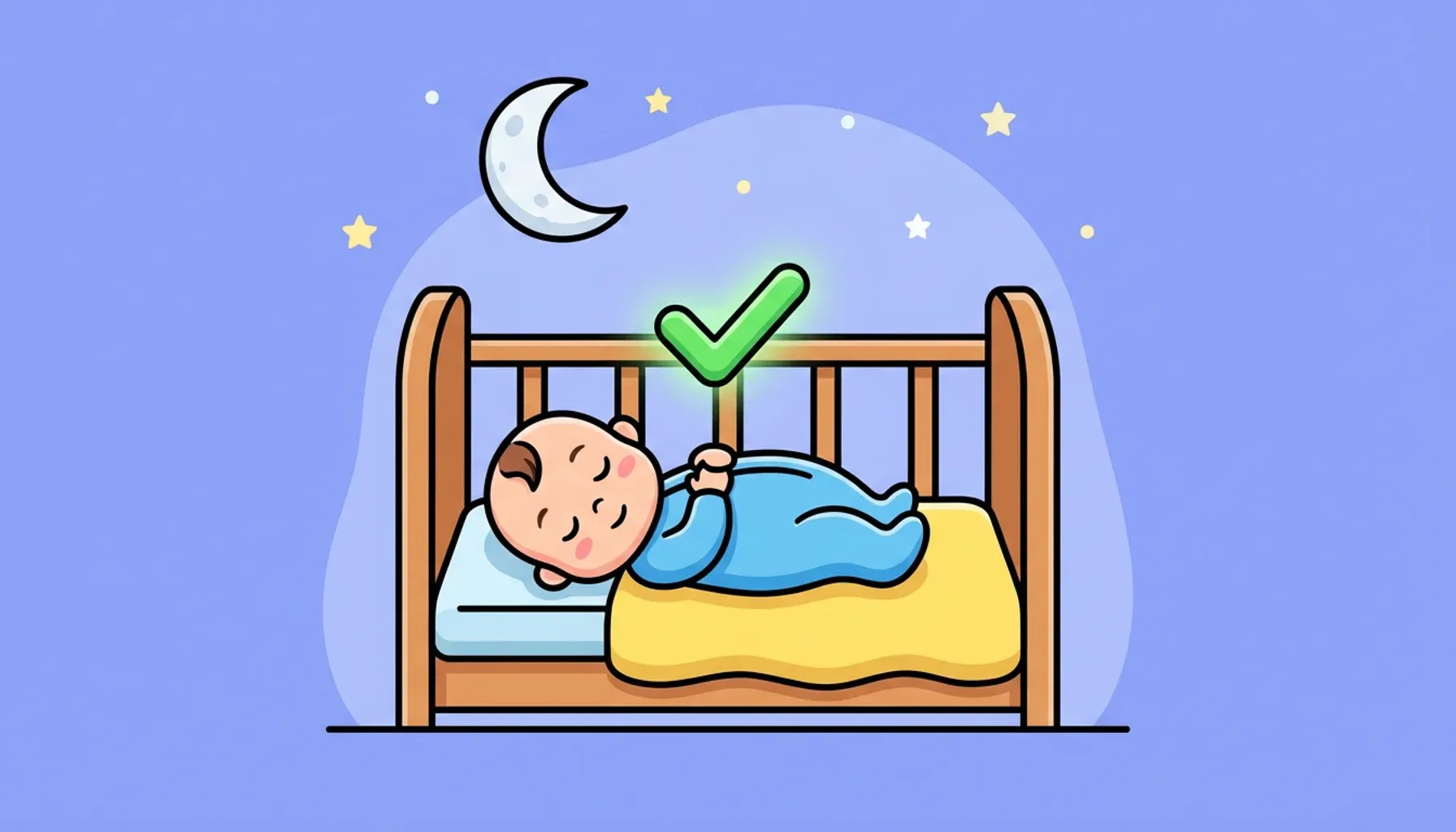
When it comes to sleeping arrangements for your baby, you can hardly do without a traditional crib. It can take up to three years for your baby to grow out of it. Some models come with drawers for storage, and others can even convert into a toddler or twin bed.
However, a crib takes up a lot of space in a parent's bedroom, so a bassinet may be a better option for the first months of life when your baby is more likely to sleep in your bedroom.
Can I place a baby lounger or nest inside the crib or on our bed?
Baby loungers were developed by neonatologists, for premature babies. Their main task is to support the baby in a position similar to the one they were in the womb. But babies cannot stay in a lounger or a baby nest for extended periods. They are intended for wake time or moments when a newborn is laid down for a short time.
What are my options?
You can consider purchasing a bassinet or borrowing one (if it is a recent model). They are lighter and more compact than a classic baby crib and usually come with casters, making them easier to move. Next to your bed, a bassinet can help make night feedings easier. They do have one significant disadvantage though, which is that babies grow out of them very quickly, usually within four to six months.
How do I choose a crib or bassinet?
If you intend to move the crib or bassinet around, look for one with wheels and stoppers. If you are placing it in a more permanent location, you can opt for a heavier, stable model with drawers. The non-negotiable part of any bassinet or crib is that it must meet current safety standards, so it should have [1, 2]:
a firm mattress that tightly fits the size of the crib or bassinet, with no gaps;
a space of less than 2.36 inches (6 cm) between slats so that the baby’s body can not fit between them;
no drop-side rail.
Important safety precautions for cribs and bassinets [3]:
Never put foreign objects such as toys, bumpers, blankets, or extra pillows inside a crib or bassinet, as they pose a risk of suffocation. Also, avoid protruding accessories and fasteners. Screws and other small parts of the bassinet must fit tightly and be as smooth as possible to avoid injuring the baby.
What about sleeping in the parent's bed?
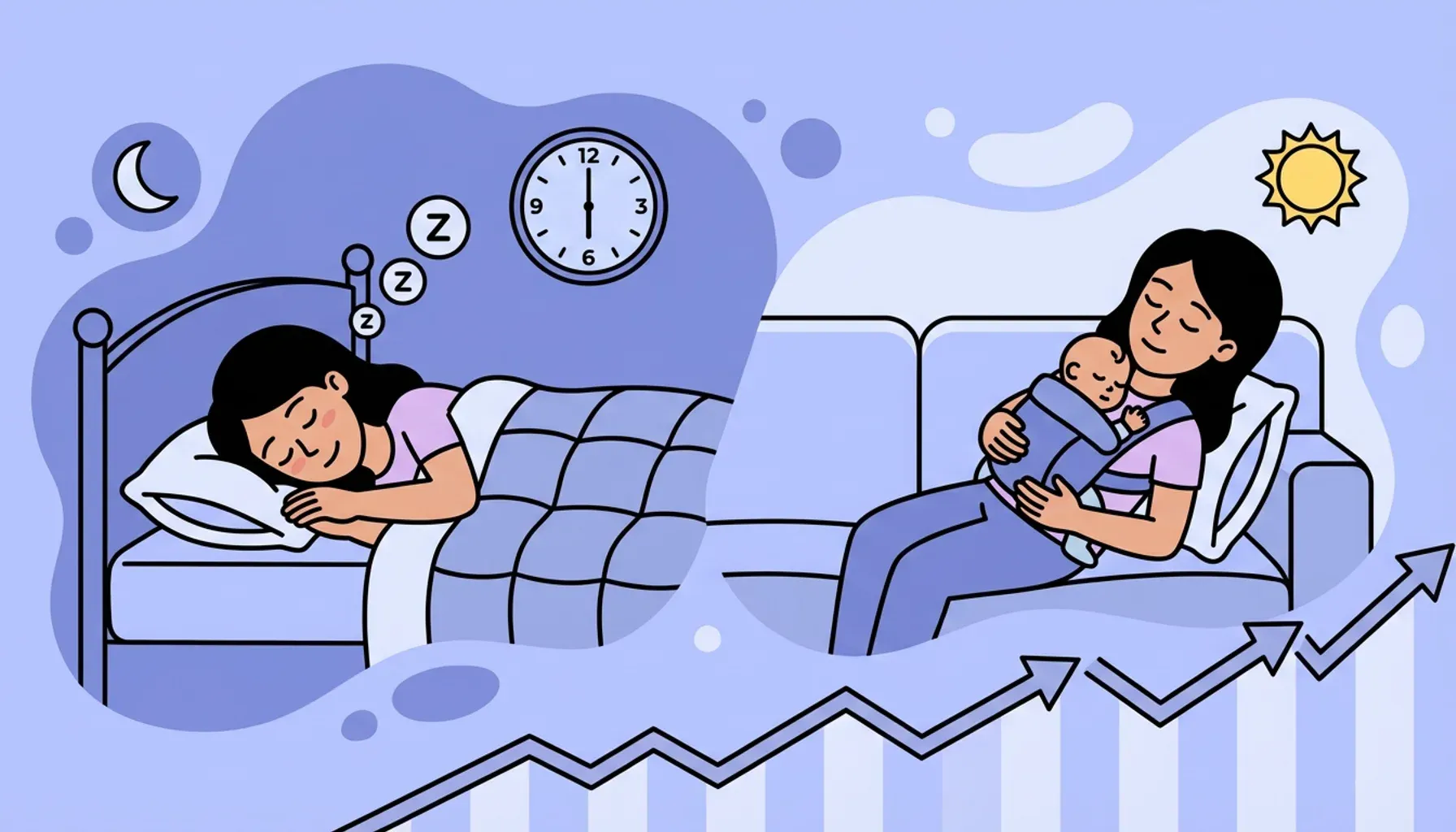
Co-sleeping can be comfortable for the mom but not safe for the baby. An adult's bed carries many risks for a baby. The mattress can be too soft, the pillows and blankets can cause suffocation, and nearby items such as a charging cord can create additional risks.
A crib or bassinet that meets all current safety standards next to the parent's bed is the safest place for a child to sleep. It significantly reduces the risk of suffocation and sudden infant death syndrome (SIDS) [2].