EN
try amma today
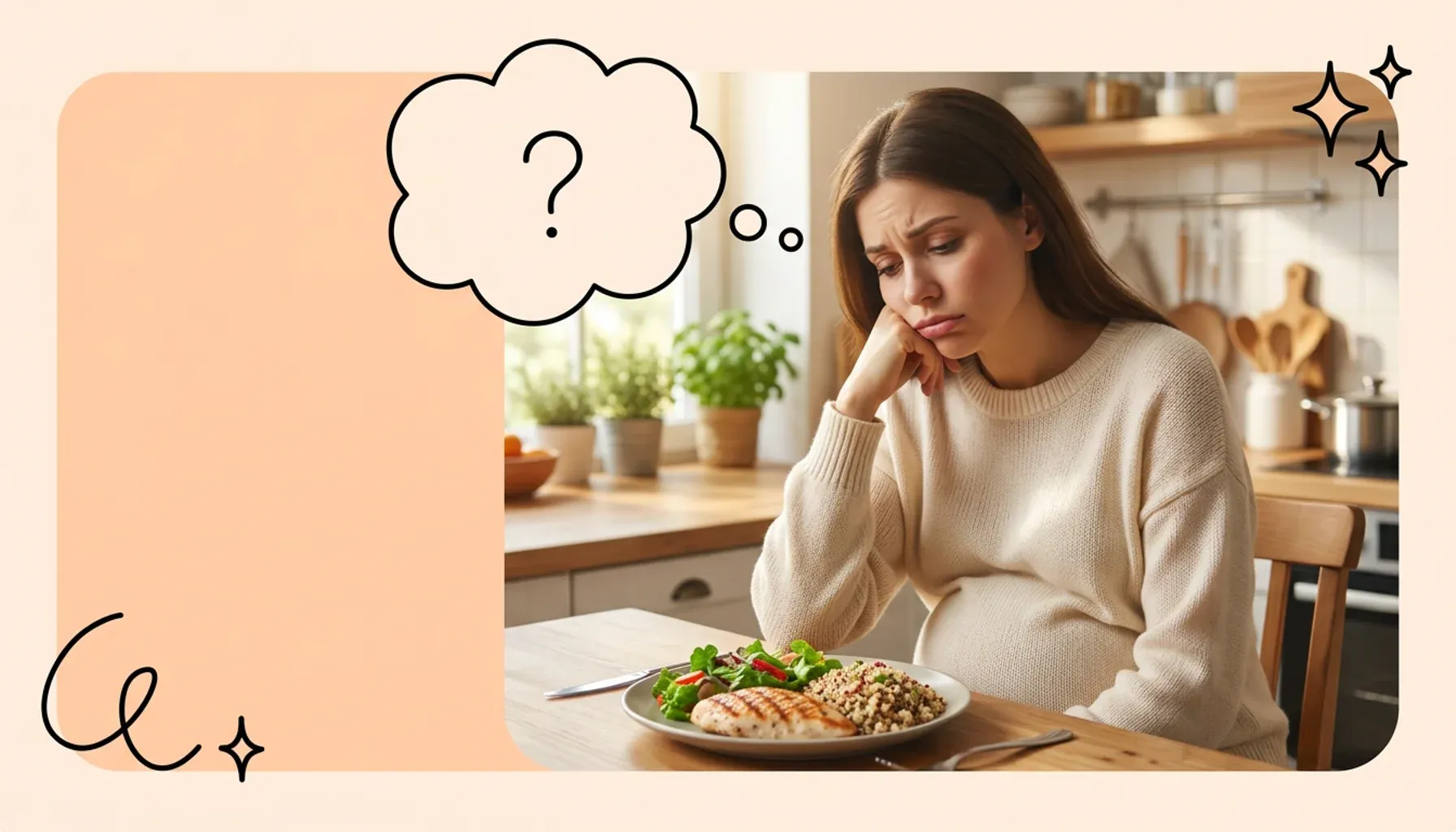
Why did you lose your appetite?
Pregnancy

Why did you lose your appetite?

3 min readWeek 39
Key takeaways
3 min
  • Recognize that appetite loss in late pregnancy can signal depression, eating disorders, or hormonal changes before labor.
  • Monitor your overall pregnancy weight gain to determine if reduced appetite poses risks to your baby's health.
  • Seek professional help if appetite loss accompanies mood changes or resembles eating disorder patterns.
  • Continue eating nutrient-rich foods even with reduced appetite to maintain energy for childbirth.
  • Understand that sudden loss of food pleasure may indicate approaching labor due to hormonal shifts.

Pregnancy appetite loss typically stems from three causes: prenatal depression, eating disorders, or hormonal changes before labor. While concerning, it's usually not dangerous if overall pregnancy weight gain remains adequate, though continuing nutritious food intake is recommended for childbirth energy.

amma app

Track your pregnancy in the app

Personalized content for your pregnancy week

Download App

Why did you lose your appetite?

A sharp decrease in appetite in the last weeks of pregnancy is a rather rare phenomenon. However, if you feel that you have lost the desire to eat, then this may be a symptom of one of three conditions [1]:

Depression

Prenatal depression develops as often as postpartum depression. And women who suffer from it can fall into a vicious circle. Decreased appetite leads to a lack of nutrients (omega-3 fatty acids, vitamin C, iron and zinc) [2, 3], which in turn aggravates the development of depression. If you find yourself struggling with depression, consult with a psychologist.

Eating disorders

Anorexia and bulimia while expecting a child is very difficult to identify. Their symptoms are too similar to normal manifestations: increased appetite, selectivity in food, the desire to control weight gain. Therefore, estimates of the prevalence of these phenomena range from 0.6 to 28%, and the diseases themselves are diagnosed at a later stage [4], often in expectant mothers who already had eating disorders in their history [5].

A sharp change in hormonal levels

If, before pregnancy, you noted fluctuations in appetite and taste preferences during your period, during pregnancy, you may lose interest in food due to a sharp change in hormonal levels [6]. This usually occurs on the eve of childbirth. The hedonistic aspect of food ("food for pleasure") has lost its meaning. If your favorite desserts do not bring you any sense of pleasure, then it could mean childbirth is very close [6].

Is it dangerous to stop eating?

If your overall weight gain over the entire pregnancy is sufficient, then reducing your meals is unlikely to harm the child. But it’s a good idea to continue eating good, healthy foods — you will need this source of energy during childbirth.


Frequently asked questions

Loss of appetite in late pregnancy is relatively rare but can be normal. It may indicate approaching labor due to hormonal changes, but could also signal depression or eating disorders requiring medical attention.

Consult your doctor if appetite loss is accompanied by mood changes suggesting depression or if your overall pregnancy weight gain is insufficient. Continue eating healthy foods to maintain energy for childbirth.

Yes, sharp hormonal changes can reduce appetite, especially near childbirth. This often affects the pleasure aspect of eating, making favorite foods less appealing as labor approaches.

Eating disorder symptoms during pregnancy can mimic normal changes like food selectivity and weight control concerns. Women with previous eating disorder history are at higher risk and need professional monitoring.

If your overall pregnancy weight gain is adequate, temporary appetite reduction likely won't harm your baby. However, maintain nutrient intake for optimal health and energy during delivery.

Medical Disclaimer

This article is for informational purposes only and is not a substitute for professional medical advice, diagnosis, or treatment. Always seek the advice of your physician or qualified health provider with any questions you may have regarding a medical condition.

Meet our medical experts

Medically reviewed content

Reviewed by healthcare professionals · Updated June 2, 2025

Track your pregnancy on the go

Rated 4.8417,594 reviews