EN
try amma today
Your eyesight during pregnancy
Article

Your eyesight during pregnancy

2 min readWeek 9
Key takeaways
2 min
  • Expect temporary vision changes during pregnancy due to hormonal fluctuations causing corneal swelling, which typically resolves after childbirth or breastfeeding.
  • Contact your doctor immediately if you experience sudden blurred vision, double vision, eye floaters, or light sensitivity as these may signal preeclampsia or gestational diabetes.
  • Schedule an ophthalmologist visit before or early in pregnancy if you have diabetes or pre-existing eye conditions to prevent complications.
  • Know that high myopia alone doesn't prevent vaginal delivery if your retinas are healthy, but get an eye exam one month before your due date for peace of mind.
  • Understand that pupil dilation drops used during eye exams are completely safe for pregnant women and their babies.

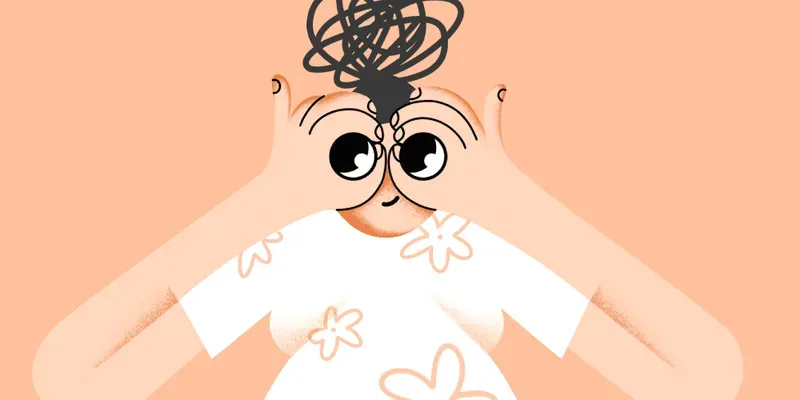
Pregnancy causes temporary vision changes due to hormonal fluctuations that make the cornea and lens swell. Most vision problems like blurriness resolve naturally after childbirth or when breastfeeding ends, requiring no permanent treatment.

amma app

Track your pregnancy in the app

Personalized content for your pregnancy week

Download App

Hormonal levels change, and the load on blood vessels increases. That can have an impact on your entire system, including your eyes.

Should I see an ophthalmologist during my pregnancy?

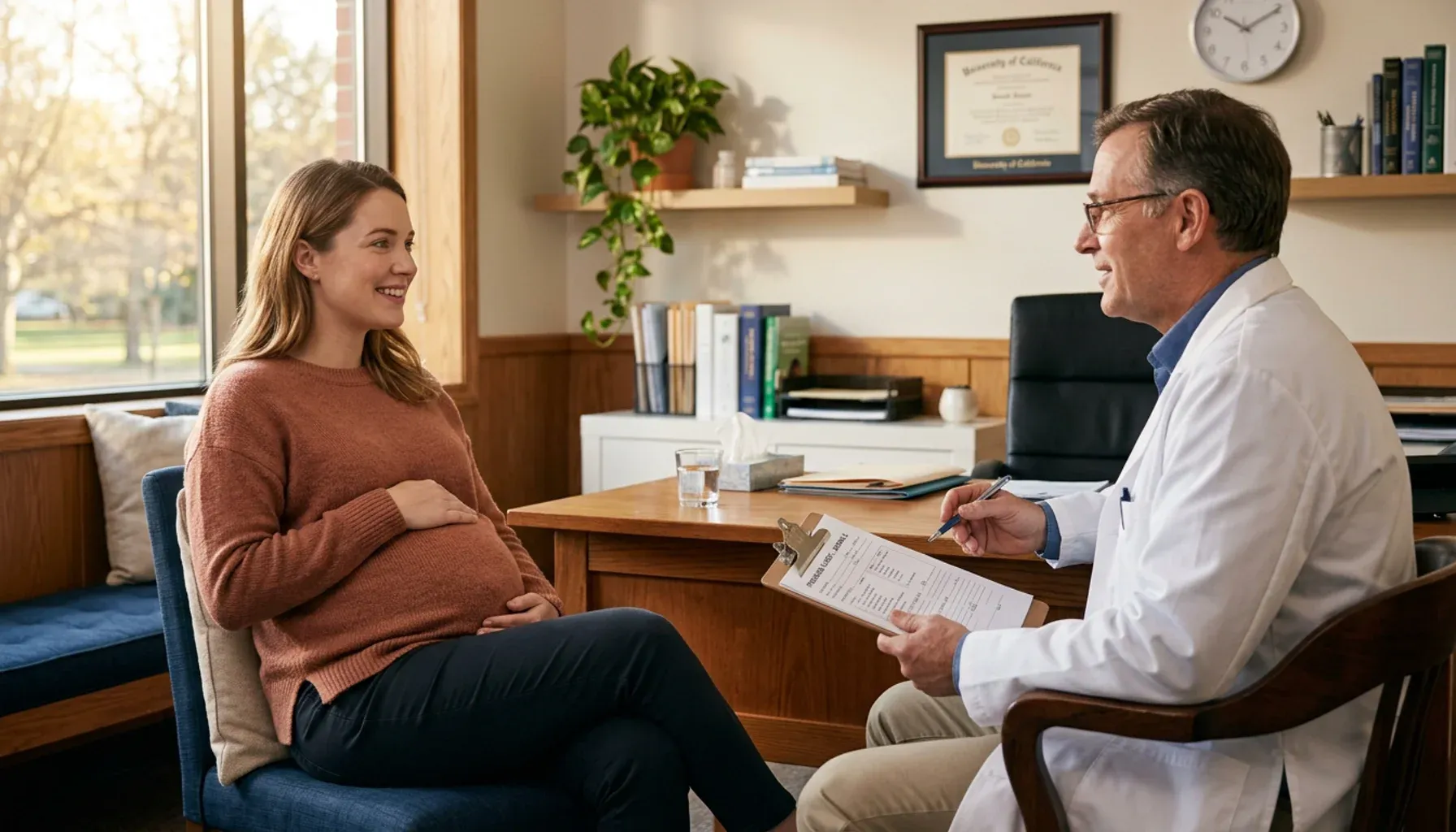
Women who have diabetes or any type of pre-existing eye issues should visit an ophthalmologist before or soon after becoming pregnant. All other expecting moms do not necessarily have to have their eyes checked unless their gynecologist recommends it.

Contact your doctor and follow up with your ophthalmologist if you suddenly experience the following symptoms during pregnancy:

  • blurred vision

  • double vision (diplopia)

  • eye floaters (spots in your vision) or flashes

  • partial loss of vision or blind spots

  • sensitivity to light [1]

These can be symptoms of complications (such as preeclampsia or gestational diabetes) that could affect your health or that of your unborn baby.

What exactly does an ophthalmologist look for?

Your eye doctor will check your visual sharpness and eye pressure and conduct an ophthalmoscopy, which involves dilating your pupils to examine the inner surface of the eyeball. The drops the doctor will use to dilate your pupils are perfectly safe for pregnant women. They will check if there are areas with impaired tissue or thinning (dystrophy) of the retina. These pathologies can present in anyone at any age and are often asymptomatic; however, some may require observation or treatment. 

If my vision gets worse during pregnancy, will it be permanent?

Changes in vision during pregnancy are often due to a swelling of the cornea and sometimes the lens, caused by hormonal changes. In most cases, vision will return to normal after childbirth or when breastfeeding ends [1, 2]. 

I have high myopia. Will I be able to give birth vaginally?

If your retinas are healthy, myopia does not rule out vaginal childbirth [3]. But, to remove possible doubts and fears, you can have an opthalmological revision about a month before your due date. 
Frequently asked questions

Yes, mild blurry vision during pregnancy is common due to hormonal changes that cause corneal swelling. Most vision changes are temporary and resolve after childbirth or when breastfeeding ends.

See an ophthalmologist if you have diabetes or pre-existing eye conditions, or if you experience sudden vision changes like double vision, eye floaters, or light sensitivity. These symptoms may indicate serious complications like preeclampsia.

In most cases, pregnancy-related vision changes are temporary and return to normal after delivery. The changes are typically caused by hormonal swelling of the cornea and lens, not permanent eye damage.

Yes, the dilating drops used during eye exams are perfectly safe for pregnant women and their babies. Your eye doctor will only use pregnancy-safe medications during examinations.

Yes, high myopia (nearsightedness) alone doesn't prevent vaginal delivery if your retinas are healthy. Consider getting an eye exam about one month before your due date to confirm retinal health.

Medical Disclaimer

This article is for informational purposes only and is not a substitute for professional medical advice, diagnosis, or treatment. Always seek the advice of your physician or qualified health provider with any questions you may have regarding a medical condition.

Meet our medical experts

Medically reviewed content

Reviewed by healthcare professionals · Updated March 25, 2025

Track your pregnancy on the go

Rated 4.8417,594 reviews