EN
try amma today
Packing your go-bag
Article

Packing your go-bag

2 min readWeek 35
Key takeaways
2 min
  • Pack your hospital bag by week 38 since most babies arrive 10 days before or after their due date.
  • Include essential documents like insurance cards, photo ID, medical records, and your birth plan in a secure folder.
  • Bring comfortable clothing including nursing bras, robes, extra underwear, and loose discharge outfits.
  • Pack personal toiletries, snacks, phone chargers, and comfort items like eye masks and your own pillow.
  • Prepare a separate bag for your birth partner with their own essentials including ID, snacks, and entertainment.

Pack your hospital bag by week 38 with essential documents, comfortable clothing, toiletries, snacks, and phone chargers. Include nursing bras, robes, extra underwear, and postpartum supplies for recovery.

amma app

Track your pregnancy in the app

Personalized content for your pregnancy week

Download App

It’s not always easy to anticipate everything you’ll need for your hospital stay. We’ve made some suggestion lists based on different categories of essential items. It’s a good idea to also check with your doctor or hospital/birthing center both for suggestions of what to bring and any restrictions on what you’re allowed to bring.

Make sure your bag is packed by week 38! Statistically, most babies are born around 10 days before or after their due date [1].

Important documents and information

  • insurance cards;

  • picture ID (e.g. your driver’s license), both yours and your partner’s/spouse’s;

  • your doctor’s name and information, including their contact phone number;

  • a copy of your medical records, especially your prenatal records;

  • a written copy of your birth plan/requests.

Clothing

  • comfy bath robe;

  • lots of socks and underwear;

  • nursing bra;

  • washable slippers;

  • loungewear or pajamas;

  • compression socks;

  • a full change of clothes for when you are discharged.

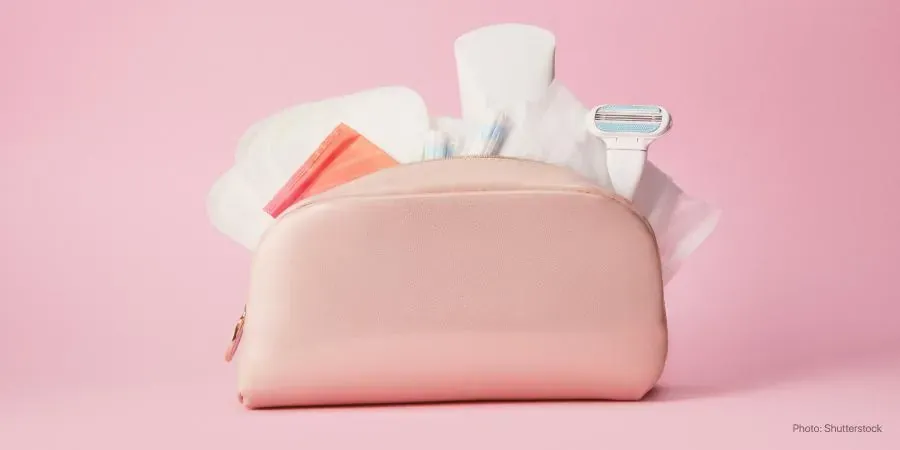
Toiletries

  • toothbrush and toothpaste;

  • deodorant;

  • sanitary pads (for postpartum bleeding);

  • hair brush, headbands, and hair ties;

  • lip balm;

  • dry shampoo;

  • hospitals often provide shampoo and conditioner, but bring your own if you prefer to use it. The same goes for soap and lotion;

  • a hanging toiletry bag is a great idea!

Other items

  • glasses or contact lenses and solution;

  • eye mask and earplugs;

  • shower flip flops;

  • nipple cream, if you’re breastfeeding;

  • a refillable water bottle;

  • crackers or other easy-to-stomach foods you usually turn to when you’re nauseated;

  • healthy, non-refrigerated snacks like nuts, granola bars, and dried fruit;

  • your cell phone and charger;

  • earbuds or headphones;

  • books or an e-reader (and charger);

  • a pad and pen or pencil to track things like baby’s feeding schedule, notes from doctors and nurses, and questions you want to ask;

  • a baby book, if you’re keeping one, to start writing down details of the birth;

  • a folder to keep any handouts or brochures from the hospital;

  • an exercise ball, if the hospital doesn’t have one.

If you have a birth partner, make sure he or she also brings ID, a change of clothes, water and snacks, and something to pass the idle time at the hospital. The same goes for your spouse or any family member or friend who will stay at the hospital for the duration of labor and delivery.

If you are having a scheduled C-section, ask your doctor about additional items you should pack, and select clothing that will feel smooth and comfortable over your abdomen post-surgery. Stool softener is also good to have in case you experience post-surgery constipation.


Frequently asked questions

Pack your hospital bag by week 38 of pregnancy. Most babies are born within 10 days before or after their due date, so having your bag ready early ensures you're prepared for early labor.

Bring insurance cards, photo ID for both you and your partner, your doctor's contact information, copies of prenatal medical records, and a written birth plan. Keep all documents in a secure folder for easy access.

For C-section recovery, pack loose-fitting clothes that won't irritate your incision, comfortable robes, and stool softener for post-surgery constipation. Ask your doctor for specific recommendations based on your situation.

Your birth partner should pack their photo ID, change of clothes, snacks, water bottle, phone charger, and entertainment like books or tablets. Comfortable shoes and a pillow can also help during long labor periods.

Medical Disclaimer

This article is for informational purposes only and is not a substitute for professional medical advice, diagnosis, or treatment. Always seek the advice of your physician or qualified health provider with any questions you may have regarding a medical condition.

Meet our medical experts

Medically reviewed content

Reviewed by healthcare professionals · Updated March 25, 2025

This article is based on peer-reviewed research and trusted medical sources.

  1. Length of human pregnancies can vary naturally by as much as five weeks. ScienceDaily, 2013.

Track your pregnancy on the go

Rated 4.8417,594 reviews