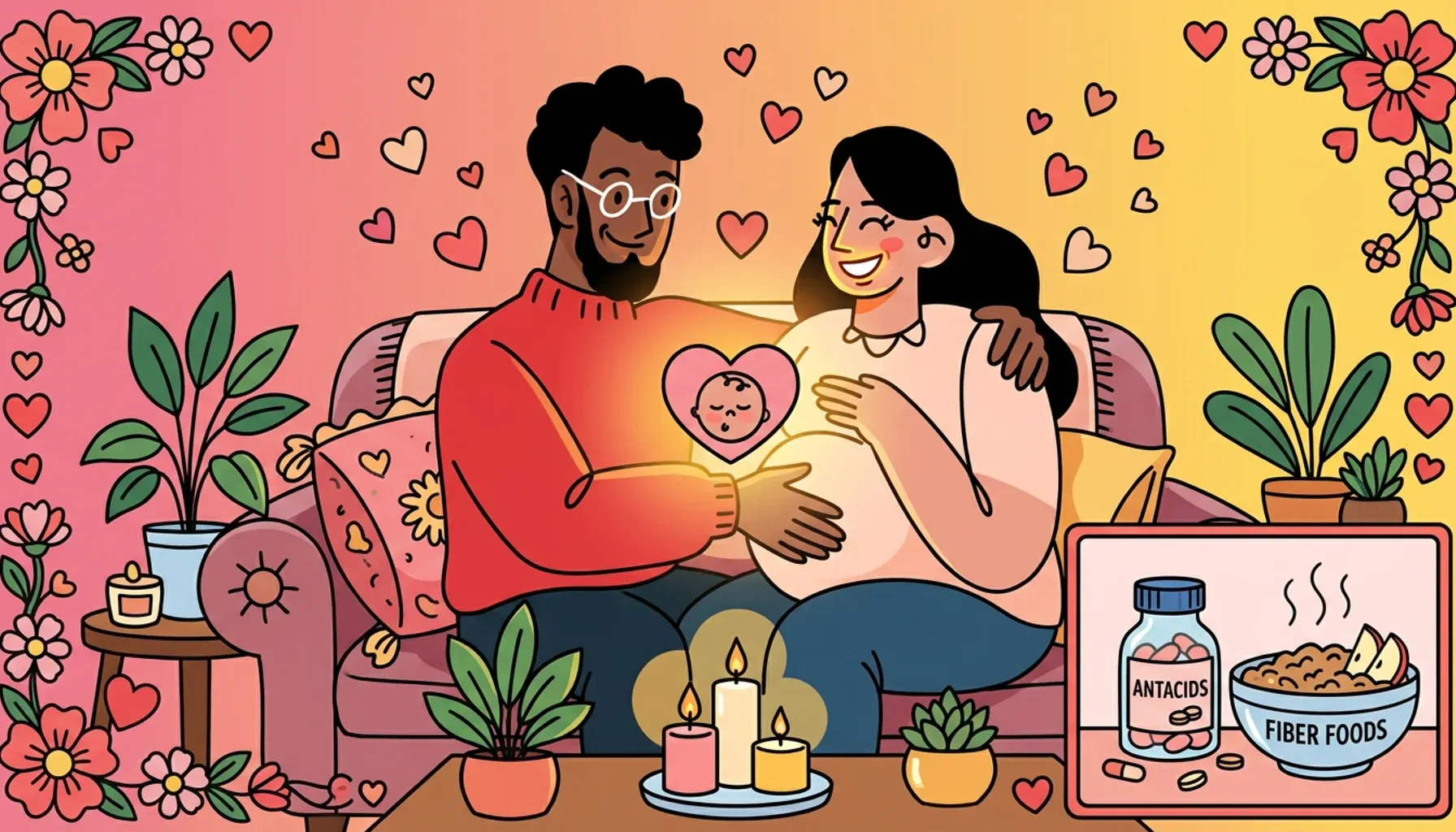

When you become parents, you may no longer be in the mood for romance. Yet, it’s important not to forget why you're together and what you mean to each other.
After baby is born, it will seem as though your baby rules the roost. There is a great temptation to put off things — including intimacy with your partner — until later. You may think to yourself: "I will think about it when I get enough sleep, get back in shape, feel more like myself”. While, of course, some things do need to be put off until later, your relationship with your partner is not one of them [1].
What should I do? Go on a date?
If you enjoy it, why not? But if you know that while you both are sitting at a table in a restaurant all your thoughts will be on baby and a casual conversation will turn into an awkward silence and worry, then it’s not necessary. No need to rush things. There are other ways to be close to each other — without breaking away from everyday life.
Like what?
Think about what you used to like most about your relationship. Perhaps you liked to discuss your day at dinner, but now you have to eat separately, because one of you has to be with the baby. Or you enjoyed long walks or cycling. Remember even the smallest details: they are important.
Of course, not everything can go back to the way things were — there’s a new family member! But a compromise can be found: for example, discuss your day together while lulling the baby to sleep, take baby on a stroller ride together, or take a quick walk to the corner coffee shop, when your parents come to visit [2].
Ask your partner what they miss and think together about how some old (or new) habits can fit into your new life together. Treat yourself and your partner to these small, pleasant moments [2].
What about sex?
Sex is certainly important for the intimacy of a couple, but the postpartum period will require adjustments. Perhaps you have no desire at all, even if the doctors gives you the okay to go for it. Your partner on the other hand may already be missing sex. This is a common situation that can lead to quarrels.
If this is your experience, think about why you don't want intimacy. Perhaps you are simply exhausted by endless tasks and need to be alone. This is normal. After giving birth mamas need time to recover, not only physically, but also mentally. It’s necessary to give yourself time to recuperate. At that point, you will feel a surge of strength and, perhaps, take a new look at your sexuality [2].
When you don’t feel like sex, explain to your partner what it is that you are feeling. If you refuse to have sex, with no explanation, he may feel rejected and abandoned. Don’t be ashamed to tell him, you are exhausted or need more time for recovery.
What if neither of us desire sex?
This is also quite a normal situation. But in this case, do not hope that one day you will both be suddenly regain a strong desire. For many people, attraction only occurs after physical stimulation. Remember what used to turn you on and try to recreate these moments [3].
Act like you’ve just started dating: Hold hands, hug, kiss. Your body has changed since you’ve given birth, it makes sense that you both need to get to know each other again [3].