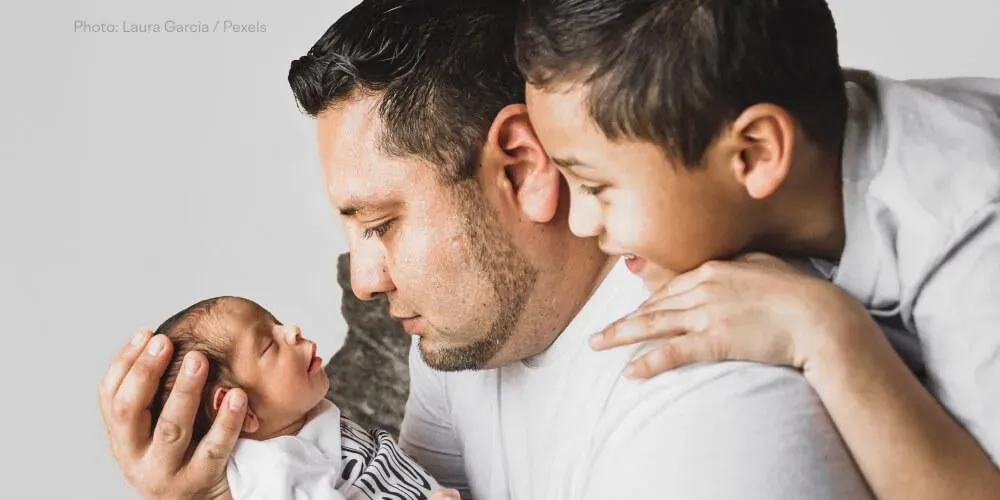

It’s pretty common for a future dad to adjust to the idea of parenthood a while after his partner. The mama-to-be may quickly adopt a parent mindset and start constantly talking about baby names, baby clothes, and future plans, while papa-to-be acts... pretty much the way he always has. Mama might begin to feel anxious; is he even in touch with what’s happening? Is he ready? It’s a common source of conflict between expectant parents.
Are men just selfish or irresponsible by nature?
No! If your partner isn’t adapting to the idea of parenthood at the same pace or in the same way that you are, it doesn’t erase his considerate nature or say anything about his feelings on parenting. Paternal feelings don’t usually crash in all at once. While many women start imagining themselves pregnant or as mothers long before this becomes their reality — think during the “trying” phase — it’s rare for men to do something like that. Women have a head start, psychologically speaking.
Most men don’t think much about pregnancy before conception. They also don’t often realize the full implications of the pregnancy until they see their partner’s belly growing, or when the baby starts to kick. In the meantime, the mama-to-be is living with the baby and much more aware of her state [1].
Why doesn’t he act like he cares?
From an emotional perspective, a papa-to-be is on a kind of “delay”. This is especially true if this is your first baby. Research shows that a father’s experience has three phases. In the first phase, he finds out about the pregnancy. In the second (called the moratorium), he digests this information, slowly understanding his new reality. The third phase, called the focusing stage, is when he has accepted this reality and is ready to engage with his child [2].
When do these phases happen?
It’s different for each individual. Some dads reach their focusing stage before childbirth, while others don’t until after the baby is born. This can confuse or frustrate a mama because she has been at the “finish line” for a long time now. It’s important not to misinterpret a difference in psychology; don’t rush to judge it as bad intentions, ego, or immaturity.
Most women can easily imagine themselves nurturing, feeding, and nursing a newborn. It’s harder for a lot of men; they can more easily imagine themselves playing with a five-year-old. Both of these mindsets show a desire to love their child. Give him the benefit of the doubt and realize your differences may mean that he processes parenthood differently than you [1].
How can I help him bond with the baby?
Know that he will develop those papa feelings sooner or later. Hands-on projects may help him absorb the reality of parenthood a little earlier. Examples are building the crib, setting up the nursery, and picking out baby clothes. Additionally, a new parent class is a wonderful resource that you can benefit from together [1].