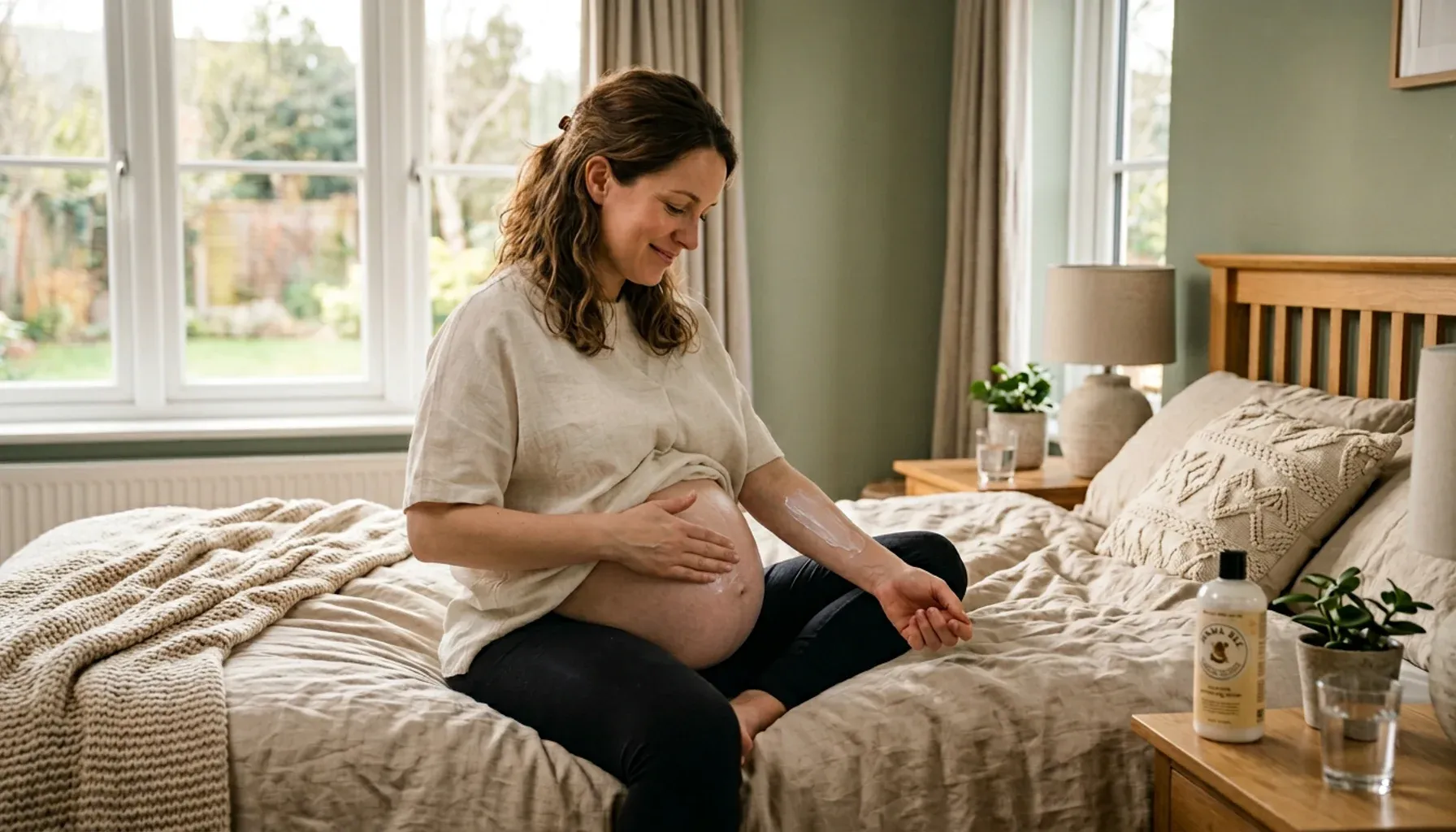

Let’s face it. Pregnancy is just kind of an uncomfortable time. Between constipation, nausea, and growing pains, there are a lot of sources of discomfort. But is it painful? Let’s take a deeper look.
During pregnancy, major changes take place in the body. To some women, changes can be painful, and yet to other women there’s no pain — it’s as if they don’t even notice they are pregnant at all.
This is due to the fact that pain is very subjective: it strongly depends on our perception. In the 1940s, American scientists created a dolorimeter, a device to measure pain: it recorded the sensations in the site where the pain occurred — i.e. the finger that got hit by a hammer. However, after 10 years of study, researchers realized the dolorimeter gave inaccurate results. It turned out that the sensation at the place where the pain was experienced does not play an important role in a painful experience. Rather, receptors in the brain where pain is processed is the bigger factor. And these parts of the brain are influenced by a large number of factors, such as a person's mood, past experience, personality traits, and the duration of pain [1].
Dolorimeters are not in use now. It is impossible to understand what a pregnant woman feels without having been in her body. Usually doctors ask women to rate pain themselves on a scale from 1 to 10. If the level is close to the maximum possible, pain relief is used [2].
But childbirth is unequivocally painful, isn’t it?
Yes, most women who give birth think it hurts [3]. But that doesn't mean another woman’s experience will be the same as yours. Each woman has unique feelings and experiences in childbirth.
Fear of pain is a feeling that is often stronger than the pain itself. It is associated with pictures that come to mind when you say "childbirth". You may remember scenes from films where women in childbirth scream and moan. But in reality, everything will be different.
What relief is possible during childbirth?
Talk to your doctor about your birth plan — if you want pain medication and what kinds. She will help you learn about your options.
There are also non-drug ways to relieve pain and anxiety of childbirth. For example, at the beginning of labor, when contractions are just beginning, a warm bath or shower helps relieve pain [4, 5]. At the stage when the baby appears from the birth canal, breathing practices, such as the Lamaze method, can be useful. These deep and rhythmic breaths in and out help you concentrate and move through the painful sensations. Breathing techniques can reduce pain and speed up labor [6]. Some women find it useful to do these breathing techniques while concentrating on some object, such as a photograph of a loved one [7].
Some women benefit from rhythmic swinging on a fitness ball [8], others find it easier to be in a squatting position [9]. Massage [10], music [11, 12], aromatherapy [13, 14, 15] and acupuncture [16] can help a mother relax during childbirth.
What other things cause pain during pregnancy?
Expectant mothers sometimes have enlarged breasts that become very sensitive, especially in the nipple area [17]. In addition, back pain is a common complaint, which usually worsens closer to childbirth. The discomfort is associated with the fact that hormones relax muscles, ligaments and joints, especially in the pelvic area [18].
The baby's kicks [19] and itching from stretch marks [20] can also be unpleasant.
How can I survive all this?
Try to think of pain as a wise and protective mechanism in the body. In most cases, it forces us to pay attention to the part of the body that hurts, and not to miss something important.
If your doctor tells you that pain is not out of the ordinary, try to shift your focus. Go about your normal tasks, take a walk, and do light stretching exercises [21].
Pain is a subjective feeling, often associated not with the sensations themselves but with the accompanying anxiety and fear. In this case, mindfulness techniques, yoga and meditation help.