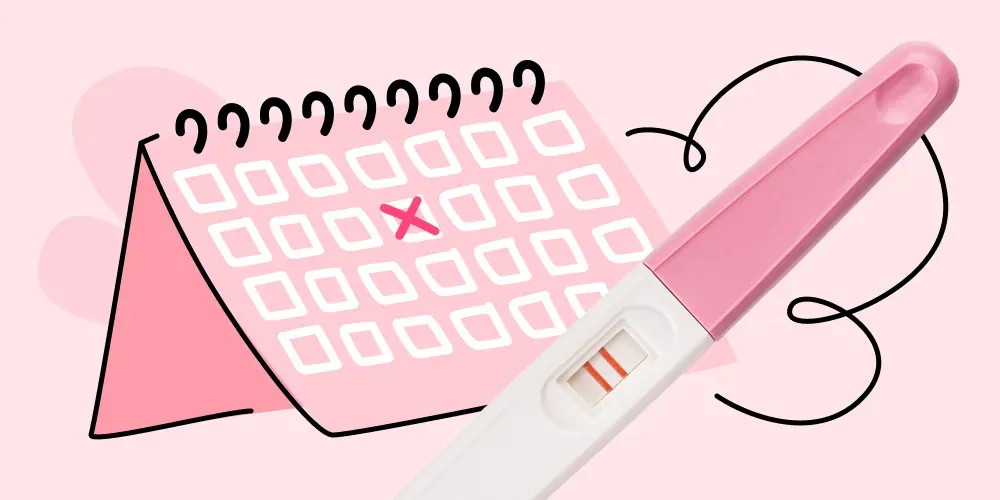

Planning for pregnancy can be a bit of an emotional roller coaster. You may spend the first half in anticipation, and the second may bring feelings of anxiety. How can you keep your head clear when the only thing you can do is wait to see if you conceived?
"Waiting for a pregnancy test is terrible. It's like reading a fascinating novel, having it snatched away in the most interesting part and being told you have to wait 11 days to find out how it ends" writes psychologist Gene Twenge, author of the bestseller “The Impatient Woman's Guide to Getting Pregnant” [1]. In the book, Twenge also offers suggestions on how not to go crazy during the two weeks you have to wait to have a pregnancy test after having intercourse during your estimated ovulation days. Here’s a summary of her tips and a few medical facts.
Take a break because there is not much more you can do. Keep yourself busy by tidying up your closet, watching movies, starting a good book, or spending time with friends. Stop yourself whenever you want to Google the first symptoms of pregnancy or the HCG growth chart. You’ll end up spending too much time on that, so it's better not to start.
Don’t “listen” to your body. “My breasts hurt. I must be pregnant.” “I felt a strange twitch on my side. I must be pregnant.” “I can’t stand the smell of the kitchen. I must be pregnant.” The truth is that many of the early signs of pregnancy can coincide with those of PMS [2]. So don’t try to guess, just be patient and wait for the right day to take a pregnancy test.
Don’t take the test too early in your cycle. In theory, some tests can confirm conception a few days before your expected monthly period. But you will likely need to know your exact date of ovulation and do the test with your first-morning urine. Something else to consider is that the embryo may take up to ten days to attach to the uterine wall after ovulation [4], delaying the production of the HCG hormone and giving you an inaccurate test result. You may also get a false positive result, which happens in cases of biochemical pregnancy when a fertilized egg tries to attach to the uterine wall unsuccessfully. You may see two stripes on the test, only to have your period come a few days later [5].
Designate specific times to think about the possible pregnancy. Set aside 10 minutes to experience your feelings; you can talk to a friend or partner or write down your thoughts in a diary in a “stream of consciousness”. As soon as the allotted time expires, stop.
Control your thoughts. Even if you find yourself having negative thoughts, you have the power to turn them around. For example:
“I can't get pregnant” →“I'm doing my best to conceive.”
“What if I never become a mom?” → “I'm going to have a baby. I do not know when or how, but it will happen.”
6. Find a support group. Spend some time with your mother, sister, or a close friend, anyone close to you that you find easy to talk to; just be aware that you may receive some over-simplistic advice (like “just relax”). You can also find support and understanding among other women who are trying to conceive in forums, chat rooms, and other groups.
If your anxiety and stress levels are high, the best way to work through them is in a group setting with a psychologist. This has been proven helpful, especially among women who have already had difficulties conceiving [6]. If you just started trying but find the process daunting, consider talking to a specialist.