EN
try amma today
How to overcome fears about the baby
Getting Pregnant

How to overcome fears about the baby

2 min readWeek 12
Key takeaways
2 min
  • Recognize that pregnancy fears about baby's health are completely normal, especially during the second trimester when prenatal tests screen for chromosomal abnormalities.
  • Seek active partner support throughout pregnancy, as studies show this significantly reduces anxiety and depressive symptoms from pregnancy through postpartum.
  • Remember that statistics are overwhelmingly in your favor - the vast majority of babies are born healthy despite natural parental worries.
  • Manage test-related anxiety by keeping prenatal screenings in perspective with support from loved ones and healthcare providers.
  • Address pregnancy stress early since it can affect daily life through irritability and sleep problems that impact overall pregnancy health.

To overcome baby fears during pregnancy, build strong partner support, remember that most babies are born healthy, and keep prenatal test anxiety in perspective. Normal pregnancy worries can be managed through communication with loved ones and healthcare providers for optimal maternal mental health.

amma app

Track your pregnancy in the app

Personalized content for your pregnancy week

Download App

How to overcome fears about the baby

Right about now, the honeymoon phase of pregnancy is on the horizon. Morning sickness (or toxicosis) is tapering down and your partner will likely feel a resurgence in strength and energy.  

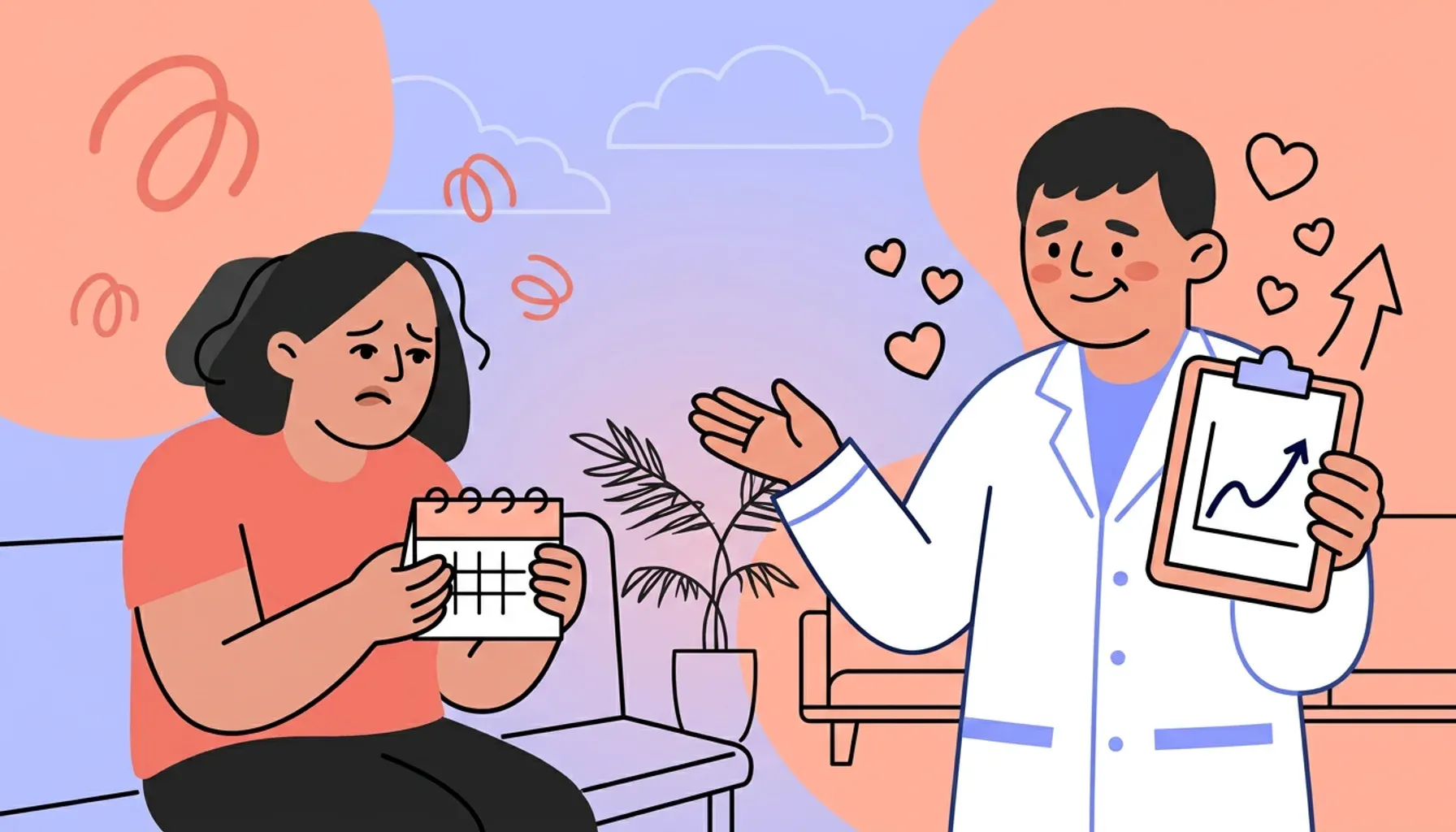
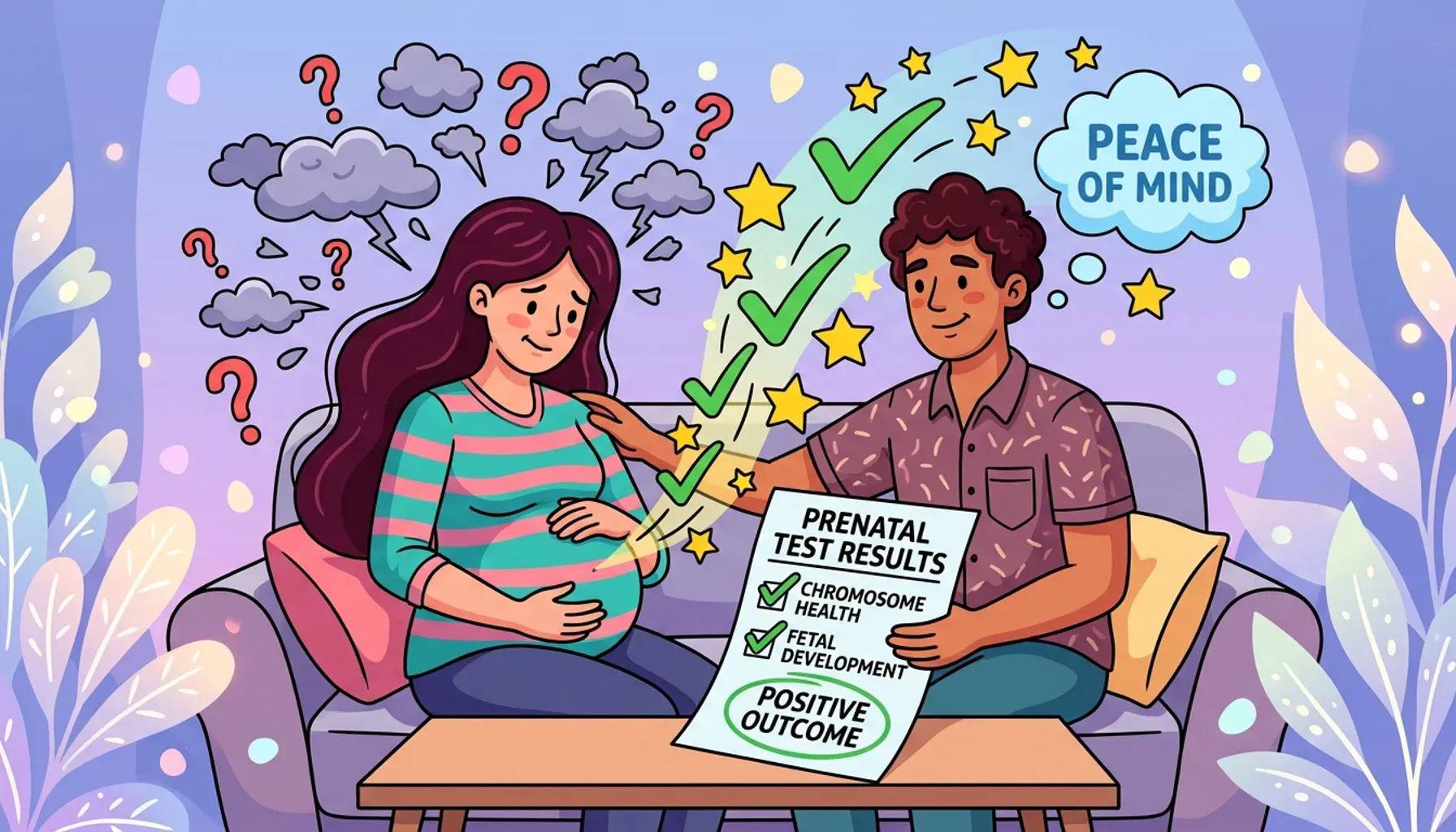
However, many pregnant women start to feel a different kind of anxiety at this time. New tests will be due soon, and since they mostly screen for chromosomal abnormalities and birth defects, future parents can be understandably worried [1]. Any prenatal diagnostic procedure can cause emotional stress in a pregnant woman [2], and that can translate to all sorts of things in daily life, such as becoming irritable or not sleeping well.

As pregnancy becomes more of a shared experience, the male partner is more actively involved [2]. Studies have found that women reporting effective prenatal partner support have lower anxiety in mid-pregnancy and reduced anxiety and depressive symptoms from pregnancy to the postpartum period [3].

It’s quite common for parents-to-be to worry about their baby’s risk of having a congenital abnormality, and every prenatal test or ultrasound can be a source of stress. But the chances of your baby being born healthy are overwhelmingly in your favor [4].

While fear and nervousness regarding your baby’s health are normal, support from a partner and loved ones can make a huge difference when it comes to keeping things in perspective. So keep supporting your partner, because being great parents is also well within your capabilities. 


Frequently asked questions

Common pregnancy fears include worrying about birth defects, chromosomal abnormalities, and baby's overall health, especially around prenatal testing time. These anxieties typically peak during the second trimester when major screenings occur.

Research shows that effective prenatal partner support significantly reduces anxiety in mid-pregnancy and decreases depressive symptoms through postpartum. Active partner involvement helps keep pregnancy fears in perspective and promotes better emotional health.

Pregnancy fears often intensify after the first trimester when morning sickness subsides but prenatal tests begin. This period coincides with increased partner involvement and upcoming screenings for potential complications.

Yes, pregnancy fears are completely normal and experienced by most expectant parents. Worrying about baby's health, especially before prenatal tests, is a natural response that doesn't indicate problems with your pregnancy.

Reduce pregnancy anxiety by building a strong support system, communicating openly with your partner, and remembering that most babies are born healthy. Professional counseling can also help manage persistent fears affecting daily life.

Medical Disclaimer

This article is for informational purposes only and is not a substitute for professional medical advice, diagnosis, or treatment. Always seek the advice of your physician or qualified health provider with any questions you may have regarding a medical condition.

Meet our medical experts

Medically reviewed content

Reviewed by healthcare professionals · Updated August 15, 2025

Track your pregnancy on the go

Rated 4.8417,594 reviews