EN
try amma today
He's smiling!
Pregnancy

He's smiling!

2 min readWeek 7
Key takeaways
2 min
  • Expect your baby's first smiles around 6 weeks old, though these early smiles are muscle practice rather than conscious communication.
  • Continue engaging with facial expressions and cooing, as every interaction helps your baby learn and develop social skills.
  • Watch for new abilities like improved eye focus, head turning to follow movements, and increased hand exploration.
  • Prepare for peak crying and colic around 6 weeks, knowing that this challenging phase gradually improves afterward.
  • Celebrate this milestone period as your baby transitions from reflexive responses to more intentional interactions.

Babies begin smiling around 6 weeks old. These early smiles are muscle practice and imitation rather than conscious communication, but they mark important developmental progress as babies learn facial expressions and social interaction skills.

amma app

Track your pregnancy in the app

Personalized content for your pregnancy week

Download App

He's smiling!

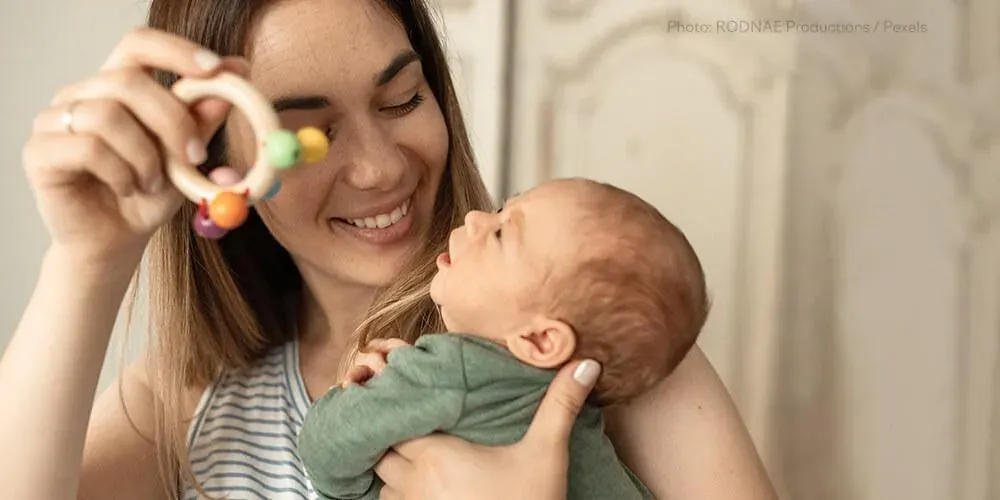
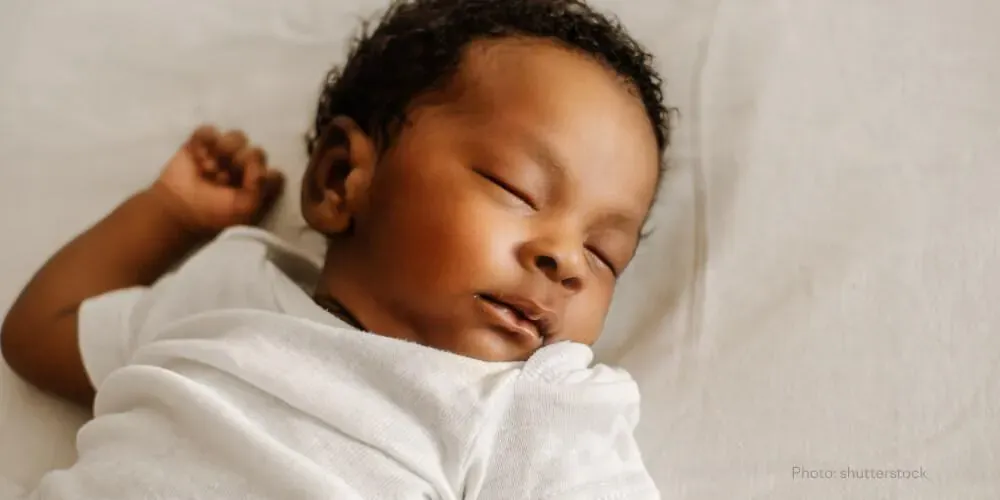
At six weeks, more or less, babies begin to smile. And in general, they start practicing diverse facial expressions.

Long-term studies have shown that these early smiles are not conscious expressions yet [1]. Your son is simply working on new muscles and imitating your facial expressions. As he develops he will use these skills to express emotion and communicate with you — usually around six months.

Even though his smiles may not be conscious attempts at communicating, it doesn’t mean you should stop smiling, winking and cooing at him. With every interaction with his parents, he is taking in information and learning more about what it means to be human.

At six weeks, he’s able to focus his eyes, turn his head to follow mama’s movements. He also has a new object of interest to study — his hands! He will hold them up to his face to get a better look, and put them in his mouth to evaluate the taste. This is an important stage in development and it can be calming too!

Your baby may also be crying — a lot. Perhaps even more than usual. Hold on! Statistics show colic reaches a peak at about six weeks and then starts a gradual decline [2].
  1. Comprehensive Longitudinal Study Challenges the Existence of Neonatal Imitation in Humans. Janine Oostenbroek, Thomas Suddendorf, et al. Current Biology, 2016.
  2. Infantile colic: Clinical features and diagnosis. Teri Lee Turner, Shea Palamountain. UpToDate, 2021.
Frequently asked questions

Babies typically begin smiling around 6 weeks of age. These early smiles are not conscious expressions but rather muscle practice and imitation of parents' facial expressions.

At 6 weeks, baby smiles are real muscle movements but not yet conscious communication attempts. Studies show babies are practicing facial expressions and imitating parents rather than expressing emotions intentionally.

At 6 weeks, babies can focus their eyes better, turn their heads to follow movement, and show increased interest in their hands. They may also experience peak colic symptoms during this time.

Crying typically peaks around 6 weeks due to colic, which affects many babies. This is normal and statistics show colic begins to gradually decline after the 6-week mark.

Yes, continue talking, smiling, and interacting with your baby. Every interaction provides valuable learning opportunities and helps them understand human communication and emotions.

Medical Disclaimer

This article is for informational purposes only and is not a substitute for professional medical advice, diagnosis, or treatment. Always seek the advice of your physician or qualified health provider with any questions you may have regarding a medical condition.

Meet our medical experts

Medically reviewed content

Reviewed by healthcare professionals · Updated September 5, 2024

Track your pregnancy on the go

Rated 4.8417,594 reviews