
Family life will change beyond recognition when you come home from the hospital with two babies. If you have an older child, it’s important to prepare them for the new family order.
If at the time of the birth of your twins, your older child is not yet 2 years old, they will more than likely get used to their younger siblings with not much difficulty. Children at this age are highly adaptable [1].
With children 2-3 years old, things can be a little more complicated. At this age, children can be willful, which is part of the natural process of mental development. With the arrival of new family members, such behavior can become aggravated. A child may throw tantrums or suddenly "forget" how to use the potty. All of this is normal, in times of stress, small children often regress to behaving like babies. This applies to both preschoolers and toddlers [1].
How to prepare your child for the new arrivals?
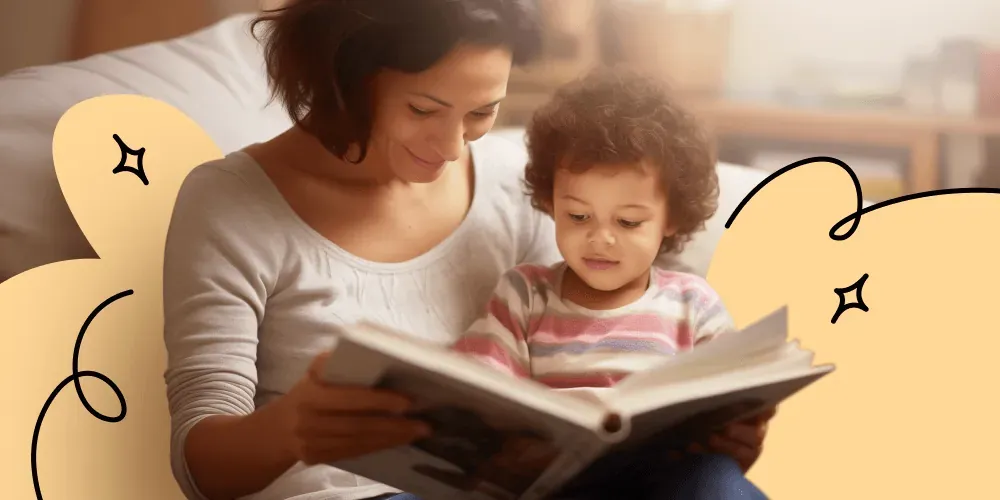
Have the first conversation when your belly becomes noticeable. Babies can be shown pictures from books or the Internet that illustrate how babies grow in the womb and how they come into the world. Buy your baby dolls or other toys they can play with, so they can pretend to take care of a baby. This will help bring them closer to their new siblings even before they arrive [1].
That said, be prepared for your child not to understand how life will work after the twins are born. Make sure to explain to them that when the twins first get home, they won’t be able to play together just yet. Tell your older child not to be scared if the twins cry a lot, and make sure to talk and play with your child frequently, trying to involve them in some way when you are feeding or changing the twins [1].
With children 7-12 years old, make space for conversations about their new siblings, they are likely to ask a lot of questions anyway! Speak specifically, without generalizations or metaphors, children at this age don’t fully grasp them [2]. Touch on everyday topics, such as the chores they will now have to do on their own as they become a big brother or sister. Make sure to tell them that their help will come with some nice perks, such as going on walks, getting a new toy, or going to the movies [3].
A new addition to the family is an exciting event for a child. Therefore, right after the birth of the twins, try to be very gentle and considerate with your older child. There is no need to change their usual daily routine or do something radical like moving them to another room. Changes such as these can create additional stress. If the move is necessary, make sure to do it during pregnancy, and try to make it fun and exciting for them [1].
What if my older child is still jealous?
This is not rare. A good thing to do is for you and your partner to spend some alone time with your older child, with no twins in the sight. For example, Dad can take them for ice cream or to the park while you look after the babies. Or the other way around.
Your older child needs to know that you still love them as much as ever and that they’re special. You'll probably feel like you don't have time for this, but it's all a matter of planning. Try to make space for an outing or special activity with your older child at least once a week [1].
Photo: Ketut Subiyanto / Pexels